
What Happens at an NCAT Building Dispute Hearing?
A residential building dispute can arrive in many forms: unfinished work, visible defects, arguments over payment, or damage that appears long after the build is complete. The most common building disputes involve defective work, incomplete work, and disagreements about payment. When these issues cannot be resolved privately, many parties in New South Wales end up at the NSW Civil and Administrative Tribunal, better known as NCAT. Knowing what happens at an NCAT building dispute hearing can make a significant difference to how prepared you feel. Under the Home Building Act 1989, NCAT can resolve disputes about residential building work in NSW, so understanding the process from referral through to hearing is the first step.
What Is NCAT?
NCAT is the NSW Civil and Administrative Tribunal, a body that hears a range of administrative and civil matters across New South Wales. It is headed by a Judge of the Supreme Court of NSW. The tribunal provides specialist services to help you resolve an issue or dispute fairly and according to law. For building matters, home building cases are managed through NCAT’s Consumer and Commercial Division. That division deals with disputes about residential building work, which is why most building claims end up there. Because NCAT handles a large volume of these cases, the tribunal follows a structured process from the initial application through to the hearing.
The Three Steps That Lead to a Hearing
For most home building disputes in NSW, the path to a hearing follows a set sequence. NCAT will not accept an application before the matter has been referred to NSW Fair Trading, so the referral stage is an important barrier to clear first. The general process can be summarised in three steps:
- Contact NSW Fair Trading
- Apply to NCAT
- Take part in the dispute resolution process
Step 1: Contact NSW Fair Trading
Before NCAT will consider a home building application, you must first take part in NSW Fair Trading’s dispute resolution process. This process may involve referral to a building inspector or direct referral to NCAT, depending on the circumstances of the claim. Some disputes are exempt from the dispute resolution process with NSW Fair Trading. In those cases, the applicant may be able to proceed to NCAT without completing that stage. Because the rules can depend on the type of claim and the amount in dispute, it is sensible to confirm whether your matter is exempt before you start.
Step 2: Apply to NCAT
Once the NSW Fair Trading requirement has been addressed, the next step is to apply to NCAT. You can apply online or download a PDF form to lodge your application. At this stage, it helps to give the tribunal a clear picture of the dispute, including the details of the residential building work and the outcome you are seeking. After the application is lodged, the matter is managed through the Consumer and Commercial Division.
Step 3: Take Part in the Dispute Resolution Process
Once your application is lodged, the dispute resolution process begins. This stage gives the parties an opportunity to resolve the dispute before it moves to a formal hearing. For home building claims under $30,000, NCAT sets out specific procedures for this stage, and the process may involve referral to a building inspector or a direct referral to NCAT. If no resolution is reached, the matter progresses towards the hearing, where the tribunal will make the final decision.

How Much Can NCAT Hear?
NCAT hears claims up to $500,000 for residential building disputes. That means the tribunal has jurisdiction over the large majority of home building matters in New South Wales. In some circumstances, claims exceeding this amount may be handled by the tribunal as well. If your claim is close to or above the limit, it is worth confirming how the jurisdictional rules apply before lodging an application.
NCAT has also published specific information about home building claims under $30,000. For these smaller claims, the tribunal sets out its procedures clearly, and the dispute resolution process may involve referral to a building inspector or direct referral to NCAT. Some disputes are exempt from the Fair Trading dispute resolution process altogether, which can change the path the matter takes.
The Hearing: What to Expect
The hearing is the point where the tribunal considers the evidence and decides the outcome of the dispute. NCAT’s role is to resolve the issue or dispute fairly and according to law. If the dispute is not resolved during earlier stages, the hearing becomes the forum where the tribunal makes its decision. During the hearing, both parties have the opportunity to present their case, and the tribunal considers the material before it, including any expert evidence. In building disputes, that evidence often centres on the quality of the building work, whether the work was actually completed, and what should be paid.
How the Tribunal Considers the Dispute
The members who hear home building cases are part of a tribunal that provides specialist services for exactly this type of dispute. They assess the evidence and submissions from both sides before deciding whether to make orders. The material presented at a hearing can include contracts, photographs, inspection reports and expert evidence. The tribunal weighs this material and determines what orders, if any, should be made. The outcome is not limited to a simple payment order. Depending on the evidence, the tribunal may address defective work, incomplete work, the supply of specialised services, or damage caused by building work.
The Role of Expert Evidence in Building Disputes
Building disputes often turn on technical questions. Is the cracking structural or cosmetic? Was the waterproofing installed correctly? Is the work compliant with the relevant standards? These are the kinds of issues that expert evidence can help clarify. An independent report prepared by an experienced building consultant can assist the tribunal in understanding the nature of the defects and the work required to fix them. Expert evidence is frequently a central part of a building dispute hearing, which is why the quality of that evidence matters.

Orders NCAT Can Make After a Hearing
After considering the evidence, NCAT can make orders in home building cases covering a range of outcomes:
- Payment for home building work or services
- Orders relating to incomplete or defective home building work
- Supply of specialised work, such as electrical, plumbing, gasfitting or air conditioning
- Damage caused to other structures by home building work
- Insurance claim appeals
These orders show how broad the tribunal’s powers are in a building dispute. A hearing can result in an order for payment, a direction about the standard of the work, or both. For the parties involved, knowing what NCAT can actually order is one of the most useful ways to prepare for the hearing itself.
The range of orders reflects the reality of building disputes. Some cases are about money, such as a builder seeking payment for work completed or a homeowner seeking compensation for defects. Others are about the work itself, such as incomplete work that needs to be finished or defective work that needs to be rectified. There are also cases involving insurance claims, where the tribunal hears appeals about decisions made on building insurance.
Preparing for Your NCAT Building Dispute Hearing
Preparation is the key to a strong case. Independent reports prepared by experienced building consultants can set out the issues in a clear and structured way, which helps the tribunal understand the dispute. Tools such as a Scott Schedule are commonly used in building disputes to present the issues in an organised format. Setting out your evidence clearly before the hearing gives you the best chance of a fair outcome, for homeowners and builders alike.
Beyond technical reports, there are simple steps that strengthen a case. Organise the documents that relate to the dispute so they can be presented clearly, and think through what outcome you are seeking and why. A well-prepared case is easier for the tribunal to follow, and it gives you the best chance of a fair result.
Building dispute hearings can feel confronting, but the process becomes far more manageable when you understand the steps that lead there and the orders the tribunal can make. From the initial referral to NSW Fair Trading through to the hearing itself, each stage is designed to move the dispute towards a decision that is fair and according to law.
Frequently Asked Questions
Here are the answers to some common questions about the NCAT building dispute process.
Do I have to contact NSW Fair Trading before I can apply to NCAT?
Yes. NCAT will not accept a home building application before the matter has been referred to NSW Fair Trading. The Fair Trading dispute resolution process may involve referral to a building inspector or direct referral to NCAT. Some disputes are exempt from this requirement, so it is worth checking whether your particular matter falls into an exempt category before you start the application process.
What is the maximum amount NCAT can hear for a building dispute?
NCAT hears residential building claims up to $500,000. In some circumstances, claims exceeding this amount may be handled by the tribunal as well. If your claim is near or above the limit, it is sensible to confirm how the jurisdictional rules apply to your situation before lodging an application.
What orders can NCAT make after a building dispute hearing?
NCAT can make orders for payment for home building work or services, orders relating to incomplete or defective home building work, and orders for the supply of specialised work such as electrical, plumbing, gasfitting or air conditioning services. The tribunal can also deal with damage caused to other structures by home building work and hear insurance claim appeals.
How do I apply to NCAT for a building dispute?
You can apply to NCAT online or by downloading a PDF application form. Before the tribunal will accept your application, the matter must generally be referred to NSW Fair Trading and the dispute resolution process must be undertaken. Some disputes are exempt from this requirement. Once your application is lodged, it is managed through the Consumer and Commercial Division.

Related Posts
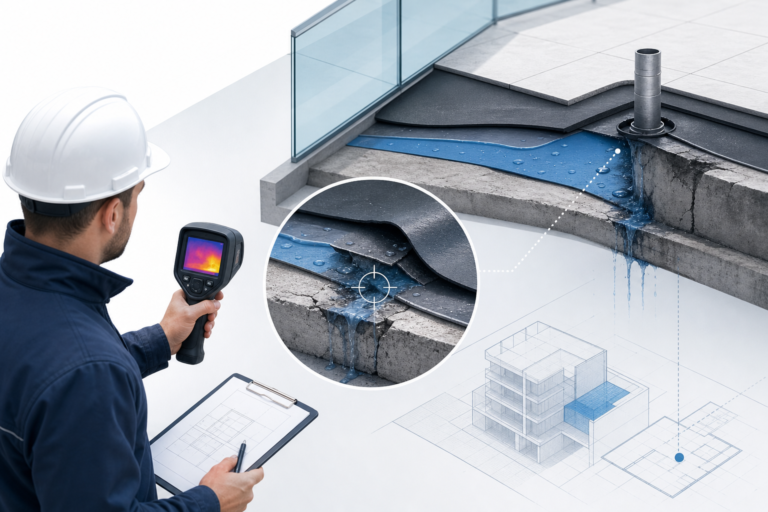
Waterproof Membrane Failure: How Inspectors Find the Cause
Waterproof membrane failure is diagnosed by tracing the water entry point, reviewing design documents, exposing the membrane for visual inspection,
Read More »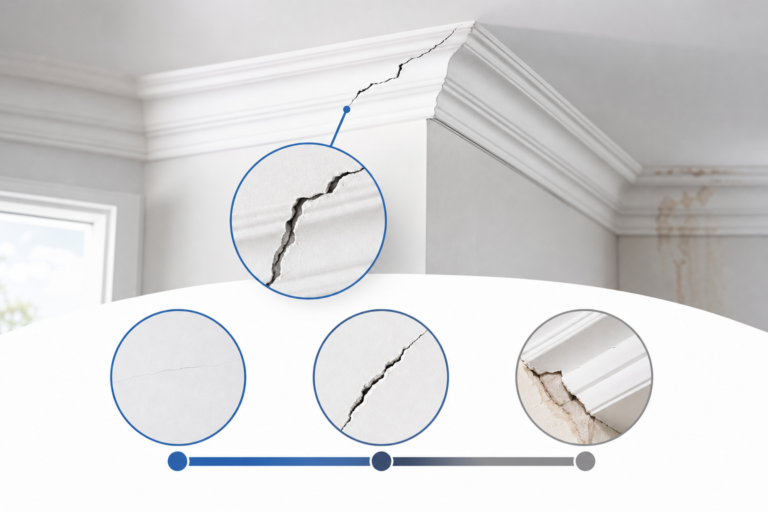
Cornice Cracking: How to Tell If the Damage Is Serious
Cornice cracking is one of the most common concerns Australian homeowners raise, and the hard part is not spotting the
Read More »
Digital Construction Consultant Australia: What They Do
A digital construction consultant in Australia manages the technology-driven side of building projects: BIM coordination, clash detection, asset data handover,
Read More »