
When a Quantum Expert Is Needed in Building Matters
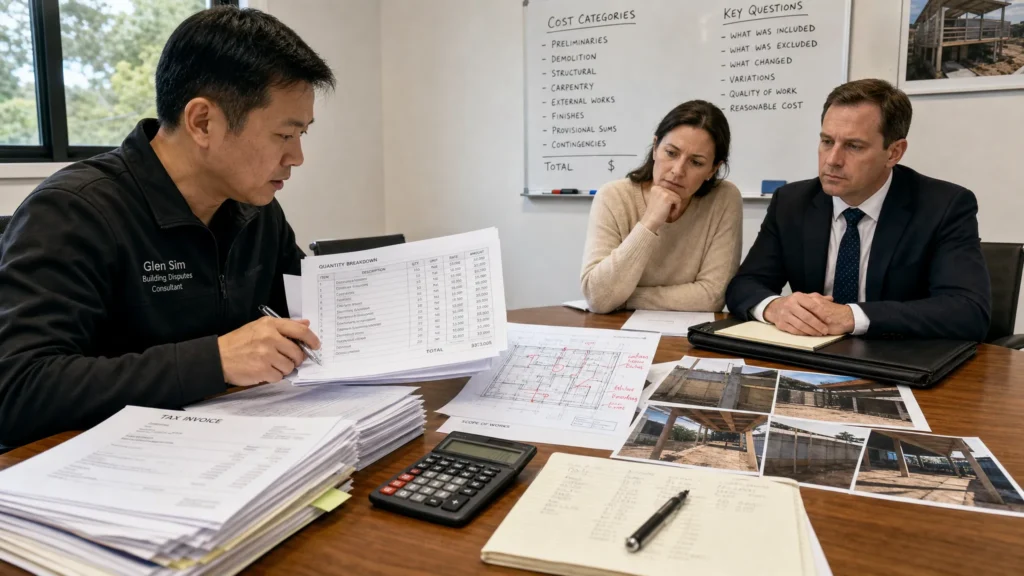
When a building matter reaches the point where payment, rectification cost or value of work is contested, the dispute is no longer purely technical. It becomes a question of quantum: how much is fairly payable, recoverable, or deducted.
A quantum expert helps translate building facts into a reasoned monetary assessment. For homeowners, that may mean proving the reasonable cost to fix defective or incomplete work. For builders, it may mean substantiating unpaid variations, responding to inflated rectification claims, or valuing work performed where the contract position is unclear. For solicitors, it can provide the independent evidence needed to plead, negotiate or present the claim properly.
In NSW building disputes, particularly NCAT and court matters, weak numbers can undermine an otherwise strong case. A quote, invoice or spreadsheet may be useful, but it is not always enough. The decision-maker usually needs to understand what the work is, why the cost is reasonable, and how the figure has been calculated.
Glen Sim, owner and director of Awesim Building Consultants, regularly sees matters where the parties understand the problem on site but have not properly evidenced the dollar value attached to it. That gap is exactly where a quantum expert can be critical.
What a quantum expert does in building matters
In building matters, quantum means the amount in dispute. A quantum expert provides an independent opinion on the value of building work, defective work, incomplete work, variations, rectification costs, or reasonable remuneration for work performed.
The role is not to decide who is legally right. That is for the tribunal, court, adjudicator, or the parties with legal advice. The expert’s role is to analyse the building information, apply a clear methodology, and explain the cost opinion in a way that can be tested.
Depending on the matter, a quantum expert may consider:
- The reasonable cost to rectify defective building work
- The value of incomplete or omitted work
- The value of variations or alleged extra work
- Whether claimed costs align with the scope and evidence
- The reasonable value of work for a quantum meruit claim
- The amounts to be inserted into a Scott Schedule
- The difference between contract price, paid amounts and remaining value
A strong quantum opinion usually sits alongside technical defect evidence. If the dispute is also about causation, standards of workmanship, or hidden building problems, the quantum opinion must be grounded in a reliable technical assessment. For broader context, Awesim explains how expert witness evidence helps in construction disputes by clarifying defects, scope, causation and rectification issues.
The clearest signs you need a quantum expert
A quantum expert is not required for every disagreement. If the amount is small, the parties agree on scope, and the costing is simple, a practical quote may be enough. But once the numbers are contested, the risk of relying on informal calculations increases.
| Situation in dispute | Why a quantum expert may be needed | Common output |
|---|---|---|
| Defective work requires rectification | The parties dispute the reasonable cost, scope, or necessity of repairs | Rectification cost assessment or expert report |
| Work is incomplete after termination | The remaining value and cost to complete need to be separated from amounts already paid | Incomplete works valuation |
| Variations are claimed | The dispute may turn on whether the work was extra, what it involved, and what it is worth | Variation assessment |
| A Scott Schedule is required | Each item needs a clear description, response and cost position | Scott Schedule input or supporting report |
| Quantum meruit is alleged | The reasonable value of work may need to be assessed independently | Quantum meruit report |
| Settlement negotiations have stalled | The parties may be negotiating from unsupported or inflated figures | Independent cost opinion |
The more complex the claim, the more important it is for the costing to be traceable. A decision-maker should be able to follow the path from allegation, to evidence, to scope, to cost.
Why timing matters in NSW building disputes
The best time to involve a quantum expert is usually before the monetary claim is locked in, not after it has already been pleaded, defended or scheduled poorly. Once a claim is framed around the wrong numbers, it can be harder and more expensive to correct.
Early quantum input can help identify whether the amount being claimed is realistic, whether additional documents are needed, and whether the dispute is really about price, scope, liability, quality, or all four. It can also assist with settlement discussions because both parties can see the strengths and weaknesses of the figures before a hearing.
For solicitors, early expert involvement can help align the evidence with the legal issues. For owners and builders, it can prevent the common mistake of treating the highest quote or largest invoice as proof of loss.
There is also a practical procedural point. NSW building disputes often involve strict steps, timetables and filing requirements. If a solicitor is needed, it is better to obtain legal advice before deadlines become urgent. Awesim has also outlined when parties should brief a construction dispute solicitor where legal issues, notices, claims or tribunal steps are already in play.
A quote is not the same as quantum evidence
One of the most common mistakes in building disputes is assuming that a quote automatically proves the amount of a claim. Quotes can be helpful, but they are usually prepared for commercial purposes. They may not explain assumptions, include sufficient detail, separate disputed from undisputed items, or address whether the proposed work is the reasonable method of rectification.
A quantum expert looks behind the number. The assessment may involve reviewing the contract, drawings, specifications, invoices, site photographs, inspection findings, correspondence, variation records and other reports. Where appropriate, the expert may also consider whether the proposed scope is consistent with the defect identified, whether access costs are justified, and whether the costing contains duplication.
In court matters, expert evidence must be independent. The NSW Expert Witness Code of Conduct reflects the principle that an expert’s paramount duty is to assist the court, not to act as an advocate for a party. Even when a matter is in NCAT, the same practical expectation applies: the opinion must be impartial, reasoned and based on the evidence.
Quantum expert, defect expert and solicitor: how the roles differ
Building matters often require more than one type of support. Confusion arises when parties expect one person to do everything. A quantum expert may be able to assess cost, but the legal basis of the claim remains a legal question. Likewise, a solicitor may frame the claim, but they usually rely on expert evidence to prove technical or costing issues.
| Role | Main focus | What they do not usually decide |
|---|---|---|
| Quantum expert | Monetary value of work, rectification, variations or reasonable remuneration | Final legal entitlement |
| Defect expert or building consultant | Technical condition, workmanship, causation and rectification scope | Legal liability or damages award |
| Solicitor | Legal strategy, pleadings, advice, negotiation and hearing preparation | Technical building opinions unless supported by expert evidence |
In some matters, a building consultant can assist with both technical assessment and cost-related evidence, provided the expert has the appropriate expertise and the report clearly explains its basis. Awesim’s dispute services include expert witness reports, Scott Schedules and quantum meruit reports, all of which can form part of the evidence needed to move a building matter forward.
Common building matters where quantum evidence becomes critical
Defective residential building work
Defect disputes often start with cracks, leaks, waterproofing failures, structural concerns, poor finishes or non-compliant work. But once the defect is identified, the next question is usually cost. What work is actually required to fix it? Is the proposed rectification excessive? Does the claim include betterment, unrelated upgrades or duplicated items?
A quantum expert can connect the defect opinion to a reasonable cost. This is especially important where one party produces a very high rectification quote and the other says the issue can be fixed for far less.
Incomplete work and termination disputes
When a contract ends before completion, both sides may have competing claims. A homeowner may say they paid too much for work that was never completed. A builder may say they are owed for work performed before termination. The financial position can be difficult to understand without breaking down the contract sum, paid amounts, completed work, incomplete work, defects and variations.
A quantum assessment helps separate these categories so the dispute does not become a single confused argument about who owes what.
Variation claims
Variations are a frequent source of building disputes. The disagreement may involve whether the variation was requested, whether it was included in the original scope, whether it was approved, and what it is worth.
A quantum expert does not decide the legal validity of the variation unless asked to make assumptions provided by the solicitor. Instead, the expert can assess the value of the work based on the evidence and make clear what assumptions have been applied.
Scott Schedules
A Scott Schedule is often used to organise disputed building items. It can list each alleged defect or disputed item, the applicant’s position, the respondent’s position, the claimed amount, and the expert’s opinion. The schedule is only useful if the entries are accurate, properly described and costed.
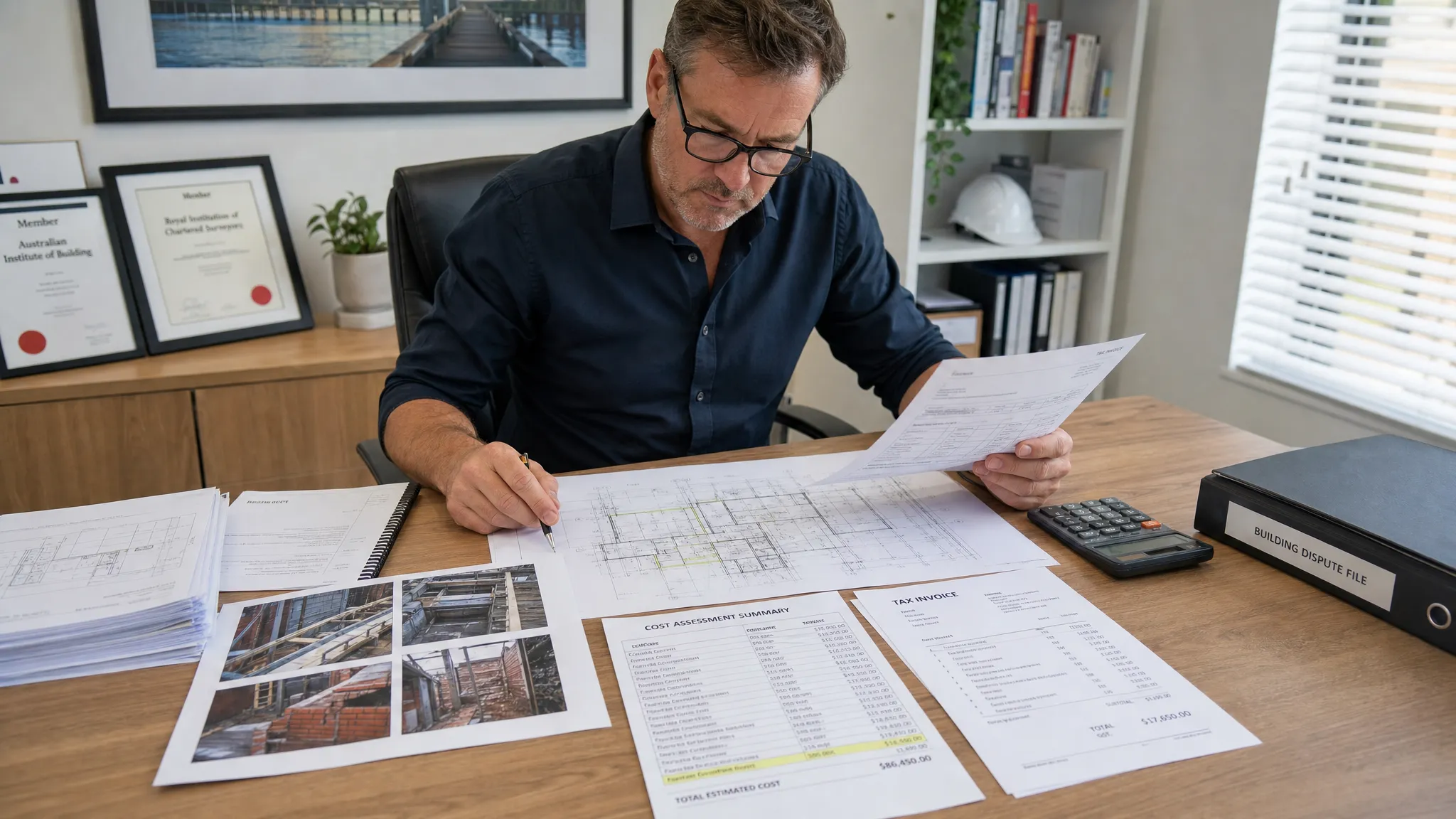
A quantum expert can help ensure the schedule is not just a list of complaints and numbers. The better approach is to connect each item to evidence, scope and a reasoned monetary figure. Awesim’s overview of building consultant services that help resolve disputes explains how Scott Schedules and reports can work together in dispute resolution.
Quantum meruit claims
Quantum meruit means a claim for the reasonable value of work performed. In building matters, it may arise where the contract does not neatly determine the amount payable, or where the legal circumstances require the value of work to be assessed independently.
This is an area where legal advice is essential because entitlement to claim on a quantum meruit basis can be complex. The quantum expert’s task is different: if instructed on the legal assumptions, the expert assesses the reasonable value of the work performed and explains the basis of that valuation.
What different parties gain from quantum evidence
For homeowners, a quantum expert can bring discipline to a claim. Instead of relying on frustration, broad estimates or a builder’s quote that may be challenged, the homeowner can present a structured position on what it should reasonably cost to fix or complete the work.
For builders, quantum evidence can be equally important. It may help respond to inflated defect claims, support unpaid variation claims, or show the value of work performed before a dispute escalated. Builders can also use independent costing to identify which parts of a claim are genuinely in dispute and which parts may be capable of settlement.
For solicitors, quantum evidence helps convert instructions into admissible, persuasive material. It can narrow the issues, improve pleadings, support settlement offers and prepare a matter for hearing. It can also expose weaknesses early, which is often far better than discovering them under cross-examination or during a contested hearing.
Glen Sim’s role as owner and director of Awesim Building Consultants is to bring independent building dispute expertise to this process. The goal is not to inflate or minimise a claim. The goal is to produce a defensible opinion that helps the parties, their lawyers and the decision-maker understand the numbers.
What to prepare before briefing a quantum expert
The quality of a quantum opinion depends heavily on the material provided. A clear brief saves time and reduces the risk of assumptions being made unnecessarily.
Useful documents often include:
- The building contract and any amendments
- Drawings, specifications and scope documents
- Invoices, receipts and payment records
- Variation requests, approvals and correspondence
- Photographs and videos of the work
- Defect reports, inspection notes or engineer reports
- Quotes obtained for rectification or completion
- Emails, text messages and site meeting notes
- Any NCAT, court or solicitor documents already filed
- A draft Scott Schedule if one exists
It is also helpful to explain the specific question the expert is being asked to answer. For example, there is a difference between assessing the cost to rectify defective waterproofing, valuing incomplete carpentry work, and assessing a reasonable value of work performed under a quantum meruit assumption.
When a quantum expert may not be necessary
Not every building disagreement needs a formal quantum report. If the dispute is modest, the facts are straightforward, and the parties agree on the scope and cost, a full expert process may not be proportionate.
A quantum expert may also be unnecessary where the only issue is legal interpretation and the amount is already agreed. In that situation, a solicitor may be the first point of contact. Similarly, if the dispute is purely about whether a defect exists, a technical inspection may be needed before any costing opinion can be reliable.
The key question is whether the amount in dispute requires independent explanation. If the answer is yes, a quantum expert can help prevent the case from resting on unsupported numbers.
Frequently Asked Questions
Is a quantum expert the same as a quantity surveyor? Not always. A quantity surveyor may act as a quantum expert in some matters, but building consultants, cost consultants and other suitably qualified experts may also provide quantum evidence depending on the issues, scope and required expertise.
Can a quantum expert decide who is legally entitled to payment? No. Legal entitlement is a question for the tribunal, court or legal advisers. A quantum expert assesses value or cost based on the evidence and any assumptions provided in the brief.
Do I need a quantum expert before going to NCAT? You may need one if the amount claimed is disputed, complex or unsupported by clear evidence. Early expert input can help frame the claim, prepare a Scott Schedule and avoid relying on figures that are difficult to prove.
Can one expert assess both defects and quantum? Sometimes, if the expert has the appropriate experience and the issues fall within their expertise. The report should clearly explain both the technical findings and the cost methodology.
What is the risk of relying only on repair quotes? A repair quote may not explain why the work is necessary, whether the scope is reasonable, or how the cost relates to the alleged defect. A quantum opinion can provide the reasoning needed for a dispute setting.
Need independent quantum evidence for a building matter?
If your dispute has moved from what happened on site to how much is payable, recoverable or deductible, it may be time to obtain independent quantum evidence.
Glen Sim and the team at Awesim Building Consultants assist homeowners, builders and solicitors across NSW with expert witness reports, Scott Schedules, quantum meruit reports and building dispute support. A clear expert opinion can help you understand the real issues, test the numbers and prepare your matter with greater confidence.
Related Posts
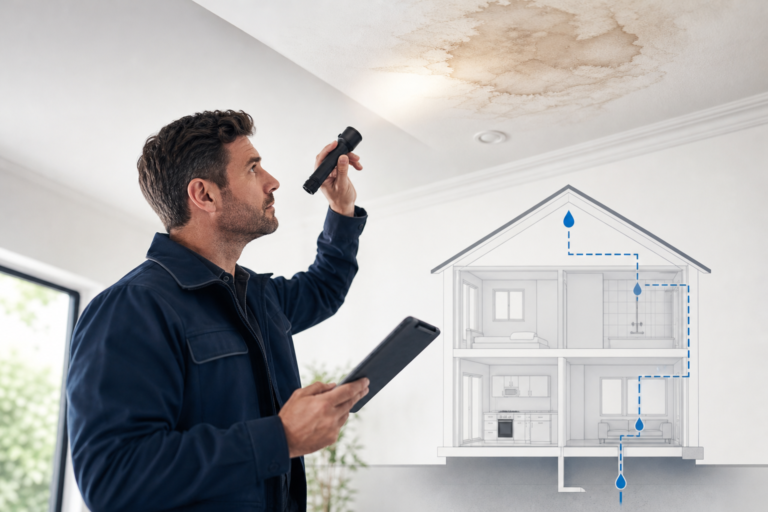
Water Damage in Homes: How to Track Down the Source
Water damage in a home rarely announces itself at the source. A stain on the ceiling, a musty smell in
Read More »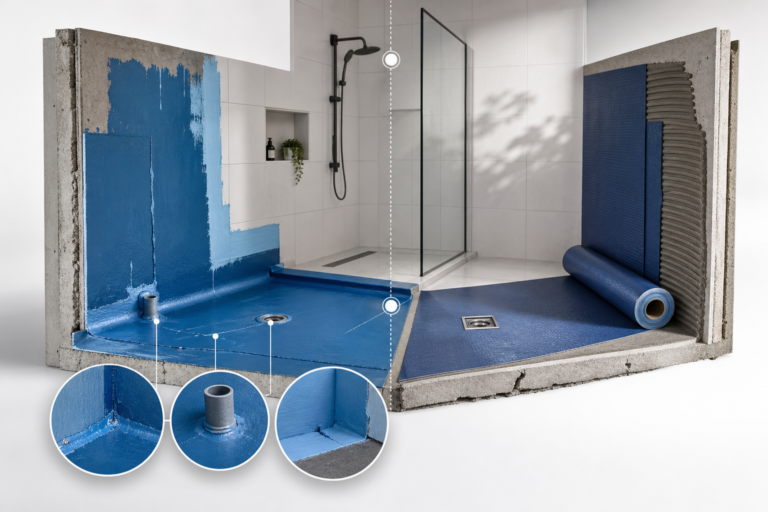
Waterproofing Membrane Types: Which Fails Most in NSW Bathrooms
Waterproofing failure is the single most common serious defect found in NSW apartments, and the type of membrane used, along
Read More »
Building Certifier NSW: Role, Limits, and When You Need More
A building certifier in NSW is a registered professional who issues construction certificates, conducts critical stage inspections, and grants occupation
Read More »