
Choosing an Expert Witness for Your NCAT Building Dispute
When your building dispute reaches the NSW Civil and Administrative Tribunal (NCAT), the quality of your expert evidence can make or break your case. Choosing the right expert witness is not simply about finding someone with technical knowledge. You need a person who understands their overriding duty to the Tribunal, can produce a report that meets strict procedural requirements, and is ready to participate in expert conclaves if ordered. This article explains what you need to look for when selecting an expert witness for an NCAT building dispute.
What is an Expert Witness in NCAT?
NCAT defines an expert witness as a person with specialised knowledge based on training, study or experience, who gives opinion evidence based wholly or substantially on that knowledge. This means the expert must have demonstrable expertise in the area they are reporting on, whether it is building defects, structural engineering, or cost assessment. Importantly, an expert witness has a paramount duty to assist the Tribunal impartially and is not an advocate for any party. That duty overrides any obligation to the person who engages them. When you choose an expert, you need someone who can maintain that impartial perspective, even if their conclusions do not favour your position.
The Importance of the Code of Conduct
NCAT Procedural Direction 3 sets out a code of conduct for expert witnesses. The expert’s report must include an acknowledgement that they have read and agree to be bound by the code. This is not a mere formality. In Evidence Rules Proceedings, failure to comply with the code may render the report or oral evidence inadmissible, or adversely affect the weight given to it. In Non-Evidence Rules Proceedings, the evidence remains admissible but its weight may still be affected by non-compliance. Therefore, when you choose an expert witness for NCAT, you must confirm they are familiar with Procedural Direction 3 and can comply with all its requirements.
Key Report Requirements Under Procedural Direction 3
An expert’s report must include several specific elements. The report must acknowledge the code of conduct. It must state the expert’s qualifications and any relationship they have with the parties. The instructions received, the material facts and assumptions relied on, and the reasons for the opinion must all be clearly set out. Finally, the report must include a declaration that the expert understands their duty to the Tribunal and has complied with it. When evaluating a potential expert, ask to see a sample report. It should follow this structure precisely. A report that omits these elements risks being given little weight by the member hearing the case.

How to Choose the Right Expert
Selecting an expert witness for your NCAT building dispute involves several practical steps. First, ensure the person has the relevant specialised knowledge. This could come from formal qualifications in building, engineering, or quantity surveying, combined with substantial on-the-ground experience. Second, look for someone who understands the NCAT environment. They should be comfortable with the concept of an overriding duty to the Tribunal and able to produce reports that meet the requirements of Procedural Direction 3. Third, consider their experience with expert conclaves. NCAT may order experts to meet, discuss issues, and produce a joint report. At a conclave, each expert must exercise independent professional judgment and attempt to reach agreement with the other expert. Your chosen expert should be willing and able to participate in that process constructively. Finally, verify that the expert has no conflicts of interest and can disclose any relationships as required.

Evidence Rules vs Non-Evidence Rules Proceedings
The distinction between Evidence Rules and Non-Evidence Rules Proceedings matters when you choose an expert. The consequences of non-compliance with the code of conduct differ. The table below summarises the key differences.
| Type of Proceeding | Effect of Non-Compliance with Code of Conduct |
|---|---|
| Evidence Rules Proceedings | May render the report or oral evidence inadmissible, or adversely affect its weight. |
| Non-Evidence Rules Proceedings | Evidence remains admissible, but the weight given to it may be adversely affected. |
The Procedural Direction applies to subject proceedings including Home Building Act claims over $30,000. If your dispute falls into that category, strict compliance is essential. Even in non-evidence proceedings, a poorly prepared report can weaken your position. When interviewing potential experts, ask whether they have experience in both types of proceedings and how they ensure their reports meet the relevant standard.
Expert Conclaves and Joint Reports
NCAT often uses expert conclaves to narrow the issues in dispute. At a conclave, the experts meet, with or without the parties, to discuss the technical issues. They attempt to reach agreement on matters and produce a joint report setting out areas of agreement and disagreement. The experts must continue to exercise independent professional judgment during this process. Your chosen expert witness must be able to work collaboratively without compromising their duty to the Tribunal. Ask potential experts about their experience with conclaves. A veteran who has participated in several joint reports will be better prepared than someone who has never done one.
Frequently Asked Questions
What happens if my expert witness does not follow the code of conduct?
If the proceeding is an Evidence Rules Proceeding, non-compliance may make the report or oral evidence inadmissible, or the Tribunal may give it less weight. In a Non-Evidence Rules Proceeding, the evidence remains admissible but the weight the Tribunal gives it may still be affected. Either way, non-compliance weakens your case.
Can a builder or tradesperson act as an expert witness in NCAT?
Yes, as long as they have specialised knowledge based on training, study or experience in the relevant area. There is no prescribed list of approved experts. However, the person must understand their duty to the Tribunal and comply with Procedural Direction 3. A tradesperson with many years of practical experience may qualify, but they must also be able to produce a report that meets all formal requirements.
Do I need a lawyer to help choose an expert witness?
Not necessarily, but legal advice can be helpful, especially if your dispute involves complex procedural issues. A solicitor familiar with NCAT building disputes can recommend experts who are known to comply with the code of conduct and produce effective reports. If you are self-represented, you will need to do your own research and ask the right questions of any potential expert.
Is there a difference between an expert witness and a building inspector?
Yes. A building inspector may provide a factual report on defects, but an expert witness gives opinion evidence based on their specialised knowledge. To be accepted as an expert witness in NCAT, the person’s opinion must be based wholly or substantially on that knowledge. A general building inspector who does not have specific expertise in the issue at hand may not qualify. Always check that the person meets the definition in Procedural Direction 3.
Choosing the right expert witness for your NCAT building dispute requires careful consideration of their qualifications, their understanding of the code of conduct, and their willingness to comply with report and conclave requirements. Take the time to interview candidates, ask for sample reports, and confirm their experience with the Tribunal. The strength of your case often depends on the credibility and competence of the expert you engage.
Related Posts
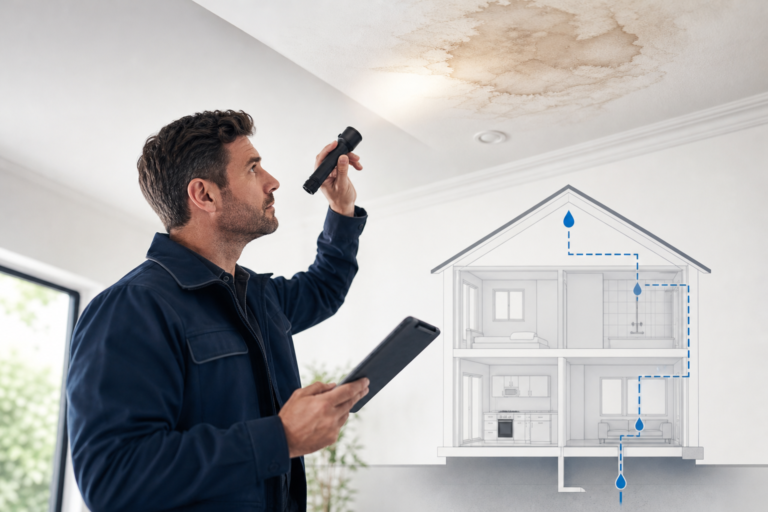
Water Damage in Homes: How to Track Down the Source
Water damage in a home rarely announces itself at the source. A stain on the ceiling, a musty smell in
Read More »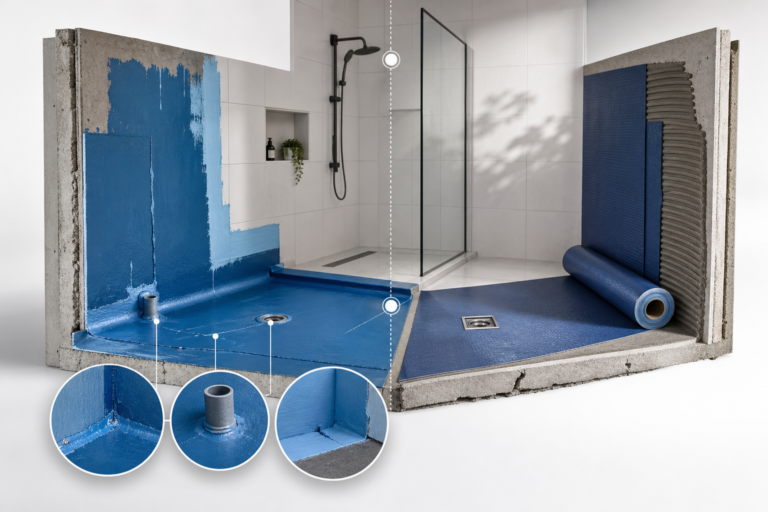
Waterproofing Membrane Types: Which Fails Most in NSW Bathrooms
Waterproofing failure is the single most common serious defect found in NSW apartments, and the type of membrane used, along
Read More »
Building Certifier NSW: Role, Limits, and When You Need More
A building certifier in NSW is a registered professional who issues construction certificates, conducts critical stage inspections, and grants occupation
Read More »