
Expert NCAT Building Expert Witness Report for Construction Disputes
When a building dispute reaches NCAT, parties are often already worn down. The job has gone off track, the relationship between owner and builder has soured, and the paperwork has become its own problem. Emails, variations, photos, quotes, diary notes, text messages, consultant comments. None of it means much unless it is organised into evidence the Tribunal can use.
That is where an ncat building expert witness report for construction disputes becomes decisive. A proper report does not just describe defects. It identifies what is wrong, explains why it is wrong, links the issue to the contract, the National Construction Code, the Home Building Act 1989 and the relevant Australian Standards, and then sets out what it will reasonably take to rectify.
After decades in building and many years assisting with litigation support, the same pattern keeps appearing. The parties know something has gone wrong, but they do not present it in a way NCAT can rely on. The Tribunal is not there to guess. It needs an independent technical pathway from allegation to finding.
Why a Compliant Expert Report is Your Strongest Tool in NCAT
A typical NCAT building matter starts with a familiar deadlock. The owner says the waterproofing failed because the work was defective. The builder says the issue is maintenance, movement, or work outside their scope. The lawyer has a stack of documents but no clean technical opinion tying the facts together.
Without a compliant expert report, that dispute stays messy.

NCAT wants evidence, not argument
NCAT regularly deals with home building disputes under the Home Building Act 1989. In that setting, an expert report is not a box-ticking exercise. It is often the document that turns a complaint into a case the Tribunal can determine.
According to Awesim’s overview of expert witness reports for building disputes, the average payout in NCAT building decisions reached $62,300 by 2026, and expert reports were cited as key evidence in 82% of successful claimant cases. That tells you how heavily outcomes can depend on independent technical evidence.
What a strong report does
A strong report cuts through three common problems:
Conflicting narratives
One side says poor workmanship. The other says normal tolerance, owner-caused damage, or incomplete access. The report separates fact from assumption.Technical complexity
Defects are rarely just visual. Waterproofing, slab movement, masonry cracking, drainage failure, and framing non-compliance need proper analysis.Quantum confusion
Even where liability is obvious, many cases stall because no one has properly costed rectification.
NCAT members need clear findings they can follow item by item. A report with a disciplined methodology gives them that.
A useful expert report does not try to sound clever. It makes each defect traceable, provable, and costed.
Why compliance matters as much as expertise
Some parties assume any inspection report will do. It will not. A litigation report must satisfy procedural requirements, remain impartial, and survive scrutiny from the other side.
That means the expert must do more than identify damage. The expert has to explain the basis of every opinion, the documents reviewed, the standards applied, any assumptions made, and the limits of the inspection. If that framework is missing, the report may still exist, but it carries less weight.
In practice, a compliant report gives homeowners, builders, and lawyers the same advantage. It narrows issues early. It forces each side to deal with evidence rather than emotion. It also helps settlement discussions, because once defects, causation, and rectification are properly set out, weak positions become harder to maintain.
Finding and Engaging the Right Building Expert for Your Dispute
Not every building consultant is an expert witness. That distinction matters.
A standard inspector may be perfectly competent at identifying visible defects for maintenance or handover purposes. NCAT work is different. The expert must understand the Tribunal’s expectations, know how to express an independent opinion, and be comfortable having every conclusion tested.
What to look for beyond a building licence
The first question is not “Are they licensed?” The first question is “Can they prepare evidence that will stand up in a dispute?”
Look for these indicators:
Litigation support experience
The expert should know how reports are used in pleadings, negotiations, conclaves, and hearings.Independence in writing and manner
If the expert sounds like an advocate from the first call, that is a warning sign.Relevant project experience
A strata defect matter, a rural footing issue, and a renovation dispute are not the same job.Working knowledge of Procedural Direction 3
The expert needs to understand how NCAT wants evidence prepared and exchanged.Comfort with cross-examination
A strong report is only part of the job. The author may need to defend it.
For readers comparing providers, a building consultant with dispute and report experience is usually more useful than a general inspection service that does not regularly work in contested matters.
Rural NSW matters need local judgement
Regional disputes can look straightforward on paper and become complicated on site. Soil movement, access, weather exposure, transport delays, and local construction methods all affect both diagnosis and rectification.
That is one reason rural experience matters. According to a practical discussion of NCAT witness reports, reactive soils can require careful assessment in rural claims, and well-prepared reports help parties present their evidence clearly. Those figures highlight two practical points. First, regional site conditions cannot be treated as an afterthought. Second, compliance and cooperation still drive outcomes even when the facts are technically difficult.
How to engage the expert properly
The quality of the instruction often shapes the quality of the report.
A poor instruction sounds like this: “Please inspect and tell us everything wrong with the build.”
A better instruction identifies the dispute, the key issues, the site address, the available documents, the required output, and whether the report is for negotiation, NCAT filing, or both.
Use a clear engagement process:
Define the dispute
State whether the issues are defective work, incomplete work, delay, variations, water ingress, structural movement, or scope disagreement.Provide the core documents
Contract, plans, specifications, approved amendments, consultant reports, photos, correspondence, and any directions from NCAT.Set the brief
Ask the expert to identify defects, causation, compliance issues, and rectification scope. If costings are needed, say so expressly.Clarify access
Occupied homes, tenanted strata lots, and rural properties can all require special arrangements.Confirm likely deliverables
This may include the main report, appendices, photographs, Scott Schedule input, and conclave participation if ordered.
The best expert instructions are narrow enough to be workable and broad enough to cover the actual dispute.
Questions worth asking before you sign
Ask direct questions. You are not buying a generic report.
- Have you prepared reports specifically for NCAT building disputes?
- How do you deal with issues outside your expertise?
- What documents do you need before inspection?
- Do you prepare Scott Schedules and joint expert material if required?
- How do you separate observed facts from assumptions?
- Can you cost rectification in a form NCAT can use?
A good expert answers plainly. If the answers are vague, sales-heavy, or defensive, keep looking.
The Anatomy of an NCAT-Compliant Expert Report
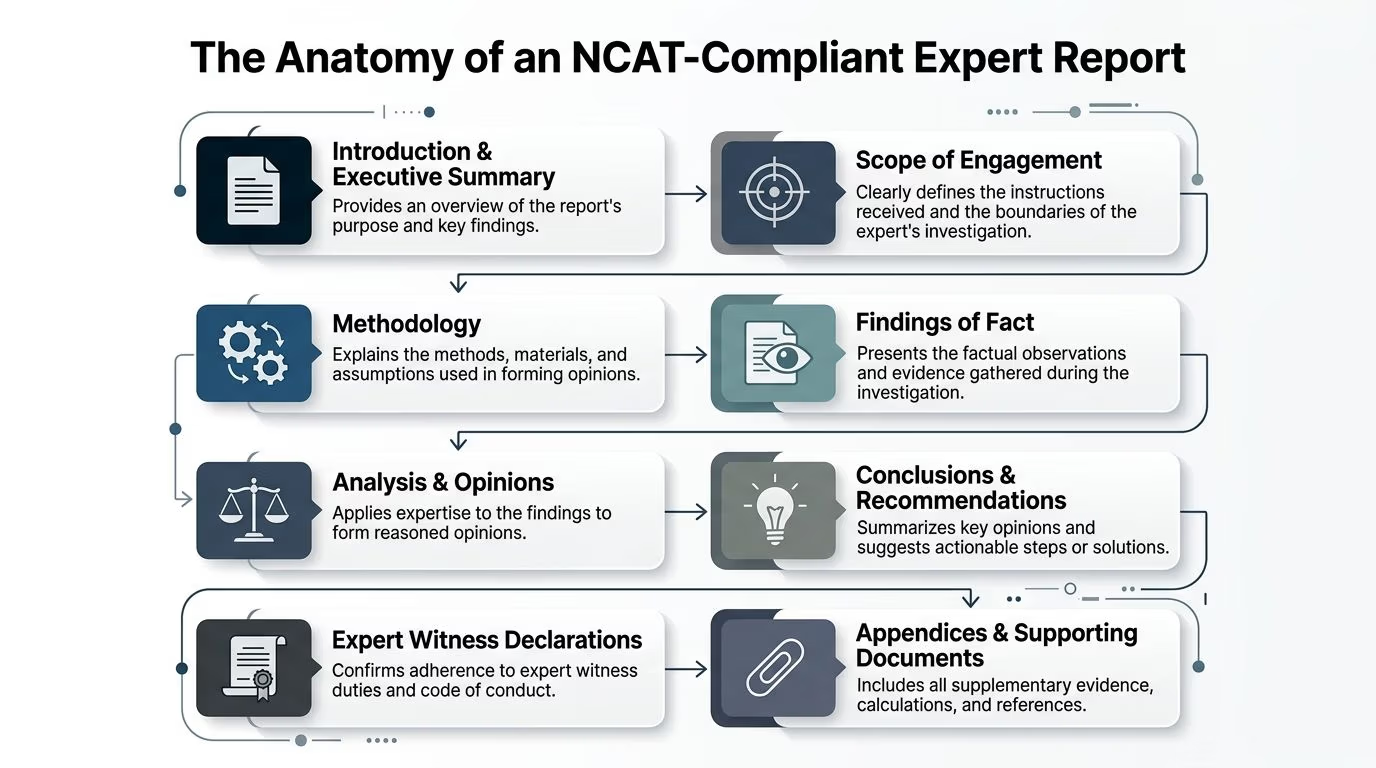
A compliant report is built in layers. It starts with instructions and qualifications, then moves through inspection, evidence, analysis, costings, and formal declarations. If one layer is weak, the whole document becomes easier to attack.
The report has to answer the right questions
The first pages matter more than many people realise. The report should identify:
- who engaged the expert
- what the expert was asked to do
- what documents were reviewed
- what areas were inspected
- what limitations applied
- the expert’s qualifications and relevant experience
This foundation tells NCAT what the report is, and what it is not. If limitations exist, they should be stated early. Concealing access restrictions or missing documents usually backfires.
For readers wanting to compare structure, an Australian expert witness report template helps show how scope, assumptions, methodology, findings, and declarations should sit together.
Methodology is where credibility is won
NCAT does not just want conclusions. It wants a traceable pathway to those conclusions.
According to Owner Developer’s guide to using expert reports in NCAT building disputes, the report process requires adherence to Procedural Direction 3 and the Expert Code of Conduct, with defect categorisation under Australian Standards, causation analysis, and costing based on recognised guides like Rawlinsons. The same source notes that 78% of claims are upheld when reports include quantified costs.
That aligns with what works in practice. A report should explain:
Inspection method
Visual inspection, measurement, moisture testing, level checks, review of finishes, or other appropriate techniques.Document review
Plans, specifications, contract terms, engineering details, previous reports, and variation records.Defect classification
Whether the issue is defective workmanship, incomplete works, damage, non-compliance, or an excluded item.Causation analysis
Not just what failed, but why it failed.Rectification pathway
What has to be done to bring the work into compliance or make it good.
Findings must stay factual before opinions begin
A common drafting error is blending facts and opinions too early. The cleaner approach is to separate them.
Findings of fact
This part should record what the expert observed. Cracking patterns. Moisture readings. Lack of falls. Incomplete flashings. Missing articulation joints. Poor bond in masonry. The language should stay neutral.
Analysis and opinions
Only after the facts are set out should the expert explain the technical significance of those observations. That is where references to the NCC, the Home Building Act 1989, and specific Australian Standards become critical.
Quantum and rectification
Many reports become thin when dealing with quantum and rectification. If the issue requires rectification costing, the report should identify the work required and provide a supportable costing basis. Broad estimates with no methodology are hard to defend.
Every defect item should let a reader answer four questions. What is wrong, why is it wrong, what standard applies, and what must be done about it?
Appendices are not optional clutter
The appendices are part of the evidence chain. They often include:
- photo schedules
- marked-up plans
- test results
- relevant excerpts from standards or contract documents
- calculations
- inspection notes
- cost breakdowns
If a report says a defect exists but the appendices do not support the conclusion, the report feels incomplete. If the appendices are thorough but the main text never draws them into the reasoning, the report feels disjointed.
The strongest reports are readable in the main body and verifiable in the attachments.
Mastering Scott Schedules Under NCAT Procedural Direction 3
A Scott Schedule is where many building cases either sharpen up or lose momentum. When prepared properly, it gives NCAT a disciplined item-by-item map of the dispute. When prepared badly, it creates confusion, duplication, and adjournment risk.

What changed under the newer direction
The practical effect of Procedural Direction 3 is that a Scott Schedule now needs to do more than list complaints. It must be structured so the Tribunal can track each item against the evidence and the response.
According to SIBI’s discussion of NCAT expert witness reports, the 2025 updates mandated specific digital formats and cross-referencing, and 68% of NSW building disputes in 2025 involved Scott Schedule errors leading to adjournments. The same source states that 15% of submissions were rejected for excessive verbosity, with tribunals favouring concise, data-backed formats.
That combination matters. It means detail is necessary, but undisciplined detail is dangerous.
What a Scott Schedule should contain
A workable schedule usually tracks each disputed item across the same core questions:
| Item | What is alleged | Response | Expert opinion | Cost or consequence |
|---|---|---|---|---|
| Defect number | Clear short description | Admit, deny, qualify | Technical conclusion with reference | Rectification amount or note |
The mistake many parties make is trying to turn the schedule into a second report. It is not. The schedule is a navigation tool. The report carries the detailed reasoning.
A useful Scott Schedule template for building disputes can help parties understand the expected column logic and the level of detail that belongs in each field.
Clarity beats volume
In practice, the best schedules are concise and heavily cross-referenced. They do not ramble. They do not repeat every paragraph from the report. They identify the issue, point to the supporting material, and state the expert position in a way a Tribunal member can absorb quickly.
Poor schedules usually fail in one of four ways:
- they combine multiple defects into one line item
- they use vague descriptions such as “poor workmanship throughout”
- they omit the evidence reference
- they include argumentative commentary instead of technical opinion
A better way to draft each line item
Write each item so that someone with no site knowledge can still follow it.
For example, instead of writing “bathroom waterproofing defective”, write the item in a way that identifies location, observed failure, standard issue, and rectification position. Keep the wording controlled. The schedule should guide the reader, not overwhelm them.
This short video gives useful context on how experts present evidence through a Scott Schedule in construction disputes.
Why the schedule matters strategically
A clean Scott Schedule does more than help at hearing. It often shapes settlement discussions, expert conferences, and legal advice before the hearing ever starts.
When both sides can see the exact defect item, the opposing positions, the evidence location, and the rectification cost, the primary points of disagreement become obvious. That is valuable. Some items fall away. Others narrow. The few that remain in dispute can then be properly tested.
If the main report is the technical backbone of the case, the Scott Schedule is the working table everyone uses to argue over each vertebra.
Common Pitfalls That Can Invalidate Your Expert Report
Most failed expert reports do not fail because the building issue was minor. They fail because the report did not give NCAT what it needed to decide the dispute safely.
The biggest mistake is assuming that a strongly worded opinion is enough. It is not.
Unsubstantiated quantum sinks cases
The most common weak point is repair costing.
According to MJ Engineering’s analysis of why building expert reports fail, 42% of dismissed building claims in an NCAT 2025 review stemmed from unsubstantiated quantum, and party-biased reports were invalidated in 30% of cases under the Expert Code of Conduct. The same source identifies failure to include verifiable AS-compliant costing as a primary reason for dismissal.
That reflects what happens on files. A report may prove defective work convincingly, but if the rectification figure is broad, unexplained, or disconnected from the actual scope, the claim can stall or collapse.
Bias is easier to spot than people think
Experts damage their own evidence when they write like advocates.
NCAT expects the expert to assist the Tribunal, not champion the client’s case. Language that sounds emotional, argumentative, or selective creates doubt. So does ignoring inconvenient facts.
Common signs of trouble include:
Loaded language
Terms that blame, ridicule, or speculate about motive.One-sided document selection
Reliance on client-supplied material without checking the opposing records.No acknowledgment of limitations
Every inspection has boundaries. Pretending otherwise weakens trust.Opinions outside expertise
Building experts should stay in their lane. Legal conclusions and engineering opinions need care.
An honest concession strengthens a report. A forced certainty weakens it.
Incomplete compliance referencing
Another recurring problem is the report that says work is “non-compliant” but never properly identifies the clause, standard, tolerance, or contractual requirement said to be breached.
That leaves the Tribunal doing the expert’s work. It should not have to.
A sound report will tie each defect to the correct benchmark. In some matters that is the NCC. In others it is the contract drawings, specifications, statutory warranties, or a specific Australian Standard. Often it is a combination.
Poor instructions create poor reports
Sometimes the expert is blamed for a flawed report when the brief was defective from the start.
If the instruction never asked for quantified rectification, or never supplied the contract, or never identified the disputed scope, the report may answer the wrong question well. That still leaves the case exposed.
Typical timelines and costs for NCAT expert reports
The exact scope depends on site size, access, documents, and whether the matter needs a Scott Schedule or conclave participation. The figures below use only verified data where available and otherwise stay general.
| Report Type / Stage | Typical Cost Range (ex. GST) | Estimated Timeline |
|---|---|---|
| Initial inspection for an NCAT construction dispute | $800 to $2,000 for initial inspections depending on project scale, as noted by Building Inspection Sydney’s NCAT expert witness report page | Varies by access, document readiness, and site complexity |
| Full expert witness report with defect analysis | Scope-dependent | Depends on inspection findings, document volume, and whether further testing is needed |
| Scott Schedule preparation or review | Scope-dependent | Usually tied to Tribunal directions and exchange dates |
| Joint expert conference and joint report input | Scope-dependent | Triggered after both experts have exchanged reports |
| Hearing preparation and expert attendance | Scope-dependent | Usually close to the final listing date |
What works better
A stronger approach usually includes these habits:
Separate facts from opinions
Record what was seen, then explain what it means.Cost the actual rectification scope
Do not rely on a loose allowance where a proper scope can be set out.State limitations openly
Restricted access, destructive testing not performed, incomplete documents. Put it in writing.Answer the Tribunal’s issue, not the client’s frustration
NCAT needs defect, causation, compliance, and quantum addressed in a disciplined way.Draft for challenge
Assume the other side will test every line. That mindset usually improves the report.
Your Next Steps in the NCAT Process
Once the report is complete, the dispute usually becomes more focused. That does not mean it becomes easy. It means the argument should now move onto firmer ground.
Use the report as the case roadmap
The first practical step is to check that the report aligns with the claim or defence being run. If the pleadings say one thing and the expert report proves another, the case becomes disjointed.
Lawyers should test the report against the orders already made by NCAT. Homeowners and builders should check that every major disputed item has been addressed. If something is missing, it is better to identify it early than at hearing.
Expect the other side to engage with it
A proper expert report usually triggers one of three responses from the other side:
- they obtain their own report
- they narrow the dispute
- they challenge methodology, assumptions, or quantum
That is normal. The report should be strong enough to handle scrutiny.
Where NCAT directs a joint expert conference or conclave, the expert’s role changes slightly. The task is no longer just to express an opinion. It is to identify what can be agreed, what remains in dispute, and why.
This stage often helps more than parties expect. Even where the experts disagree, a conclave can trim away side issues and expose the core technical questions.
Prepare for hearing with discipline
Before hearing, the report should be used as a practical working document.
Review:
- the key defect items still in dispute
- the evidentiary basis for each item
- any assumptions that may be challenged
- the rectification pathway and costing support
- any limitations that need explanation in oral evidence
If the expert is attending, preparation matters. That does not mean coaching. It means making sure the expert has the final report set, the relevant documents, the latest orders, and a clear understanding of the issues still alive.
For parties managing the process, a Scott Schedule often becomes the best hearing tool once exchanged. It lets everyone move item by item rather than speaking in generalities. For practical background on that document, see Awesim’s page on https://awesim.com.au/scott-schedule-template/.
A well-prepared report keeps paying off after service. It informs settlement, shapes conclaves, supports negotiations, and gives the Tribunal a clear basis to decide what happened and what it will take to fix it.
Frequently Asked Questions About NCAT Expert Reports
Can I use a standard building inspection report in NCAT
Sometimes it can be filed, but that does not make it strong expert evidence. A standard inspection report often identifies issues without dealing properly with impartiality, causation, procedural compliance, or rectification methodology. For a contested matter, that gap becomes obvious quickly.
What happens if the two experts disagree
That is common. NCAT may direct the experts to confer and identify areas of agreement and disagreement. The key issue is not whether disagreement exists. The key issue is whether each opinion is reasoned, documented, and tied to the right technical benchmarks.
Does the expert work for me or for the Tribunal
You pay the expert, but the expert’s duty is to assist the Tribunal impartially. That is why an independent expert is far more useful than someone who repeats your position.
How detailed should the report be
Detailed enough to prove the issue, but controlled enough to remain usable. The report should show the inspection basis, findings, standards, analysis, and rectification position. It should not wander into unnecessary commentary.
How long does an expert report remain useful
There is no simple universal expiry date. The practical question is whether the report still reflects the condition of the building, the available evidence, and the live issues in dispute. If conditions change, further damage occurs, or access later reveals more information, an update may be necessary.
Will the expert have to attend the hearing
Possibly. Some matters resolve before hearing. Others require the expert to give oral evidence and answer questions about methodology, assumptions, and opinions. A report should always be prepared on the basis that its author may need to defend it.
What should I send the expert first
Start with the contract, plans, specifications, variations, photos, correspondence, any previous reports, and the NCAT orders if proceedings have commenced. Good instructions save time and reduce the risk of a report that answers the wrong question.
If you need an ncat building expert witness report for construction disputes, Awesim Building Consultants prepares independent building inspections, expert witness reports, and NCAT-ready documentation for homeowners, builders, lawyers, and regional NSW matters. The focus is practical evidence, clear defect analysis, and reports that address the issues NCAT has to decide.
Related Posts
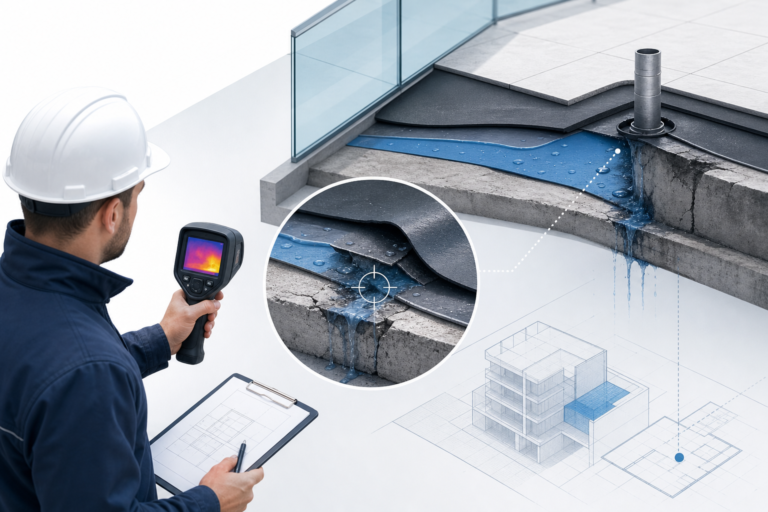
Waterproof Membrane Failure: How Inspectors Find the Cause
Waterproof membrane failure is diagnosed by tracing the water entry point, reviewing design documents, exposing the membrane for visual inspection,
Read More »
Cornice Cracking: How to Tell If the Damage Is Serious
Cornice cracking is one of the most common concerns Australian homeowners raise, and the hard part is not spotting the
Read More »
Digital Construction Consultant Australia: What They Do
A digital construction consultant in Australia manages the technology-driven side of building projects: BIM coordination, clash detection, asset data handover,
Read More »