
Expert Witness Consulting Firms: A Guide for NSW Disputes
Meta description: Expert witness consulting firms for NSW building disputes. Learn reports, Scott Schedules, NCAT process, selection criteria, and when to engage.
You usually start looking for an expert witness after the dispute has already turned expensive. The builder says the work is compliant. The owner says the defects are obvious. The solicitor needs a report that will stand up in NCAT or court. At that point, a generic inspection won’t do. You need evidence that is independent, organised, and capable of being tested.
We’ve worked in building and construction for 35+ years and spent 15+ years providing litigation support to homeowners, builders, lawyers, the Tribunal and courts. That practical background matters in construction disputes because a useful opinion doesn’t come from theory alone. It comes from knowing how buildings go together, how they fail, what documents matter, and how a tribunal will read an expert witness report.
Authority block
What is an expert witness consulting firm?
An expert witness consulting firm is a specialist practice that investigates technical issues in dispute, prepares independent reports, and, where required, gives evidence in tribunal or court. In NSW building matters, the work usually involves inspections, defect analysis, code and standards review, causation, rectification scope, and Scott Schedules.
Authority block
When should you hire one?
The best time is usually before positions harden. Early engagement helps define the real issues, preserve evidence, and separate genuine defects from noise. Late engagement can still help, but it often means working around missing documents, altered sites, and arguments that should’ve been narrowed much earlier.
Authority block
What makes an expert witness credible?
Credibility comes from independence, relevant technical experience, clear reasoning, and the ability to explain conclusions under challenge. In NSW matters, the real test is whether the expert can produce tribunal-ready evidence rather than simply sounding knowledgeable.
The Role of Expert Witness Consulting Firms in NSW Building Disputes
In NSW, expert witness consulting firms sit at the intersection of construction practice and legal procedure. Their job isn’t to argue the case for the client. Their job is to identify the issue in dispute, inspect and analyse the evidence, and provide an opinion that is properly reasoned and fit for tribunal or court use.
Under the Uniform Civil Procedure Rules 2005 (NSW), experts have an overriding duty to the court rather than the party who engages them. In practice, that rule is central to building disputes because the opinion has to be independent from the start, especially in matters that proceed through NCAT, which hears a very large volume of consumer and building matters each year, as noted in this industry summary of expert witness consulting and NSW procedure.
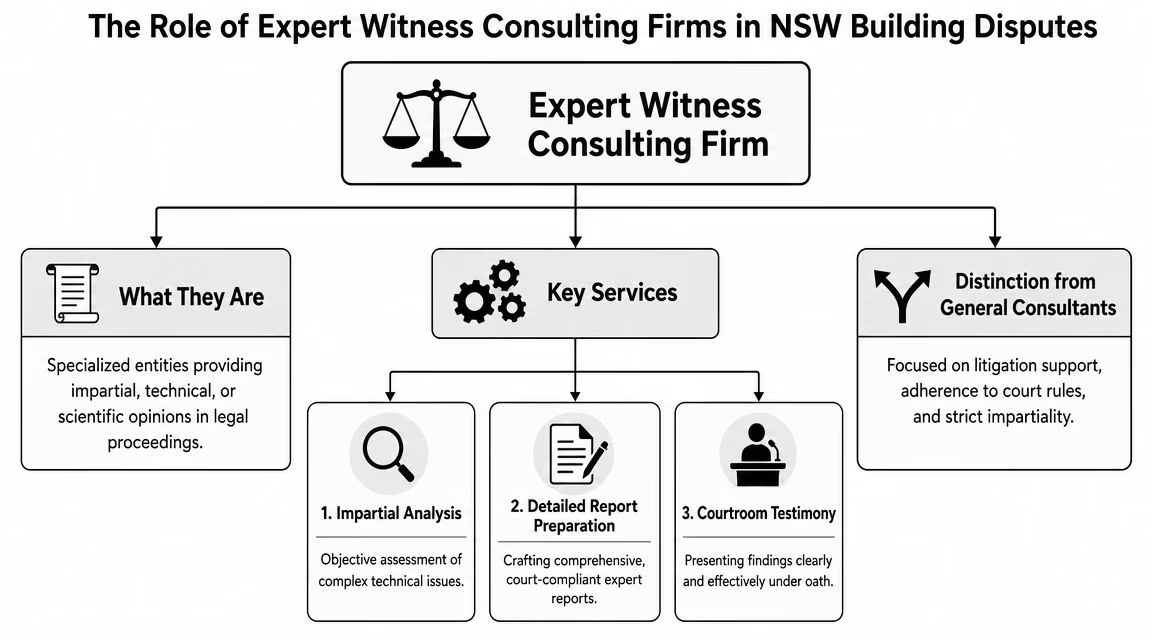
What a firm does that a sole expert often can’t
A sole trader can be effective on a narrow issue. A firm is usually better suited where the dispute involves multiple defects, extensive drawings, contradictory scopes, or parallel questions about workmanship, compliance, sequencing, and cost.
That difference usually shows up in four areas:
- Document control: Building disputes generate plans, contracts, variations, emails, photographs, certificates, invoices, and inspection records. A firm is generally better set up to sort and track that material.
- Consistency: Reports, annexures, defect numbering, and Scott Schedule entries need to align. Loose formatting causes problems later.
- Scalability: If the matter expands, a firm can usually manage additional inspections, conferences, schedule revisions, and hearing preparation more efficiently.
- Procedural discipline: The strongest firms understand that the report is only one part of the job. The opinion must also survive questions about method, instructions, and scope.
Where related insurance disputes overlap
Some building matters also involve insurance claim issues, particularly after water ingress, storm damage, impact events, or defective repair disputes. In those cases, it can help to understand how public adjusters help policyholders so the building evidence and insurance position don’t drift apart.
For a building expert witness, the practical point is simple. Independence is not a slogan. It’s the basis on which the report is accepted, challenged, or rejected.
Key Services for Navigating Construction Litigation
The work product of expert witness consulting firms needs to be useful, not just technical. In NSW building matters, that usually means reports and schedules that answer the disputed question directly and can be followed by lawyers, tribunal members, owners, builders, and insurers.
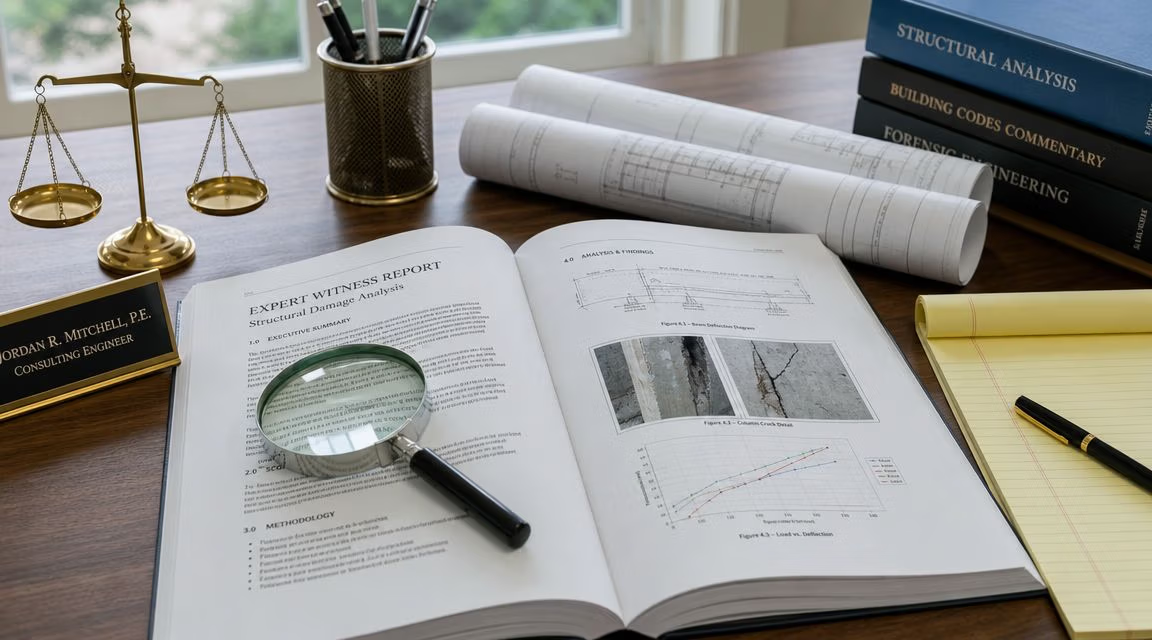
Expert reports and forensic investigations
A proper expert witness report does more than list defects. It should identify the exact issue, tie each conclusion to site evidence and documents, and show the method used to reach the opinion. In Australian construction disputes, the strongest methodology is to structure the opinion around admissibility: define the issue, map each conclusion to a reliable method and the case facts, and show why the opinion satisfies expert evidence requirements, as explained in this analysis of modern litigation consulting methodology.
That matters on the ground. If a report jumps from observation to conclusion without showing the reasoning, it becomes vulnerable. If it overreaches beyond the brief, it becomes harder to defend.
A report should let the reader see how the expert got from the site evidence to the conclusion. If the reasoning is missing, the opinion is exposed.
Forensic work may include moisture tracing, sequencing analysis, workmanship assessment, contract scope comparison, and review against drawings, approvals, and Australian Standards. In matters touching regulated design and compliance questions, some readers may also find guidance on DBP Act 2020 useful background.
Scott Schedules and hearing support
A Scott Schedule is one of the most practical tools in building litigation. It breaks the dispute into itemised issues so each side can state its position on defect, cause, responsibility, rectification, and cost. In NCAT matters, it often becomes the working document that narrows the fight.
Common services from specialist firms include:
- Scott Schedules: Clear item-by-item defect analysis for claimant or respondent positions.
- Court and tribunal testimony: Oral evidence that explains technical findings in plain language.
- Joint expert processes: Conferences and joint statements where required.
- Dispute resolution support: Assistance in NCAT, courts, arbitration, and settlement discussions.
Industries beyond building also use expert witness consulting firms, including engineering, financial disputes, and medical or legal matters. But in construction, the practical burden is usually heavier because the evidence is physical, technical, and often incomplete by the time the dispute starts.
How to Choose the Right Expert Witness Consulting Firm
Choosing a firm isn’t about finding the loudest opinion. It’s about finding an expert whose work will hold up when the other side tests every assumption. In a fragmented market, courtroom reliability matters. Prior testifying experience and independent references are key, and the core question is whether the expert can produce defensible, tribunal-ready evidence under local processes such as NCAT, as discussed in this guidance on selecting experts in a crowded market.
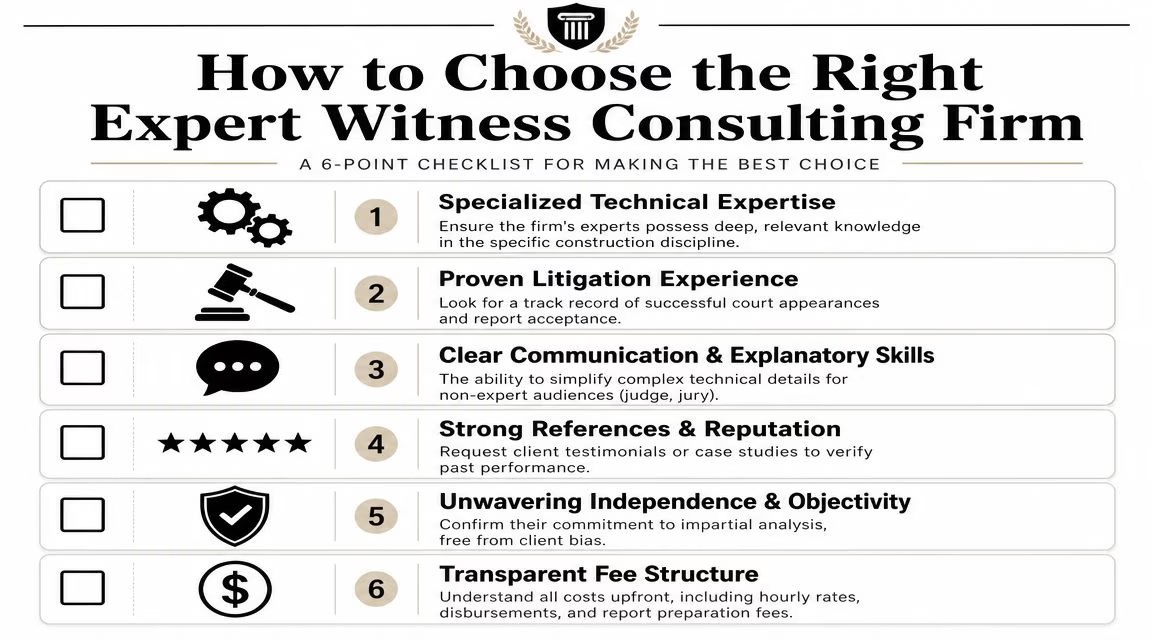
Questions worth asking before you engage
Ask direct questions. If the answers are vague, move on.
| What to ask | Why it matters |
|---|---|
| Have you prepared reports specifically for NSW building disputes? | General expert work doesn’t always translate to NCAT practice. |
| Have you given evidence under cross-examination or concurrent evidence processes? | Written reports are only part of the job. |
| How do you separate observation, opinion, and assumption? | That separation is critical to credibility. |
| What documents do you require before inspection? | Good experts know what they need early. |
| How do you scope your engagement? | Poor scoping drives cost and confusion. |
A credible building expert witness should have both site-based experience and reporting discipline. Long practical experience helps identify how defects arose. Tribunal experience helps present that analysis in a way the forum can use.
Independence and conduct
An expert who sounds like an advocate usually harms the case. So does an expert who promises to “win” the matter. The better approach is to ask how the firm handles its duty to the court and whether it works to a formal conduct framework such as the NSW expert witness code of conduct.
Another useful distinction is firm structure versus individual capacity. A specialist firm can provide multi-disciplinary support, better file management, and more consistent reporting. That’s often valuable where the matter includes structural concerns, waterproofing failure, incomplete works, and competing rectification methodologies.
Here’s a useful primer on the selection factors clients should review before retaining an expert:
One practical benchmark
For NSW matters, one option is Awesim Building Consultants, which provides site investigations, expert witness reports, and Scott Schedules for homeowners, builders, lawyers, and dispute forums. The useful point isn’t the name. It’s the service model. The more complex the dispute, the more important it is to engage a firm that can inspect, document, analyse, and present evidence consistently from first brief to final hearing.
The Engagement Process From Briefing to Report
Most problems in expert engagements start before the inspection. The brief is too broad, key documents are missing, or the client wants the expert to “look at everything” without defining the actual questions in dispute. That approach wastes time and weakens the final opinion.

Step by step in a well-run engagement
A disciplined engagement usually follows a clear sequence:
Initial briefing
The client or solicitor sets out the issues, forum, timetable, and available documents.Document review
The expert reviews the contract, plans, approvals, variations, photos, correspondence, previous reports, and defect lists.Site inspection
The inspection focuses on the pleaded or disputed issues, not every imperfection on the property.Analysis and report drafting
Observations are matched against documents, standards, and causation pathways.Final report and any schedule work
The report is finalised for filing, and Scott Schedule responses are prepared if required.
Practical rule: Narrow briefs produce stronger reports. Broad briefs usually produce cost creep and avoidable argument.
A major operational pitfall is over-broad scoping. Expert engagements work best when limited to specific tasks, timelines, and fee arrangements. Open-ended mandates increase cost blowouts and weaken defensibility, as explained in this discussion of scope limits in expert witness consulting.
What clients should provide early
Clients help the process by being organised. The most useful file usually includes:
- Core contract documents: Contract, scope, plans, specifications, and approved changes.
- Chronology: A short timeline of key events, complaints, and inspections.
- Photographic record: Dated images are far more useful than loose screenshots.
- Previous opinions: Earlier reports should be disclosed, even if unhelpful.
- Defined questions: State what the expert is being asked to decide.
For those preparing their first matter, an Australian expert witness report template helps show how a properly structured brief and report should look.
The same timing issue comes up repeatedly. Early engagement gives the expert a better chance to inspect original conditions and identify what matters before repairs, deterioration, or further trades muddy the evidence.
Red Flags and Best Practices for a Successful Partnership
Building work in Australia runs into the tens of billions of dollars annually, and the sector generates a steady pipeline of residential, strata, and commercial disputes. That’s one reason experienced, procedurally sound experts are consistently valuable in this market, as noted in this market overview of expert witness consulting demand linked to construction activity.
Red flags
Watch for these signs early:
- Guaranteed outcomes: No credible expert can promise success.
- Advocacy language: If the expert sounds like your barrister, the report may already be compromised.
- Loose scoping: If the engagement terms are unclear, the dispute will usually expand in cost and confusion.
- Thin tribunal experience: Technical knowledge alone isn’t enough.
- Poor document habits: Missing annexures, inconsistent defect numbering, and unclear assumptions are warning signs.
Best practices
The clients who get the most value from expert witness consulting firms usually do three things well:
- Engage early: Early advice can help define the dispute before the file becomes overloaded.
- Stay organised: Good evidence in usually produces better opinions out.
- Accept independence: The expert’s role is to tell the truth of the matter, not to mirror the client’s preferred version.
The strongest expert relationships are built on clear instructions, full disclosure, and enough independence for the opinion to be respected.
Your Trusted Partner in NSW Building Disputes
We bring 35+ years in building and construction and 15+ years providing expert witness consulting across NSW matters for homeowners, builders, lawyers, the Tribunal and courts. We travel across Australia, with 3 offices based in NSW, and prepare practical, independent reporting for disputes that need proper technical evidence.
If you need a clear, independent assessment for a building dispute, contact Awesim Building Consultants. We provide site investigations, expert witness reports, and Scott Schedules for NSW and matters across Australia. Email admin@awesim.com.au or call 1800 293 746.
Related Posts
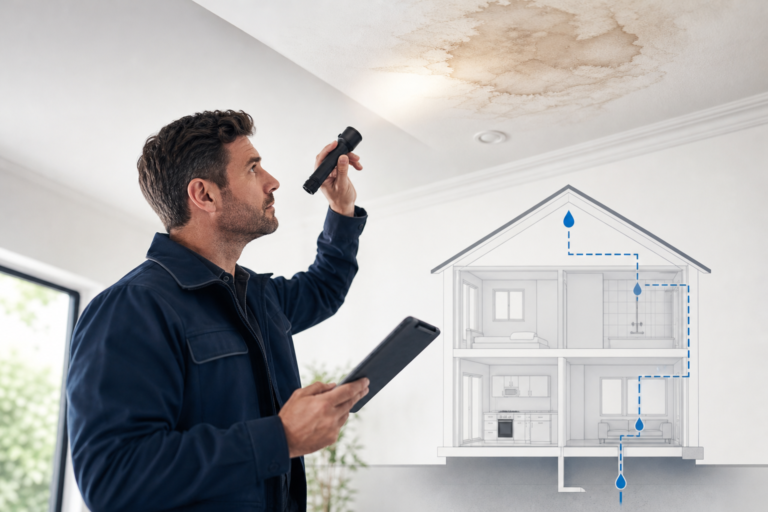
Water Damage in Homes: How to Track Down the Source
Water damage in a home rarely announces itself at the source. A stain on the ceiling, a musty smell in
Read More »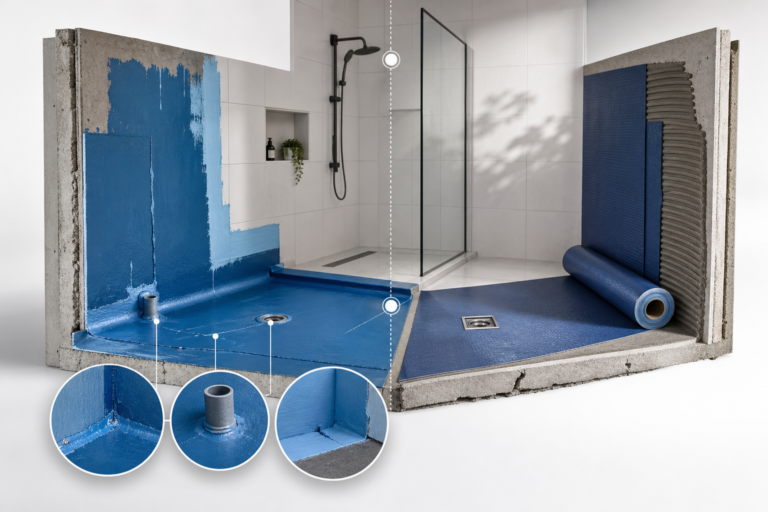
Waterproofing Membrane Types: Which Fails Most in NSW Bathrooms
Waterproofing failure is the single most common serious defect found in NSW apartments, and the type of membrane used, along
Read More »
Building Certifier NSW: Role, Limits, and When You Need More
A building certifier in NSW is a registered professional who issues construction certificates, conducts critical stage inspections, and grants occupation
Read More »