
Building Disputes for Homeowners in NSW: Your Practical Step-by-Step Guide
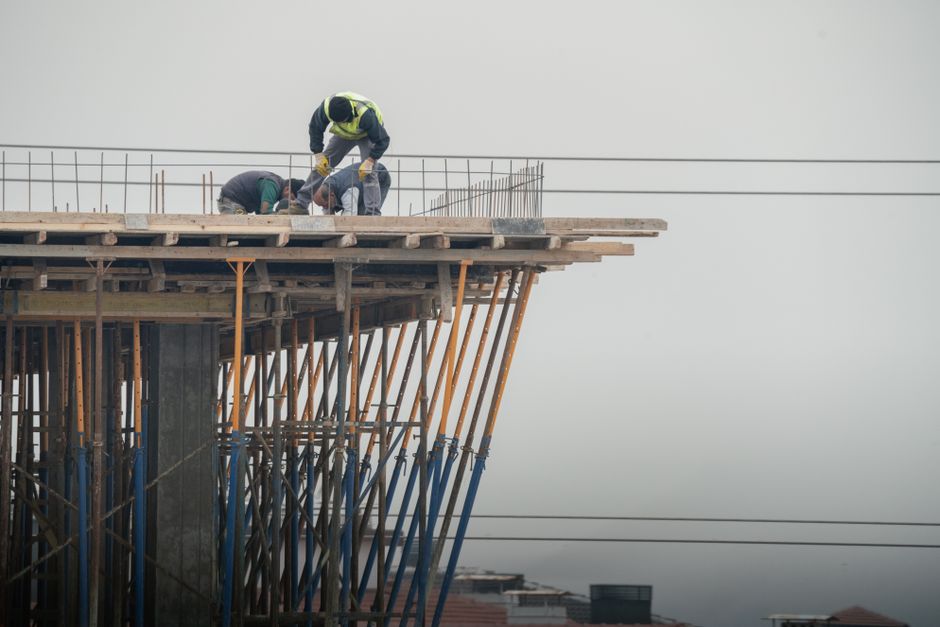
A building dispute can be one of the most stressful experiences for a homeowner. Whether it is defective work, incomplete construction, or a payment disagreement, knowing the right steps to take is essential. In New South Wales, the main forum for resolving residential building disputes is the NSW Civil and Administrative Tribunal (NCAT), which operates under the Home Building Act 1989. This guide walks you through the practical steps to address a building dispute, from early communication to preparing your case for NCAT. While the process can feel daunting, a clear plan and the right expert support can make a significant difference.
Understanding Your Rights as a Homeowner in NSW
Under the Home Building Act 1989, certain warranties and protections are implied into residential building contracts. These protections cannot be signed away and apply to most home building work. While the exact warranty period in NSW is not detailed in this guide, homeowners in other states have specific timeframes: for example, in Victoria builder warranties apply for up to 10 years from completion, and in Western Australia general complaints must be lodged within 6 years of completion. It is wise to act promptly as soon as you become aware of a problem. Your contract, any correspondence, and photographs of defects form the foundation of your case.
Step 1: Identify the Problem and Gather Evidence
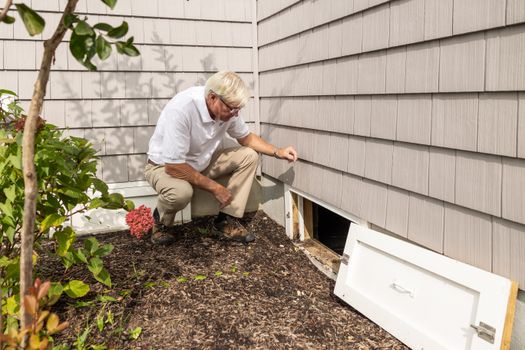
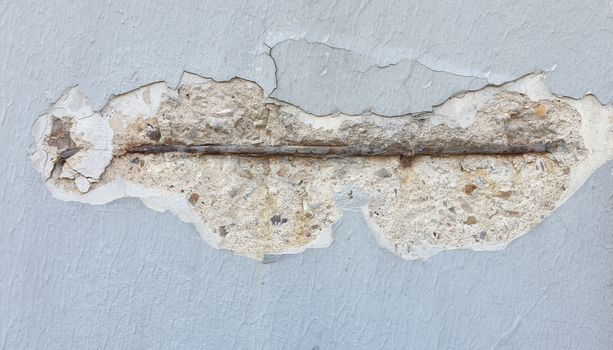
Start by clearly defining the issue. Is it faulty workmanship, failure to complete the project, or a dispute about payments? Document everything. Take dated photographs of any defects, keep copies of your building contract, invoices, emails, and text messages. A written log of when the problem first appeared and any attempts you have made to resolve it will be valuable later. The more precise your records, the easier it will be to present your case to NCAT or a building consultant.
Step 2: Communicate Directly with Your Builder
Before escalating the matter, try to resolve the dispute directly with your building practitioner. Write a clear letter or email outlining the problem, what you believe should be done, and a reasonable timeframe for a response. Many disagreements can be settled at this stage without the need for formal proceedings. Keep copies of all correspondence. If the builder is unresponsive or refuses to rectify the issue, you will have a clear record that you made a genuine attempt to resolve the matter.
Step 3: Seek Independent Expert Advice
When direct communication fails, engaging an independent building consultant is a logical next step. A qualified expert can inspect the property, identify defects, and provide a professional opinion on the scope of rectification work. In many building disputes, particularly those that reach NCAT, an expert witness report is essential. These reports set out the nature of the defects, the likely cause, and the estimated cost of repairs. A well-prepared report can significantly strengthen your position and help the tribunal understand the technical aspects of your case.
Step 4: Explore Formal Dispute Resolution
Each Australian state and territory has its own pathway for building dispute resolution. In New South Wales, homeowners can apply directly to NCAT to have a dispute heard under the Home Building Act 1989. This is different from other jurisdictions: for example, in Victoria the Domestic Building Dispute Resolution Victoria (DBDRV) provides a free conciliation service that is a mandatory prerequisite for most VCAT proceedings. In Western Australia, the Building Commissioner (via Building and Energy) handles complaints, and unresolved matters can go to the State Administrative Tribunal or the Magistrates Court (for claims up to $75,000) or the District Court (for claims up to $750,000). In Queensland, the Queensland Building and Construction Commission (QBCC) investigates complaints and can issue rectification orders, with the Queensland Civil and Administrative Tribunal (QCAT) reviewing decisions. In the ACT, complaints about land, planning, and building are directed to Access Canberra. Knowing the correct forum for your location is critical, and for NSW homeowners that forum is NCAT.
Step 5: Prepare Your Case for NCAT
Once you decide to proceed to NCAT, you will need to file an application. The tribunal will then set a timetable for the exchange of evidence. One of the most useful tools in this process is a Scott Schedule, a document that lists each alleged defect, the homeowner’s claim, the builder’s response, and the remedy sought. A building consultancy can help prepare this schedule, ensuring that each item is clearly linked to the relevant contractual or warranty obligation. An expert witness report should accompany the Scott Schedule to provide independent technical evidence. Proper preparation at this stage saves time and can avoid adjournments.

Step 6: Attend the Hearing and Seek a Resolution
NCAT hearings are generally less formal than court proceedings, but they still require a well-organised presentation of your case. You may represent yourself or have a lawyer or expert attend with you. The tribunal member will consider all evidence, including expert reports and the Scott Schedule, and may order rectification, monetary compensation, or other remedies. The goal is to achieve a fair outcome without the need for further appeals. Even at this stage, the parties may be encouraged to settle.
Frequently Asked Questions
What is the time limit for lodging a building dispute in NSW?
The research pack used for this article does not specify the exact time limit for NSW. Homeowners should check with NCAT or a legal professional. For comparison, in Western Australia general complaints must be lodged within 6 years after completion, and home building contract matters within 3 years of the contract or cause of dispute. In Victoria, builder warranties generally apply for up to 10 years. Acting quickly is always recommended.
Do I need a building consultant or a lawyer for NCAT?
You are not required to have legal representation, but professional support can be highly beneficial. A building consultant can inspect your property, prepare an expert witness report, and help compile a Scott Schedule. This independent evidence is often the backbone of a case at NCAT. While you can represent yourself, expert assistance increases your chances of a clear and favourable outcome.
Are there free dispute resolution services for building disputes?
In Victoria, the Domestic Building Dispute Resolution Victoria (DBDRV) offers free conciliation and is a mandatory step before most VCAT cases. In New South Wales, there is no equivalent free service mandated before NCAT, though you may explore mediation options. The cost of engaging an expert or lawyer should be weighed against the potential value of your claim. Some building consultancies offer initial advice at a reasonable fee.
What kind of compensation can I claim for defective work?
You can seek orders for the builder to rectify the defective work or for monetary compensation to cover the cost of repairs carried out by another tradesperson. The tribunal may also award damages for any loss caused by the defect. An expert report that quantifies the cost of rectification is critical to support your claim. The specific remedy depends on the nature of the dispute and the evidence presented.
What should I do if my builder is unlicensed?
Building work carried out by an unlicensed practitioner may still be covered by the protections of the Home Building Act 1989 in NSW. You can report the matter to the relevant state authority. In Victoria, for example, the Building and Plumbing Commission (BPC) handles reporting of unregistered or unlicensed work. In NSW, it is advisable to contact the builder licensing body or seek legal advice on how to proceed.

Related Posts

Water Damage in Homes: How to Track Down the Source
Water damage in a home rarely announces itself at the source. A stain on the ceiling, a musty smell in
Read More »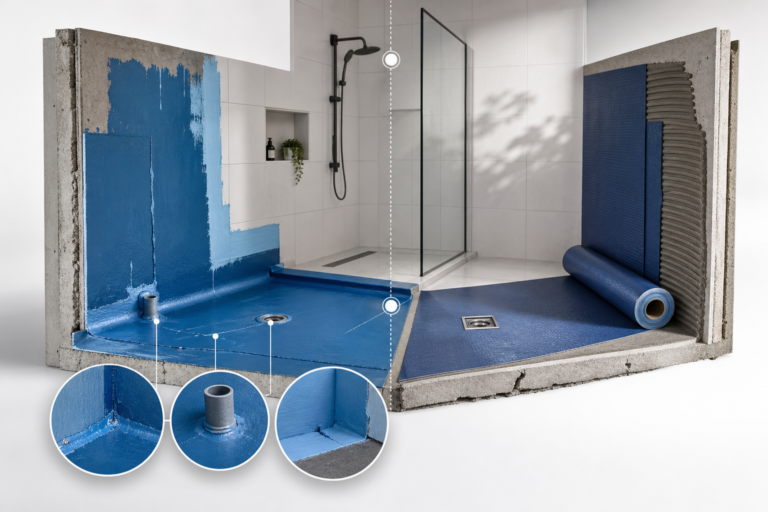
Waterproofing Membrane Types: Which Fails Most in NSW Bathrooms
Waterproofing failure is the single most common serious defect found in NSW apartments, and the type of membrane used, along
Read More »
Building Certifier NSW: Role, Limits, and When You Need More
A building certifier in NSW is a registered professional who issues construction certificates, conducts critical stage inspections, and grants occupation
Read More »