
How a Builder Should Respond to an NCAT Claim: Checklist
Receiving an application from the NSW Civil and Administrative Tribunal is never a pleasant surprise. A homeowner has lodged a claim about your work, and the matter is now formal. Payment disputes, defective work, incomplete work, damage to other structures: any of these can bring a claim to NCAT. How you respond in the first few weeks will shape the entire proceeding, so it pays to work through the process methodically.
This checklist sets out the practical steps a builder should take after receiving an NCAT claim, from reading the application to preparing evidence and considering cross-claims.
What NCAT Can Hear and Decide
NCAT resolves disputes about residential building work in NSW under the Home Building Act 1989. Home building cases are managed through NCAT’s Consumer and Commercial Division. That division deals with the bulk of residential building disputes in the state, including claims from homeowners about the quality of work and claims from builders about unpaid amounts.
NCAT can make orders in home building cases including:
- Payment for home building work or services
- Incomplete or defective home building work
- Supply of specialised work (electrical, plumbing, gasfitting, air conditioning etc)
- Damage caused to other structures by home building work
- Insurance claim appeals
Those orders can be enforced. If the applicant can prove their claim, NCAT may make enforceable orders against you as the respondent. That fact alone should shape how seriously you treat the application from day one.
Step 1: Check Your Response Deadline
When a homeowner lodges a building defects claim with NCAT, the builder receives the claim and typically has 21 days to respond. That window is not a suggestion. If you let it pass without action, the matter can proceed without your input, and the tribunal may make orders based on the applicant’s evidence alone.
Diary the date immediately. Work backwards from that deadline and allow time for legal advice, document gathering, and any settlement discussions you want to hold before filing a response.
Step 2: Read the Application Carefully
Before you do anything else, read the application in full. Identify exactly what the homeowner is claiming and what orders they are seeking. A claim might list specific defects, incomplete work, damage caused by work, or amounts allegedly owing. The orders sought will tell you what is at stake, whether that be payment, rectification work, or both.
Make notes on each allegation and compare them against your own records. Photographs, contracts, variations, emails, text messages, and inspection reports will all be relevant. The earlier you start matching evidence to allegations, the easier your defence will be to prepare.

Step 3: Consider Settlement Before the Hearing
One of the three key options available to a builder after receiving an NCAT notice is to settle the dispute pre-hearing. NCAT itself encourages parties to consider contacting the applicant and trying to settle. That does not mean admitting liability. It means having a realistic conversation about whether the dispute can be resolved more quickly and cheaply than a contested hearing.
Settlement can take many forms. You might agree to rectify particular items of work, negotiate a payment amount, or agree on a process for an independent assessment. If a settlement is reached, make sure the terms are documented clearly so both parties understand what has been agreed.
Step 4: Get Legal Advice Early
If you are a builder involved in a dispute before NCAT, or you believe a dispute may arise, it is important to seek legal advice before responding to the claim. A lawyer with experience in construction disputes can assess the strength of the claim, identify procedural risks, and advise on whether defence, settlement, or cross-claim is the better path.
Cost is a real consideration. A good construction lawyer will usually charge in the range of $400 to $600 an hour. That may sound steep, but the cost of defending a poorly prepared response, or of facing adverse orders you could have avoided, can be far higher. For many builders, a focused initial consultation provides enough direction to respond effectively.
Step 5: Decide How You Will Respond
After reviewing the claim and taking advice, you need to choose your approach. Broadly, there are three key options:
- Settle the dispute pre-hearing, if a reasonable agreement can be reached
- Prepare for the hearing with evidence that responds to each allegation
- Do nothing and risk adverse orders being made against you
The third option is rarely in anyone’s interests. If the applicant can prove their claim, NCAT may make enforceable orders against you. Responding, even when you believe the claim has no merit, is the only way to put your side of the story before the tribunal.

Step 6: Prepare Your Evidence Early
Evidence is the heart of any NCAT building dispute. The tribunal will make its decision based on the material before it, so your documentary record needs to be organised and complete. Gather every document that relates to the job: the building contract, variations, progress claims, payment records, emails, text messages, and photographs of the work at various stages.
If the claim involves defects, consider whether an independent building inspection or expert report is needed. A well-prepared response that addresses each allegation with supporting material puts you in a far stronger position than a bare denial. Expert evidence can also help the tribunal understand technical issues, particularly where the parties disagree about the cause or extent of damage.
Step 7: Consider a Cross-Claim
Being on the receiving end of a claim does not mean you are limited to defending it. NSW builders can pursue cross-claims for unpaid invoices and contribution claims whilst defending defects disputes through NCAT. If the homeowner owes you money for work completed, or if another party shares responsibility for the issues alleged, a cross-claim may be the right strategic move.
A cross-claim needs to be prepared and filed properly, with the same care as your defence. The timelines can be tight, so raise the possibility with your lawyer early. A cross-claim can also change the dynamics of settlement, because it puts the homeowner’s own position under scrutiny rather than leaving you purely on the back foot.

What Happens If You Do Nothing
The consequences of ignoring an NCAT application can be serious. The applicant has applied to NCAT to resolve the dispute, which may result in enforceable orders being made against you if the applicant can prove their claim. If you do not respond, the tribunal may proceed on the available evidence and make orders in the applicant’s favour without hearing your side.
That outcome can include orders for payment, rectification of defective work, or other remedies within NCAT’s powers. Responding within the 21-day window, even with a brief notice of intention to defend, protects your position while you prepare a full response.
Practical Checklist for Builders
| Task | Purpose |
|---|---|
| Diary the 21-day response deadline | Ensure you respond in time and avoid default orders |
| Read the application and note each allegation | Understand the claim and the orders sought |
| Gather contracts, records, photos and emails | Build the evidence file for your defence |
| Contact the applicant to explore settlement | Resolve the dispute pre-hearing if possible |
| Take legal advice before responding | Understand risks, options and strategy |
| Consider a cross-claim for unpaid invoices | Protect your own financial position |
| File your response before the deadline | Keep the matter on track and avoid adverse orders |
Frequently Asked Questions
How do I respond to an NCAT application?
You need to respond within the timeframe set out in the application, typically 21 days for a home building claim. Start by reading the claim and gathering your records. Take legal advice before filing anything. You can also contact the applicant to try to settle the dispute before the hearing. Responding preserves your right to put your side of the case to the tribunal.
Which party is called the respondent in an NCAT hearing?
The respondent is the party against whom the application has been made. If a homeowner lodges a claim against you, you are the respondent and the homeowner is the applicant. NCAT’s information for respondents explains that the applicant has applied to resolve a dispute that may result in enforceable orders being made against you if the claim is proven.
Are NCAT orders legally binding?
Yes. NCAT can make enforceable orders in home building cases, including orders for payment, rectification of incomplete or defective work, and other remedies. If the applicant proves their claim, enforceable orders may be made against you as the respondent. This is why responding properly and preparing evidence matters so much.
Facing an NCAT claim is demanding, but a structured response gives you the best chance of a fair outcome. Act within the deadline, take advice early, and put your evidence in order. If you need support preparing expert reports, Scott Schedules, or technical evidence for your defence, a building consultancy with experience in NCAT proceedings can help you build a clear and credible case.

Related Posts

Water Damage in Homes: How to Track Down the Source
Water damage in a home rarely announces itself at the source. A stain on the ceiling, a musty smell in
Read More »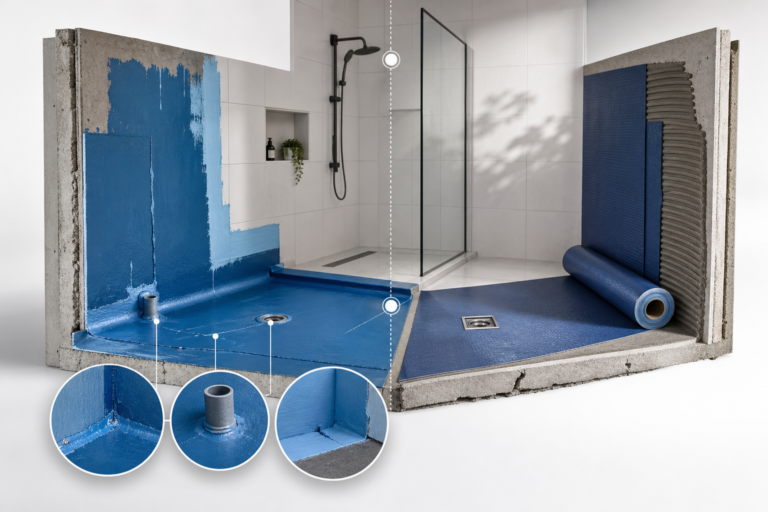
Waterproofing Membrane Types: Which Fails Most in NSW Bathrooms
Waterproofing failure is the single most common serious defect found in NSW apartments, and the type of membrane used, along
Read More »
Building Certifier NSW: Role, Limits, and When You Need More
A building certifier in NSW is a registered professional who issues construction certificates, conducts critical stage inspections, and grants occupation
Read More »