
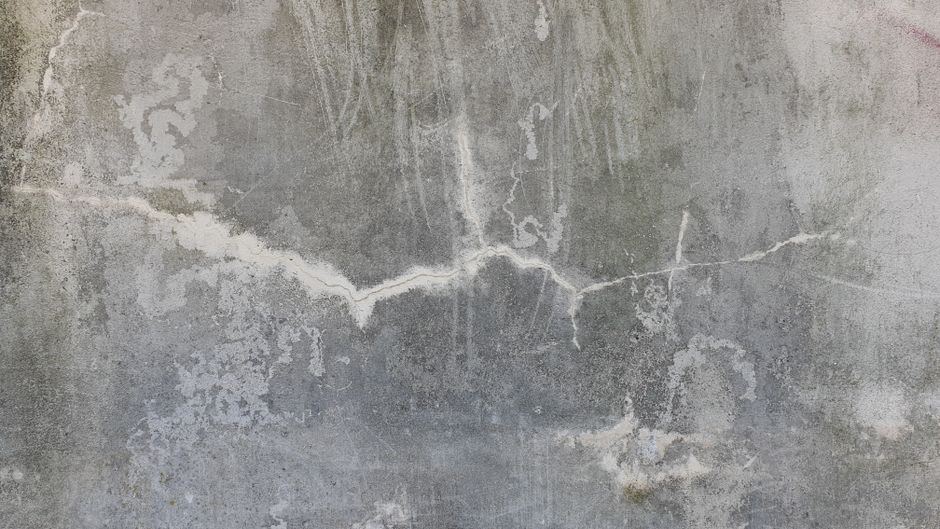
Finding a crack in the wall of a brand new house can be unsettling. After investing so much time and money, any imperfection feels like a potential problem. Yet hairline cracks in new homes are among the most common observations reported by building inspectors across Australia. Understanding the difference between normal settlement and a developing structural issue is key to protecting your investment and your peace of mind.
This article explains why hairline cracks appear, how to tell if a crack is serious, and what practical steps you can take if you are a homeowner in New South Wales. We aim to help you decide when to simply monitor the crack and when to call in a professional.
What Are Hairline Cracks?
Hairline cracks are tiny, narrow cracks that are usually less than 1 mm wide. They generally remain on the surface and do not penetrate deeply into the building structure. In most cases these cracks are superficial, meaning they affect only the plaster or paint finish rather than the load-bearing elements of your home.
These small cracks are common after handover and often appear as the home settles and materials expand, contract and adjust to their environment. You might spot them around the corners of door frames, along skirting boards, at the joints of architraves, or on ceilings directly underneath joists. In many newly built homes, some hairline cracking is considered normal and not a sign of a defect.
Why Do Hairline Cracks Appear in New Homes?
New homes go through a natural period of adjustment after construction. Several factors contribute to the appearance of hairline cracks during the first 12 to 24 months.
Building Settlement
Every new home sits on ground that has been excavated and filled. Over time the soil beneath the foundations compresses and settles under the weight of the structure. Settlement cracks are the home’s way of adjusting to the ground beneath it. This settling process is usually gradual and causes only minor, stable cracks in non-structural elements like plasterboard.
Material Drying and Shrinkage
Plaster, concrete, and timber all contain moisture when first installed. As they dry out, they shrink slightly. Plasterboard joints, in particular, can develop fine cracks as the compound dries and contracts. Vertical cracks commonly appear in newly plastered walls as the plaster dries and settles. This is a normal part of the curing process and typically stops once the materials have fully dried.
Temperature and Humidity Changes
Building materials expand when it is hot and contract when it is cool. Seasonal changes in temperature and humidity can cause slight movement in walls and ceilings. This cyclic expansion and contraction can create hairline cracks at weak points, such as where two different materials meet or at the corners of openings. These cracks often open and close with the seasons but remain stable overall.

Hairline Cracks vs Structural Cracks
Not all cracks are the same. It is important to know the difference between harmless hairline cracks and more concerning structural cracks. The table below summarises the key differences based on common building inspection criteria.
| Feature | Hairline Crack (Usually Non-Structural) | Structural Crack (Potentially Serious) |
|---|---|---|
| Width | Less than 1 mm | Wider than 5 mm |
| Depth | Shallow, surface only | Deep, may penetrate brickwork or slab |
| Shape | Thin, straight or slightly wavy | Diagonal, stepped, or irregular |
| Location | Plasterboard, cornices, skirting | Load-bearing walls, foundations, brickwork |
| Stability | Stable, does not widen over time | May grow, widen, or multiply |
| Associated signs | None | Sticking doors, sloping floors, cracks in brickwork |
If a crack fits the description on the right, or if you are unsure, it is wise to have it inspected by a qualified building consultant rather than assuming it is harmless.
When to Worry About Cracks in a New Home
While most hairline cracks are nothing to worry about, there are specific signs that warrant closer attention. You should consider seeking professional advice if you notice any of the following:
- Cracks wider than 5 mm
- Diagonal or stepped cracks that pass through bricks or mortar joints
- Cracks that get noticeably larger or longer over a period of weeks or months
- Cracks that appear on both the inside and outside of an external wall in the same location
- Sticking doors or windows that were previously easy to open, indicating movement in the frame
- Cracks in concrete slabs, particularly if they are associated with uneven floors or water ingress
These signs may indicate foundation movement or other structural issues that require investigation. In New South Wales, if you suspect a structural defect, you may need to engage a building consultant to prepare an expert report for discussions with your builder or for proceedings at the NSW Civil and Administrative Tribunal (NCAT).

What to Do About Hairline Cracks
If the cracks in your new home are genuine hairline cracks less than 1 mm wide and stable, there is a sensible approach that most builders and inspectors recommend.
Wait for Full Settlement
It is normal to have hairline cracks in a brand new house. Many experienced renovators and builders advise waiting at least one year for the home to fully settle before taking any action. During this period the house will go through a full cycle of seasons, and most movement will have occurred. Patching cracks too early may result in new cracks appearing later, leading to repeated and unnecessary repairs.
Avoid Immediate Repainting
If you have vertical cracks in newly plastered walls, avoid repainting them straight away. The paint will not stop the crack from moving if the material is still drying and shrinking. Instead, allow the plaster to fully cure over several months. After the settlement period, you can have the cracks filled, sanded, and repainted for a clean finish.
Document the Cracks
Take dated photos of any cracks you notice. Measure their width with a ruler or a crack-width gauge. Note whether they change over time. This documentation can be useful if you need to make a warranty claim or if you decide to engage a building consultant later. Keeping a simple log of dates, locations, and measurements is good practice for any new homeowner.
Contact Your Builder After the Settlement Period
Many builders include a rectification period in their contracts, often around 12 months after handover. After the home has settled, you can request the builder to patch the hairline cracks at no cost. While this is common practice, coverage depends on the specific terms of your building contract. It is best to check your contract and discuss the process with your builder directly.
When to Call a Building Consultant
If you are concerned about any crack, or if the builder disagrees that a crack needs repair, a building consultant can provide an independent assessment. In NSW, building consultants specialise in inspecting defects, preparing expert witness reports, and supporting homeowners through dispute resolution at NCAT or in court.
Signs it may be time to call a professional include:
- The crack is wider than 5 mm or growing
- You see cracking in multiple locations that seems systematic
- Your builder has refused to investigate or repair the crack
- The crack is accompanied by other signs such as doors not closing properly
- You are approaching a legal deadline for making a claim
An independent consultant can provide a written report that explains the cause of the crack, whether it is structural, and what repairs are needed. This report can form the basis of a Scott Schedule or be used as evidence if the matter proceeds to a tribunal or court.
Frequently Asked Questions
Are hairline cracks in a new home normal?
Yes, hairline cracks are common in new homes. They usually result from the natural settlement of the building and the drying and shrinking of materials such as plaster. In most cases they are superficial and not a sign of a structural problem. Waiting a year before patching is the typical approach recommended by builders and inspectors.
How wide is too wide for a crack in a new home?
Hairline cracks less than 1 mm wide are generally not a concern. Cracks wider than 5 mm, however, should be investigated by a professional. The shape and location of the crack also matter. Diagonal or stepped cracks, even if narrow, may indicate movement in the structure and should be checked.
Will my builder fix hairline cracks for free?
Many builders will patch hairline cracks after the first year as part of their post-construction service, but this depends on the terms of your building contract. It is common practice for builders to carry out one round of cosmetic rectification after the home has settled. You should review your contract and contact your builder to confirm what is covered.
Should I repaint over a hairline crack straight away?
No, it is best to wait. If the crack is caused by ongoing drying or settlement, painting over it will not stop further movement and the crack may reappear. Allow the home to settle for at least 12 months, then have the cracks filled, sanded, and repainted for a lasting finish.
What should I do if the crack gets bigger?
If a crack widens, lengthens, or multiplies over time, it may indicate an underlying issue that needs professional assessment. Take dated photos and measurements, and contact a building consultant who can inspect the crack and provide an expert opinion. Early investigation can help prevent more serious problems and protect your rights under the building warranty.