
Expert Witness Reports NSW – Full Legal Guide 2026
A lot of people look for an answer only after the dispute has already gone bad.
The owner says the builder walked off. The builder says the owner kept changing the brief. The cracking got worse, the waterproofing failed, the practical completion argument turned into a payment argument, and by the time lawyers get involved everyone has a folder full of photos and a different version of what happened.
That’s usually the point where a proper expert report stops being a nice-to-have and becomes the document that gives the matter structure. In NSW, the tribunal or court doesn’t want a bundle of opinions, frustration, and screenshots. It wants an independent technical opinion that can be tested against facts, documents, site conditions, and the rules of evidence.
This guide is written from the practical end of the industry. It’s for the lawyer who needs a usable brief, the builder who wants a fair assessment, and the homeowner who needs to understand why a report matters and what a good one looks like. If you’re searching for Expert Witness Reports NSW – full legal guide, the core question is usually simpler. What kind of report helps win a building dispute, and what kind falls apart under scrutiny?
When a Handshake Is No Longer Enough
Most building disputes don’t start in a courtroom. They start on site, over text messages, at a kitchen bench, or with a conversation that ends with, “We’ll sort it out later.”
Then later arrives.
A homeowner notices movement in a retaining wall and is told it’s normal settlement. A builder is accused of defective tiling when the substrate and falls were never properly documented. A strata committee has water ingress in multiple units and five different trades have already blamed each other. Everyone thinks they’re being reasonable, but nobody is working from the same technical facts.
That’s where an expert witness report changes the temperature of the dispute. It takes the matter out of the realm of allegation and puts it into evidence. Instead of “I think”, “he said”, or “our tradesman told us”, the tribunal gets a report built on inspection, records, observations, assumptions stated openly, and a reasoned opinion.
A building dispute usually turns on two things. What the expert saw, and how clearly the expert explains why it matters.
In practice, a report does several jobs at once. It identifies defects or incomplete work. It separates cosmetic complaint from genuine non-compliance. It records what was available for inspection at the time. It also creates a technical pathway for later steps such as scope of rectification, response evidence, or a Scott Schedule.
Not every dispute needs one at the first sign of trouble. But once the matter moves toward NCAT or court, or where the issues are technical enough that a decision-maker needs specialist assistance, a properly prepared expert report often becomes the centrepiece of the case.
The hard part isn’t just getting a report. It’s getting one that is objective, testable, and useful.
The Legal Framework for NSW Expert Reports
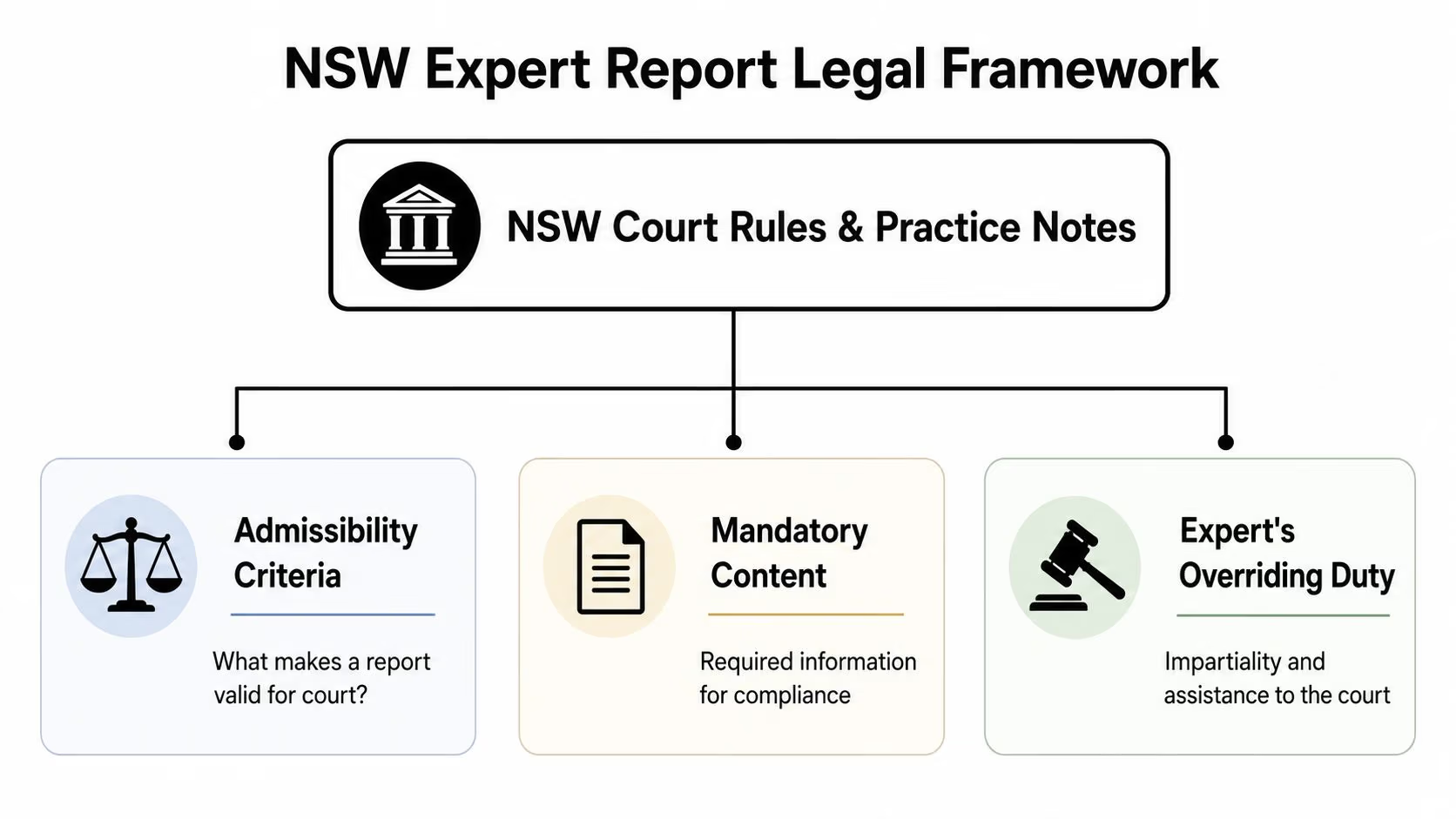
A report can be technically detailed and still fail if it doesn’t meet the NSW rules. That’s the point many people miss. In NSW, expert evidence isn’t accepted because the author sounds experienced. It must satisfy legal requirements about duty, basis, and reasoning.
The duty is to the tribunal or court
In New South Wales, expert witness reports used in court or tribunal settings must comply with the Expert Witness Code of Conduct in Schedule 7 of the Uniform Civil Procedure Rules 2005 (NSW), and NSW legal commentary notes that a non-compliant report may be inadmissible under r 31.23, as discussed in the NSW expert witness code requirements and the Law Society Journal’s discussion of briefing experts in NSW matters.
That duty changes the whole approach. The expert is not there to advocate for the client. The expert is there to assist the decision-maker with independent opinion evidence within the expert’s field.
If the report reads like submissions dressed up as engineering or building opinion, it weakens quickly.
Specialised knowledge is the gateway
A second rule sits underneath everything else. NSW guidance on expert evidence explains that the opinion must be the product of specialised knowledge and be wholly or substantially based on that knowledge. Commentary discussing Makita (Australia) Pty Ltd v Sprowles and Dasreef Pty Limited v Hawchar makes the point clearly. The expert must identify the factual basis for the opinion and show the reasoning path to the conclusion, otherwise admissibility is at risk, as outlined in this summary of expert opinion and common knowledge in NSW evidence.
That matters in building cases because loose conclusions are common. “The work is defective” is not an expert opinion worth much on its own. The report has to show what was inspected, what facts were relied on, what standard or technical principle was applied, and how the expert moved from observation to conclusion.
Practical rule: Credentials open the door. Reasoning keeps the report in evidence.
What the framework means on the ground
For lawyers, this means the brief must ask the right technical questions and provide the documents the expert needs.
For builders, it means a fair report should show its workings, not just criticise outcomes.
For homeowners, it means the strongest report is rarely the most aggressive one. It’s the one that a tribunal member can follow.
A good example is a retaining wall dispute. The argument might involve drainage, footing support, surcharge, movement, workmanship, and design responsibility. If you’re dealing with that kind of issue, a practical background read on the guide to Australian retaining wall legalities can help frame the regulatory side before expert evidence tackles the technical cause and effect.
Anatomy of a Powerful Expert Witness Report
A persuasive report has structure. Not because structure looks professional, but because each section answers a question the tribunal will ask.
What must be in the report
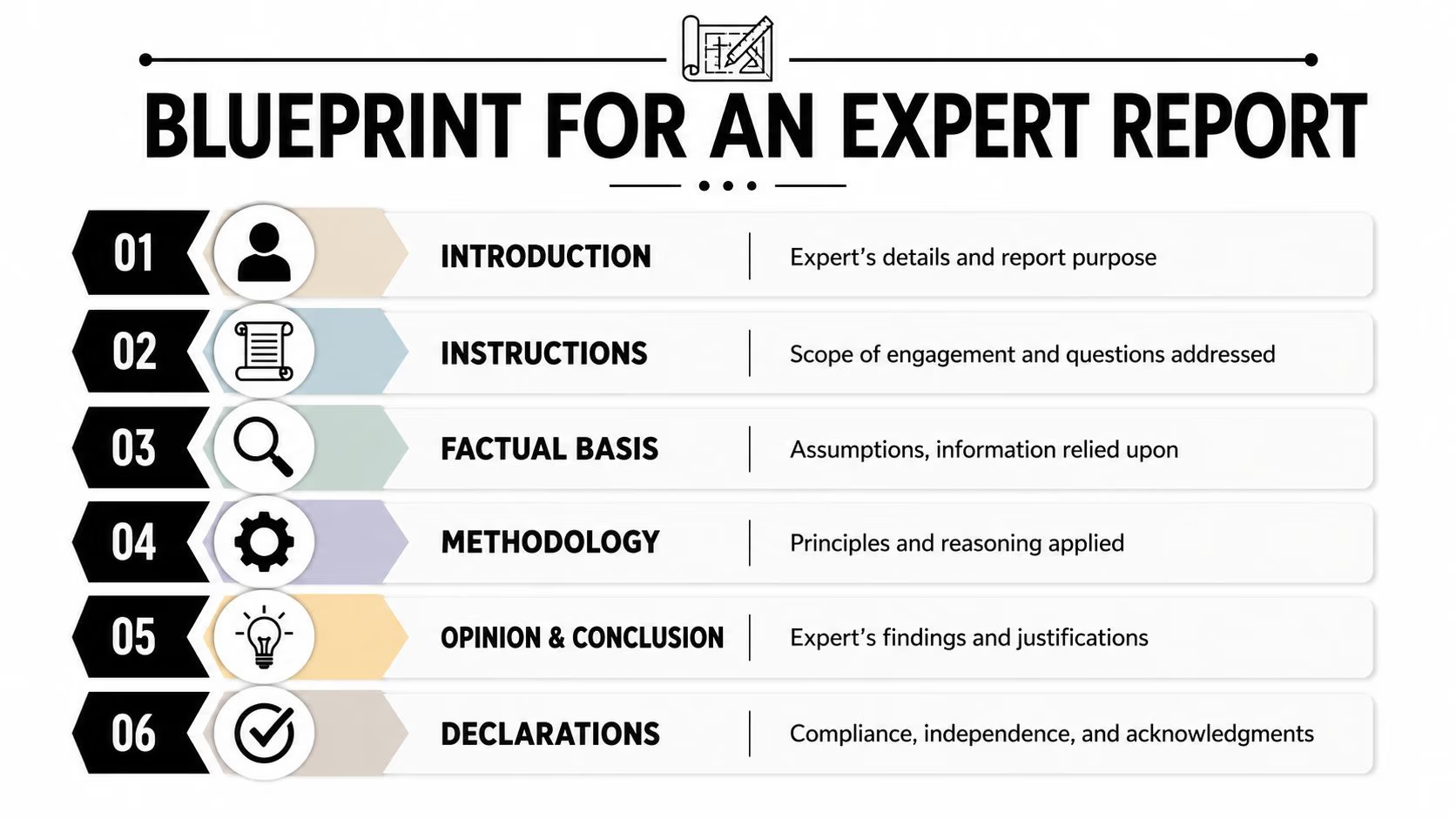
In NSW, an expert witness report must do more than state a conclusion. It should disclose the qualifications, the facts and assumptions relied on, the method of investigation, and the reasoning chain linking observations to opinion, because expert evidence can be excluded or given little weight if the factual basis is not fully disclosed under the NSW framework, as explained in this overview of what an expert witness report should contain.
That sounds legalistic, but on site it is very practical. A proper report usually includes:
- Expert details and expertise: Who the expert is, their relevant trade, consulting, inspection, and dispute experience, and why that experience fits the issues in dispute.
- Instructions received: What the expert was asked to do, what questions are being answered, and what falls outside scope.
- Documents reviewed: Plans, specifications, contracts, variations, emails, photographs, invoices, prior reports, certificates, and correspondence.
- Site inspection record: Date, conditions, areas inspected, who attended, access limitations, and what could not be seen.
- Findings of fact: Observable conditions, measurements, visible damage, incomplete items, sequencing problems, moisture indicators, movement, and workmanship issues.
- Assumptions and limitations: What the expert had to assume, what documents were missing, whether finishes concealed elements, and whether destructive inspection was not performed.
- Opinion and reasoning: The technical analysis itself. Weak reports commonly fail at this point.
- Declarations and code compliance: Confirmation of independence and compliance requirements.
The evidence set has to be auditable
The strongest building reports are built on a record another person can test.
A technically sound NSW building defect report should include an auditable evidence set such as inspection notes, photographs or video, drawings, contracts, prior reports, correspondence, and a documented assumptions list, because that supports the factual foundation the tribunal can assess and helps with later rectification scoping and costing, as discussed in this guide to an expert witness report template in Australia.
Here’s the practical difference between a weak brief and a useful one:
| Weak foundation | Strong foundation |
|---|---|
| Selected photos only | Full photo sequence with context |
| No site notes | Dated inspection notes |
| General complaints | Defects tied to location and element |
| Unstated assumptions | Assumptions listed clearly |
| Conclusion first | Facts, method, then opinion |
A lot of disputes are lost in the preparation stage. The report writer can’t fix missing records by sounding more confident.
Here’s a short visual explanation of what lawyers and clients often miss when they commission a report:
Where the Scott Schedule fits
In building matters, the report often isn’t the only document doing the heavy lifting. A Scott Schedule is the working document that breaks the dispute into manageable parts.
It commonly lists:
The item in dispute
For example, balcony waterproofing, brickwork cracking, incomplete joinery, or slab levels.The claimant’s position
What is alleged to be defective, incomplete, or non-compliant.The respondent’s response
Whether the item is admitted, denied, partly admitted, or said to be outside scope.Expert comment
The technical opinion on defect, cause, standard, and rectification pathway.Rectification scope and costing basis
If required, what needs to be done and the basis for pricing.
This format matters because NCAT and the parties need issue-by-issue clarity. Broad accusations don’t help much once a matter gets procedural.
Selecting Your Expert The Right Way
A builder says the crack is cosmetic. The owner says the footing has failed. The lawyer wants to know who can sort out cause, responsibility, and rectification without drifting into advocacy. That decision starts with the expert, and a poor choice at this point is hard to recover from.
A weak expert can produce a polished report that adds heat and very little proof. A good one narrows the live issues, inspects with purpose, and gives an opinion that can survive questions from the other side, the Member, and the client paying the invoice.

Experience on paper versus experience on site
In building disputes, credentials matter. Site judgment matters just as much.
An expert may know the terminology around articulation, falls, slab tolerances, brick ties, framing, or waterproofing junctions. The harder question is whether they can walk onto a compromised site, identify what was built, what was altered later, and what sequence of events probably produced the damage now in dispute. NCAT and the courts give more weight to opinions that come from careful inspection and disciplined reasoning, not from broad statements dressed up as certainty.
After decades in this field, the pattern is familiar. The stronger experts have usually seen the same defect arise from different causes. They can separate design failure from poor workmanship, poor workmanship from movement, and genuine defect from lack of maintenance being used as a shield. That distinction often decides the case.
What to check before you engage
Start with fit for purpose. A general building consultant is not automatically the right witness for every matter.
Ask questions that test whether the expert can handle the actual dispute:
- What kinds of matters do you inspect every month? Defective residential work, incomplete works, waterproofing failures, structural cracking, movement, stormwater issues, remedial works, and scope disputes each call for different experience.
- What do you do on inspection day? Look for a clear method covering documents reviewed, areas inspected, tests considered, photographs taken, and how observations are recorded.
- How do you deal with concealed work or missing records? A reliable expert marks assumptions, identifies limits on the opinion, and says what further access or documents would change the view.
- Have you written for NCAT, the District Court, or the Supreme Court? Procedure affects format, wording, and how tightly the opinion needs to stay within the brief.
- Can you give oral evidence clearly? Some experts write well and perform poorly under challenge. The tribunal sees both.
Temperament counts too. The expert who sounds aggressive in a conference often performs badly in the witness box. Calm, precise experts usually carry more weight because they answer the question asked and stay within their field.
Independence is not optional
The report should not read like submissions drafted by a partisan consultant. Once an expert starts arguing the client’s whole case, their value drops.
Look for someone who is prepared to make reasonable concessions, identify competing explanations, and say when a point cannot be resolved without opening up the work or getting more records. That restraint helps credibility. It also gives the lawyer a cleaner basis for running the case.
This point matters even more under the newer 2025 court rules dealing with generative AI in legal work. If any drafting or analysis tools are used, the expert still carries the responsibility for every opinion, source, assumption, and conclusion in the report. No serious tribunal matter should rely on machine-generated wording that the expert cannot personally verify and defend.
The brief can strengthen or weaken the opinion
Even the right expert will struggle if the instructions are loose. A proper brief should identify the pleaded issues, attach the contract and variations if they matter, include plans, photographs, prior correspondence, and set out the exact questions the expert is being asked to answer.
That saves time and usually saves money. A clearer brief reduces rework, avoids opinions outside scope, and helps the expert target the inspection. If pricing is part of your decision, this guide on the cost of a building expert witness report explains what tends to affect fees.
Awesim Building Consultants is one example of a firm that prepares site investigations, expert witness reports, and Scott Schedules for NSW building disputes. Whether you engage that firm or another consultant, the same rule applies. Match the expert’s field experience to the dispute, then brief them with enough precision to produce an opinion the tribunal can use.
Common Pitfalls That Weaken Expert Reports
Most bad reports don’t fail because of one dramatic mistake. They fail because of a string of smaller errors that make the opinion hard to trust.
The classic failures
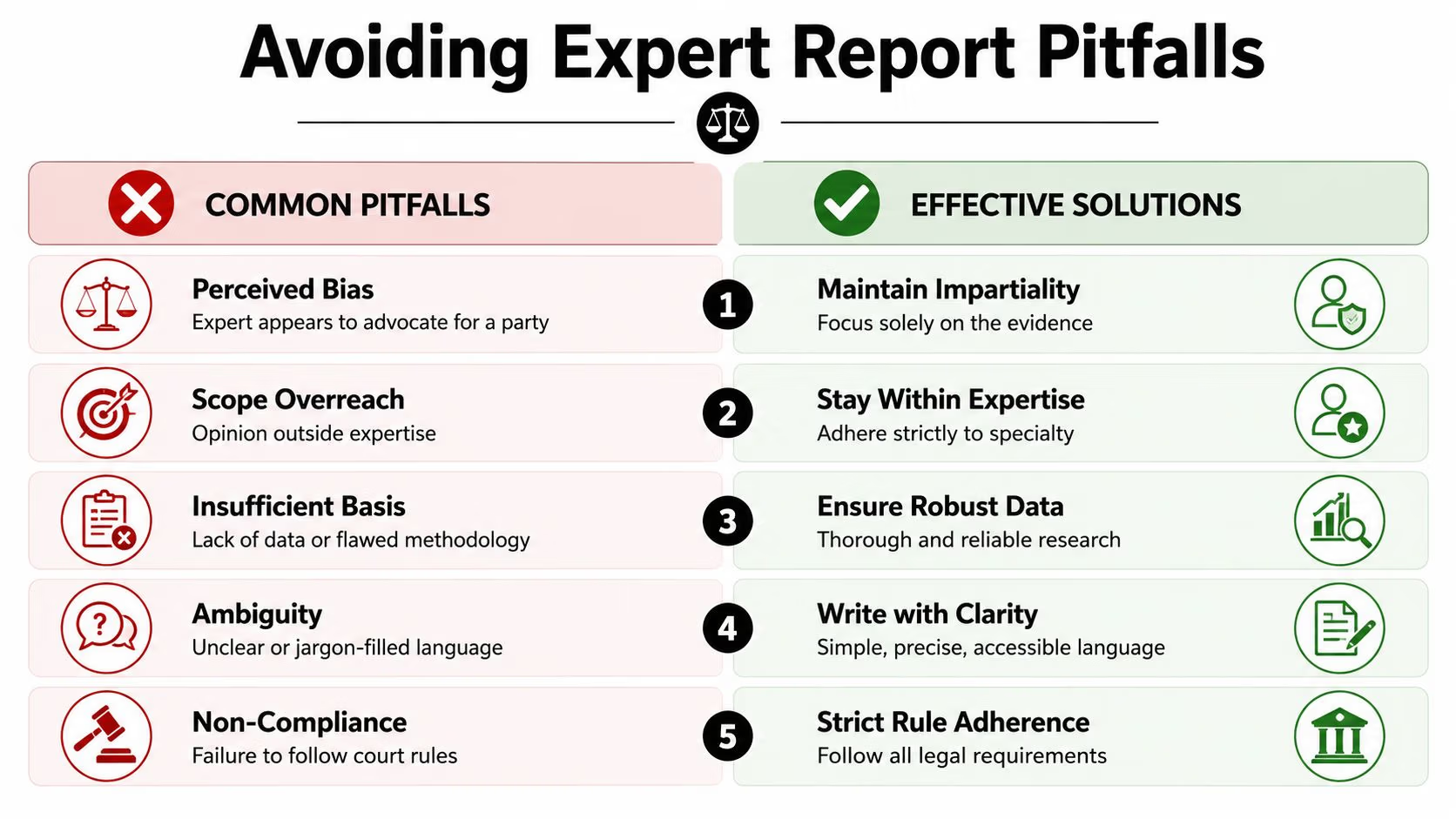
Some problems turn up again and again in NSW building matters.
- Bias dressed as expertise: The report reads as if the author is part of the legal team rather than an independent expert.
- Unstated assumptions: The expert assumes concealed framing, substrate condition, drainage detail, or installation sequence without saying so.
- No reasoning chain: The report jumps from photograph to conclusion with no explanation of the technical path.
- Scope creep: The expert comments on legal liability, contractual interpretation, or disciplines outside their own expertise.
- Poor evidence control: Photos are not dated, observations are not tied to locations, and supporting documents are incomplete.
A report can still contain useful observations and yet be weak as evidence if those issues are serious enough.
What does and doesn’t work in practice
Below is a simple comparison drawn from how these reports are received.
| Doesn’t work well | Works better |
|---|---|
| “The builder’s work is unacceptable” | Identified defect, location, basis, and reasoning |
| “It must have leaked for years” | Observed moisture evidence with stated limitation |
| “This breaches all standards” | Specific standard or technical principle applied to facts |
| Acting as a partisan | Independence maintained throughout |
| Dense jargon | Plain language that a tribunal member can follow |
Site reality: If the report can’t be followed by someone who wasn’t at the inspection, it’s not finished.
The AI issue many guides still miss
There is now a newer and very serious pitfall. Generative AI.
NSW’s Practice Note SC Gen 23, issued in November 2024 and revised in January 2025, states that generative AI cannot be used to draft or prepare expert report content without prior court approval, and if leave is granted, the expert must disclose the AI tool, version, prompts, and other records used, as discussed in this analysis of AI use in NSW expert reports and the cautious approach now required.
This changes the risk profile for report preparation. Many people assume AI is just an efficiency tool for tidying language, drafting first passes, or reshaping technical observations. In NSW expert evidence, that assumption can be dangerous.
If an expert uses AI in a way captured by the practice note and doesn’t obtain approval or make the required disclosure, the issue isn’t just style. It becomes a compliance and evidentiary problem.
The safest working approach
For lawyers and experts, the practical position is conservative.
- Keep drafting human-led: Notes, analysis, and opinion should come from the expert’s own work.
- Treat AI as controlled, not casual: Don’t assume “editing help” is automatically harmless.
- Document process carefully: If there is any proposed AI use, check the applicable court requirements first.
- Preserve original inspection material: Handwritten notes, dictated notes, marked plans, and image sets matter more than ever.
Older advice built around templates alone is already aging badly. NSW has made AI use in expert reporting a live procedural issue.
Understanding Timelines and Pricing
People usually ask two questions early. How long will this take, and what will it cost?
The honest answer is that both depend on the shape of the dispute. A simple single-issue inspection is not the same exercise as a multi-trade residential defect claim with incomplete records, access problems, and competing prior reports.
What affects timing
A realistic timeframe is shaped by the work behind the report, not just the writing.
Common variables include:
- Volume of material: Contracts, plans, emails, photographs, variations, certificates, and prior expert reports all take time to review.
- Number and spread of issues: Waterproofing, structural movement, drainage, finishing defects, and incomplete works each require different attention.
- Site access and attendance: Occupied homes, strata properties, and partially completed sites often slow inspection logistics.
- Need for further investigation: Some issues can’t be resolved from a visual inspection alone.
- Procedural deadlines: Tribunal and court timetables can compress the drafting window.
A rushed report often shows it. Important assumptions go unstated, chronology gets muddled, and the reasoning isn’t fully developed.
What affects price
Pricing usually tracks complexity, not just page count.
A consultant will generally look at the likely inspection time, document review load, travel, reporting complexity, whether a Scott Schedule is also needed, and whether the matter may proceed to conclave, joint reporting, or oral evidence. If the dispute involves hidden conditions, partial demolition, or substantial rectification analysis, that adds more work.
For a practical breakdown of the usual cost drivers, see this guide on the cost of a building expert witness report.
A sensible way to budget
It helps to think in stages rather than one lump exercise.
Initial review and scope confirmation
The expert checks the dispute type, documents available, and likely usefulness of a report.Inspection and evidence capture
Site attendance, notes, photography, measurements, and identification of any access limits.Analysis and drafting
Review against standards, drawings, contract documents, and the questions asked in the brief.Finalisation and possible follow-up
Clarifications, supplementary material, Scott Schedule input, or response to another expert.
If you want the report to hold up in NCAT or court, the cheapest path is rarely the one that saves money in the end. The useful question is whether the report is scoped properly from the start.
Frequently Asked Questions About NSW Expert Reports
What if the other party ignores the report
That happens often. A strong report still has value even if it doesn’t produce immediate agreement.
For homeowners, the next step is usually procedural rather than emotional. Put the report into the dispute process properly, whether that means pre-action exchange, NCAT filing material, or use through your solicitor. A good report can narrow issues even when it doesn’t settle the matter straight away.
What should a builder do if they disagree with the report
Don’t respond with general denial. Respond with technical specificity.
Identify the items in dispute, the facts said to be wrong, the assumptions you challenge, and any documents or site conditions the report missed. If necessary, obtain a response report from a properly qualified expert in the same area. Builders weaken their position when they attack tone instead of substance.
How should a lawyer brief a building expert
Keep the brief focused and documentary.
Include the pleadings or claim documents if available, the contract and variations, plans, relevant correspondence, prior reports, photographs, and a clear list of the questions requiring opinion. If there are known access limits or altered conditions, state that at the start rather than letting the expert discover it halfway through the inspection process.
Can an expert report help settle a matter before hearing
Yes, often it can. Not because it guarantees agreement, but because it replaces broad grievance with defined issues.
A disciplined report may show that some complaints are weak, others are well-founded, and some need more investigation. That tends to improve negotiations because each side can finally see where the technical ground is solid and where it isn’t.
Is a long report better than a short one
No. A report should be as long as the issues require and no longer.
Tribunals and courts need clarity, not padding. The strongest reports are usually the ones that are thorough in evidence and reasoning, but disciplined in language.
When should you engage an expert
Earlier than is typical.
If the site condition may change, if rectification works may cover up evidence, or if the dispute is already becoming formal, delay can cost you. Timing matters because once the physical evidence is altered, some arguments become much harder to prove.
If you’re dealing with a building dispute and need an independent technical view that can stand up in NCAT or court, Awesim Building Consultants can assist with site investigations, expert witness reports, and Scott Schedules across NSW. For enquiries, email admin@awesim.com.au or call 1800 293 746.
Related Posts
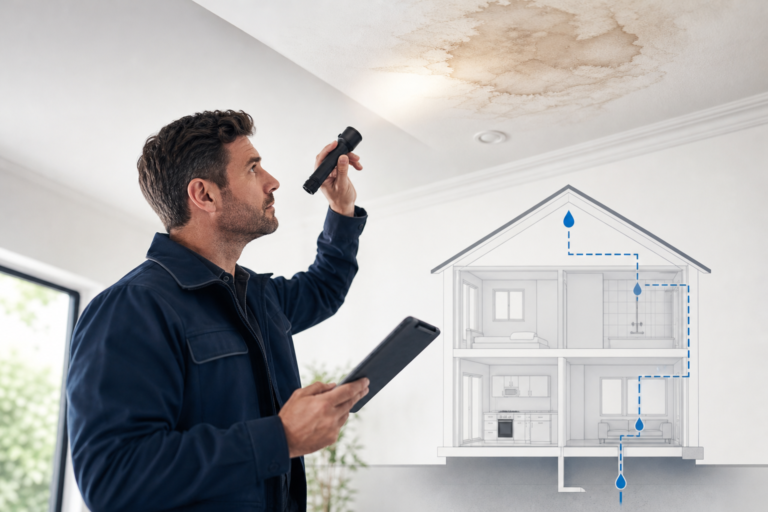
Water Damage in Homes: How to Track Down the Source
Water damage in a home rarely announces itself at the source. A stain on the ceiling, a musty smell in
Read More »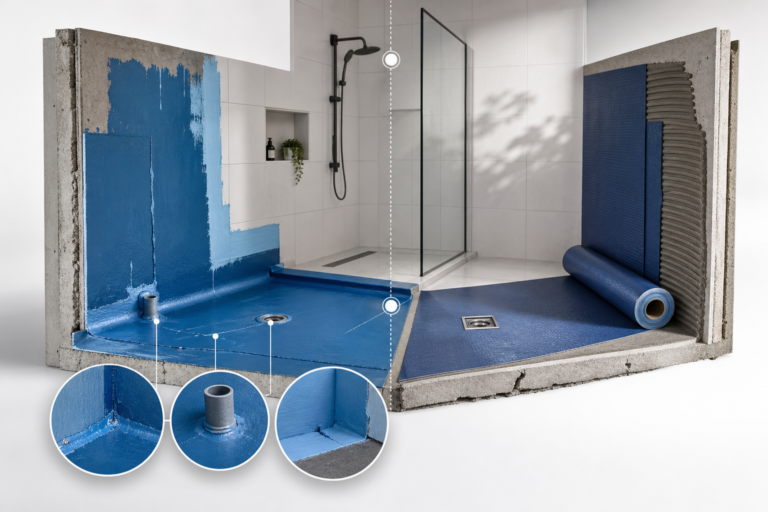
Waterproofing Membrane Types: Which Fails Most in NSW Bathrooms
Waterproofing failure is the single most common serious defect found in NSW apartments, and the type of membrane used, along
Read More »
Building Certifier NSW: Role, Limits, and When You Need More
A building certifier in NSW is a registered professional who issues construction certificates, conducts critical stage inspections, and grants occupation
Read More »