
Expert Witness Construction: Your 2026 Guide
Individuals seldom seek an expert witness in construction by choice. Instead, they do so because the build has gone off the rails.
A wall cracks after handover. Water shows up around a window or under a shower screen. The builder says it’s cosmetic. The owner says it’s defective. The solicitor has photos, emails, and a quote for repairs, but no independent technical opinion that can survive scrutiny in NCAT. That’s the point where a disagreement stops being a site argument and becomes an evidence problem.
In NSW, that distinction matters. A complaint, even a justified one, won’t carry a matter very far unless the technical issues are organised properly, tied to standards, and presented in a form the tribunal can use.
When a Building Dispute Needs an Expert Witness
A common pattern looks like this. The renovation seemed fine at practical completion. A few weeks later, cornices separate, tiles sound drummy, or damp marks appear near an external wall. The owner calls the builder. The builder says settlement, maintenance, or weather. Then the relationship deteriorates.
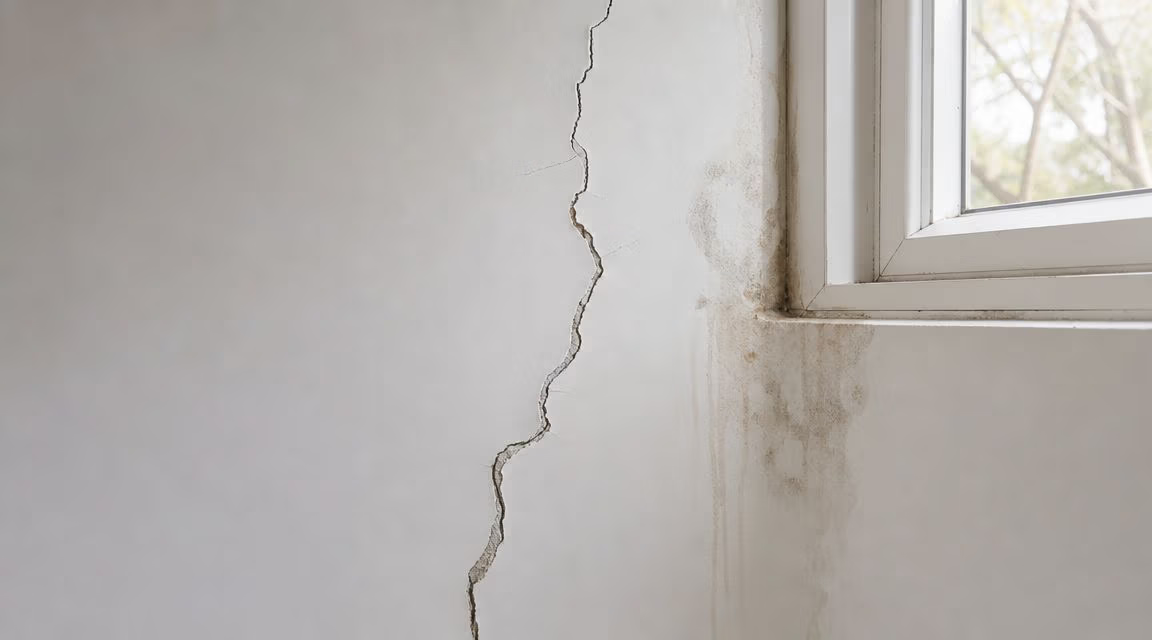
At that stage, many people make the same mistake. They collect more photos, ask another tradesperson for a verbal opinion, and assume that will be enough. It usually isn’t. A tribunal needs more than frustration and snapshots. It needs a technically grounded opinion from someone qualified to explain what was observed, what standard applied, what likely caused the problem, and whether the work complied.
The point where a defect becomes a legal issue
An expert witness is usually needed when the dispute turns on questions like these:
- Was the work defective: Not just unattractive, but below the required standard.
- What caused the defect: Design, workmanship, materials, movement, moisture entry, poor sequencing, or lack of maintenance.
- Which standard applies: The NCC, an Australian Standard, approved plans, specifications, or manufacturer instructions.
- What rectification is reasonable: Not every complaint justifies full replacement.
Practical rule: If the outcome depends on technical judgement rather than simple observation, you’re already in expert territory.
That’s one reason the role is formal, not casual. Under the Australian system described in this discussion of construction expert evidence, expert opinion is only admissible when it’s based on specialised knowledge. The same source notes the scale of the underlying industry. The Australian Bureau of Statistics reported the construction industry employed more than 1.18 million people in February 2024, which helps explain why defects, delays, and workmanship disputes keep turning up in formal proceedings.
Why independence matters early
Homeowners often want someone to “confirm they’re right”. Lawyers sometimes need a fast view before pleadings harden. Builders may want an independent review before responding to a claim. In all three situations, the best use of an expert is early and disciplined.
A good expert witness in construction doesn’t inflame the dispute. They narrow it. They separate defects from preferences, major issues from minor items, and evidence from assumption.
If you’re also dealing with programme failures and trade overlap, some broader coordination lessons sit outside the NSW tribunal context but are still useful. This guide on how to avoid construction delays in Jacksonville is a practical example of how coordination failures often start long before a dispute reaches lawyers.
What a Construction Expert Witness Actually Does
A standard inspector reports what they see. An expert witness goes further. They inspect, analyse, test the competing explanations, and express an opinion that can be challenged in a tribunal or court.
That difference is not semantic. It affects how the inspection is done, how notes are kept, how documents are reviewed, and how conclusions are written.
The expert’s duty is not to the paying party
This is the part many clients don’t expect. The expert may be engaged by an owner, builder, insurer, or solicitor, but the expert’s overriding duty is to the tribunal or court. That means the opinion must stay independent, even when the paying party doesn’t like the answer.
A proper expert witness construction brief often involves reviewing:
- Contract documents such as plans, specifications, and variations
- Site evidence including measurements, moisture impacts, finishes, junctions, and sequencing clues
- Communications like emails, instructions, defect lists, and responses
- Applicable standards that govern how the work should have been carried out
An expert who starts with the conclusion and then hunts for support is a liability, not an asset.
Standard Building Inspector vs. Expert Witness
| Aspect | Standard Building Inspector | Expert Witness |
|---|---|---|
| Primary role | Identifies visible issues for the client | Provides independent opinion for tribunal or court use |
| Duty owed | Practical service to the client | Overriding duty to the tribunal or court |
| Report style | General observations and recommendations | Structured reasoning, facts, assumptions, methodology, and opinions |
| Use in litigation | Sometimes informative | Prepared to be tested in an adversarial process |
| Standards analysis | Often limited or broad | Must connect conclusions to the relevant standards and evidence |
| Cross-examination readiness | Usually no | Yes |
What the work actually involves
On a real matter, the task usually includes much more than walking through a property with a camera. The expert must decide what they can truthfully say, what they can’t say, and what further material is needed before an opinion is safe.
That may include a staged approach:
- Preliminary review of the documents to identify the core issues.
- Site inspection focused on defect location, extent, probable cause, and consistency with the records.
- Opinion formation based on specialised knowledge, not advocacy.
- Report preparation in a form that can be relied on in NCAT or court.
When people talk about expert witness construction work as if it’s just “an inspection plus a report”, they usually underestimate the legal burden attached to the opinion. The report must stand up after the other side, their expert, and the tribunal have all gone through it line by line.
Crafting an NCAT-Compliant Expert Witness Report
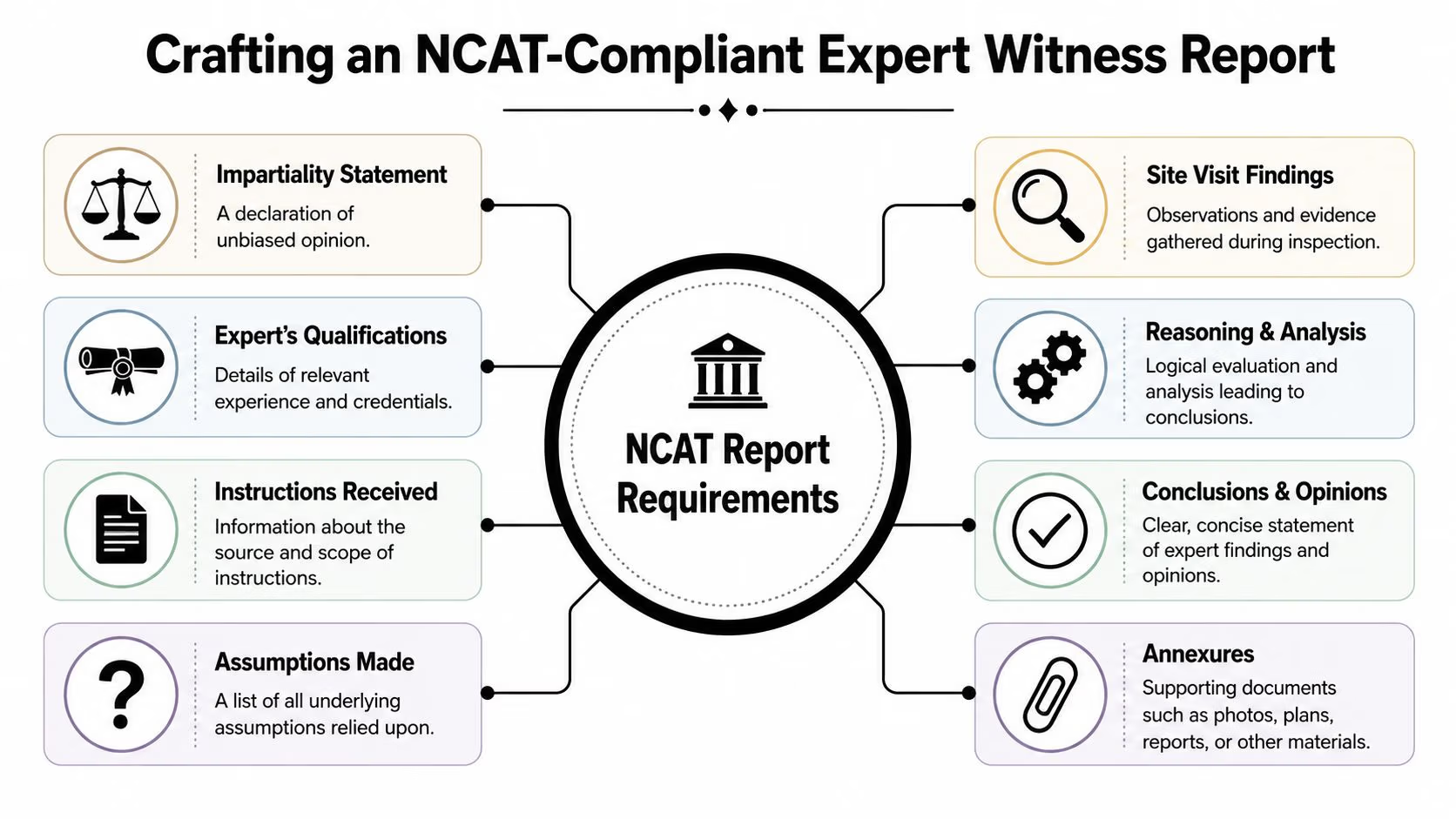
In NSW, the report isn’t just a defect list with photos attached. Its job is to convert site observations into admissible, dispute-ready evidence for NCAT, not merely to describe what looks wrong. That’s the practical gap many generic building reports never close, as noted in this overview of construction defect expert witness reporting.
The golden thread inside the report
The strongest reports follow a simple but disciplined chain:
observation -> evidence -> standard -> reasoning -> opinion
If one link is missing, the report weakens quickly. “The waterproofing is defective” is not enough. The report should identify where the issue was observed, what evidence supports that observation, what requirement applied, why the observed condition falls short, and what consequence follows from that finding.
What an NCAT-ready report should contain
A useful report for NSW proceedings usually includes the following elements.
Clear instructions and scope
The report should say who instructed the expert, what questions were asked, what material was provided, and what issues fall outside the brief. If the brief is vague, the report often wanders.
Qualifications and experience
The expert should set out the practical and technical basis for offering the opinion. This is not padding. It tells the tribunal why that witness is qualified to express views on residential construction, defects, sequencing, compliance, or workmanship.
Facts and assumptions kept separate
Observed facts should be identified as facts. Assumptions should be listed as assumptions. Opinion should not be smuggled in as if it were observation.
Common failure: The report mixes site observations, client instructions, and conclusions into one narrative, so nobody can tell what was actually seen and what was inferred.
Methodology and reasoning
The report should explain how the expert reached the opinion. That includes the documents reviewed, the areas inspected, any limitations on access, and the reasoning process. If destructive inspection was not carried out, that should be acknowledged rather than glossed over.
Standards tied to each conclusion
Many reports collapse if a defect allegation is not connected to the relevant benchmark, whether that is a code requirement, an Australian Standard, the approved plans, or manufacturer guidance. A conclusion without that link often reads as preference rather than evidence.
Annexures that help, not clutter
Photos, marked-up plans, extracts, and schedules should support the opinion. They shouldn’t bury it.
What doesn’t work in practice
Weak reports usually have one or more of these problems:
- Advocacy language: The writer sounds like a party representative, not an independent expert.
- Generic defect descriptions: The report says an item is poor or non-compliant without identifying the actual requirement.
- No location precision: A tribunal can’t work efficiently with vague references like “various cracks throughout”.
- No reasoning path: The conclusion appears, but the logic behind it doesn’t.
For readers who want to compare structure and wording against a practical model, this expert witness report template for Australia is a useful reference point.
Understanding and Using a Scott Schedule
A Scott Schedule is the document that stops a building dispute from turning into a pile of disconnected complaints. The easiest way to think of it is as a dispute scorecard. Each contested item gets its own row. Everyone’s position sits in a consistent format. The tribunal can then see, item by item, what is alleged, what is denied, and what the expert says.
That matters most when there are many defects across multiple rooms or trade packages. Without a schedule, parties tend to talk past each other.
How the schedule works
A typical Scott Schedule will organise the dispute into rows and columns such as:
- Item number so each issue has a fixed reference point
- Location identifying the room, elevation, area, or element
- Claim description stating the defect or non-compliance alleged
- Respondent’s response recording agreement, denial, or qualification
- Expert comment setting out the technical view
- Rectification note where relevant, identifying the appropriate remedy
Why tribunals and lawyers rely on it
The schedule forces discipline. It prevents broad accusations like “poor workmanship throughout” from floating around without particulars. It also reveals where the core fight is. Sometimes half the schedule is not in dispute once each row is described properly.
That has practical benefits.
| Function | Why it helps |
|---|---|
| Narrows issues | Parties can identify what is agreed and what remains in dispute |
| Improves precision | Each item is tied to a location and description |
| Helps the expert | The expert can comment row by row instead of writing around general allegations |
| Assists NCAT | The tribunal can move through the case systematically |
A well-prepared Scott Schedule often does more to clarify a dispute than a long letter of accusation.
What makes a good Scott Schedule
The best schedules use plain language, consistent item numbering, accurate locations, and short defect descriptions. They don’t try to argue every point inside the table. The table organises the issues. The report explains the reasoning.
Poor schedules usually fail because they combine several defects into one row, use emotional wording, or describe issues too loosely to inspect. “Bad tiling in bathroom” is not useful. “Hollow sounding floor tiles adjacent to shower entry” is.
If you need a practical breakdown of format and common mistakes, this guide to the Scott Schedule template is worth reviewing before the schedule is drafted.
How to Choose and Instruct a Construction Expert
Choosing an expert on price alone is one of the more expensive mistakes in this area. A cheap report that can’t be used properly often leads to a second report, more solicitor time, and a weaker position at conciliation or hearing.
Australia completed 240,813 dwellings in the year to March 2024, according to the ABS figure cited in this discussion of residential construction expert witness demand. With that volume of work, disputes over workmanship and compliance are common enough that you need someone who already understands how technical findings are tested, not someone learning on your matter.
What to look for
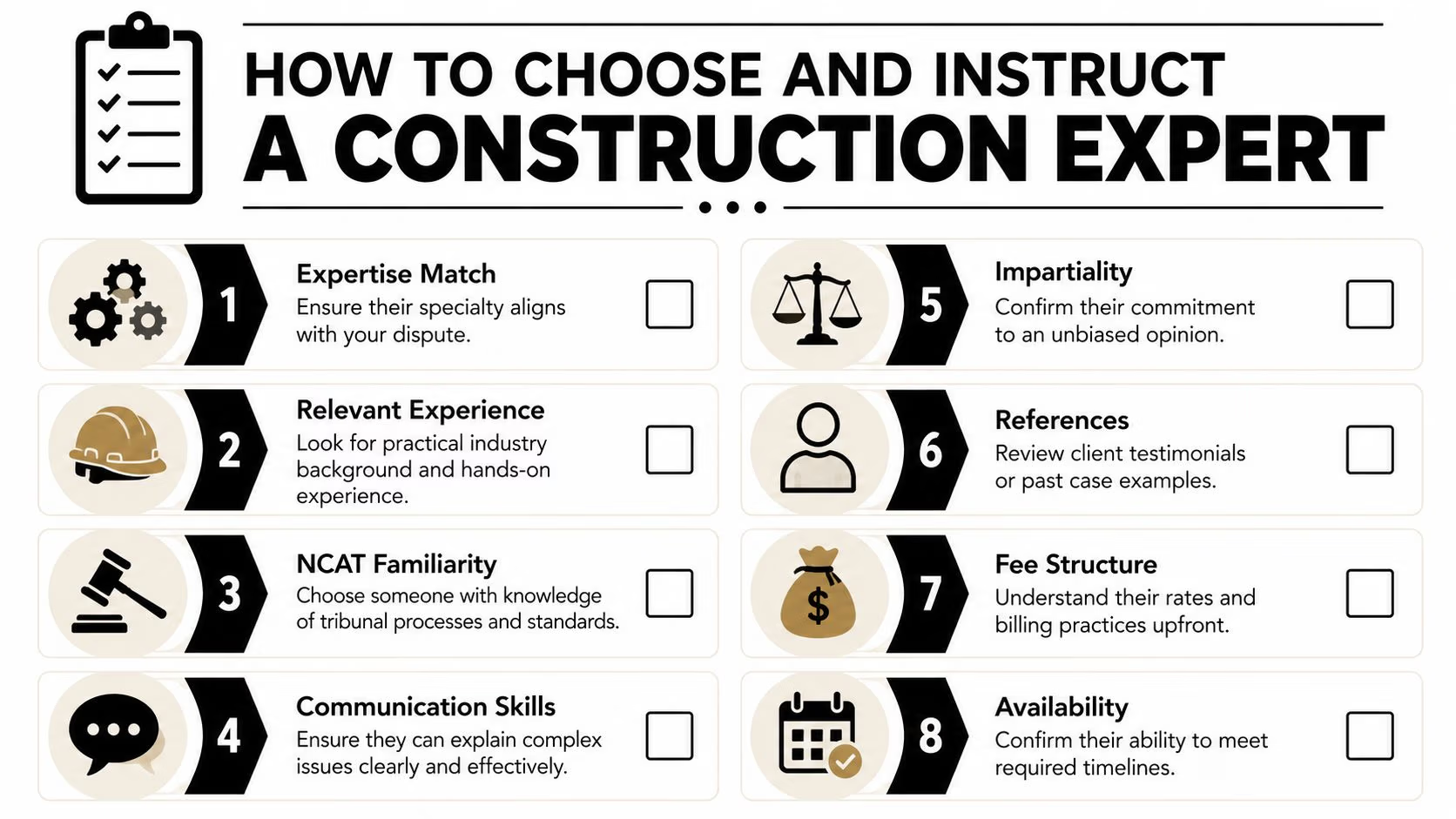
A strong expert usually has a mix of field experience and reporting discipline. Both matter. Plenty of capable tradespeople and inspectors know buildings well. Fewer can prepare a defensible expert report.
Look for these indicators:
- Relevant construction background. If the dispute is about residential waterproofing, cracking, framing, finishes, or sequencing, the expert should have direct experience in that kind of work.
- Tribunal familiarity. NCAT has its own rhythm. The expert should understand instructions, assumptions, annexures, schedules, and the discipline required for formal proceedings.
- Independence. If the expert sounds like a barrister in a hard hat, that’s a warning sign.
- Communication. A good expert explains a complicated defect in clear English without oversimplifying it.
- Practical judgement. Not every defect requires complete replacement. Not every crack is structural. Not every non-compliance has the same consequence.
How to instruct the expert properly
The quality of the brief affects the quality of the report. Good instructions are concise, chronological, and document-based.
Provide:
- The contract set including plans, specifications, variations, and relevant approvals.
- The defect list with locations and dates.
- Photos and communications in organised folders, not random screenshots.
- The legal questions if solicitors are involved.
- Access details and constraints for the site.
The clearer the brief, the less time the expert spends untangling paperwork and the more time they spend analysing the actual dispute.
One available option in NSW is Awesim Building Consultants, which provides site investigations, expert witness reports, and Scott Schedules for building disputes.
What to avoid
Don’t ask the expert to “help us win”. Ask them to assess the work objectively. Don’t drip-feed key documents after the inspection if you can avoid it. And don’t expect a reliable opinion if major parts of the project record are missing but nobody tells the expert.
The Expert Witness Process Costs and Timelines
The process usually starts with an enquiry, but the substantive work begins once the scope is defined. Cost and timing depend less on the headline dispute and more on what sits underneath it. A bathroom leak with clean records is one thing. A whole-house defect claim with incomplete drawings, multiple trades, and shifting allegations is another.
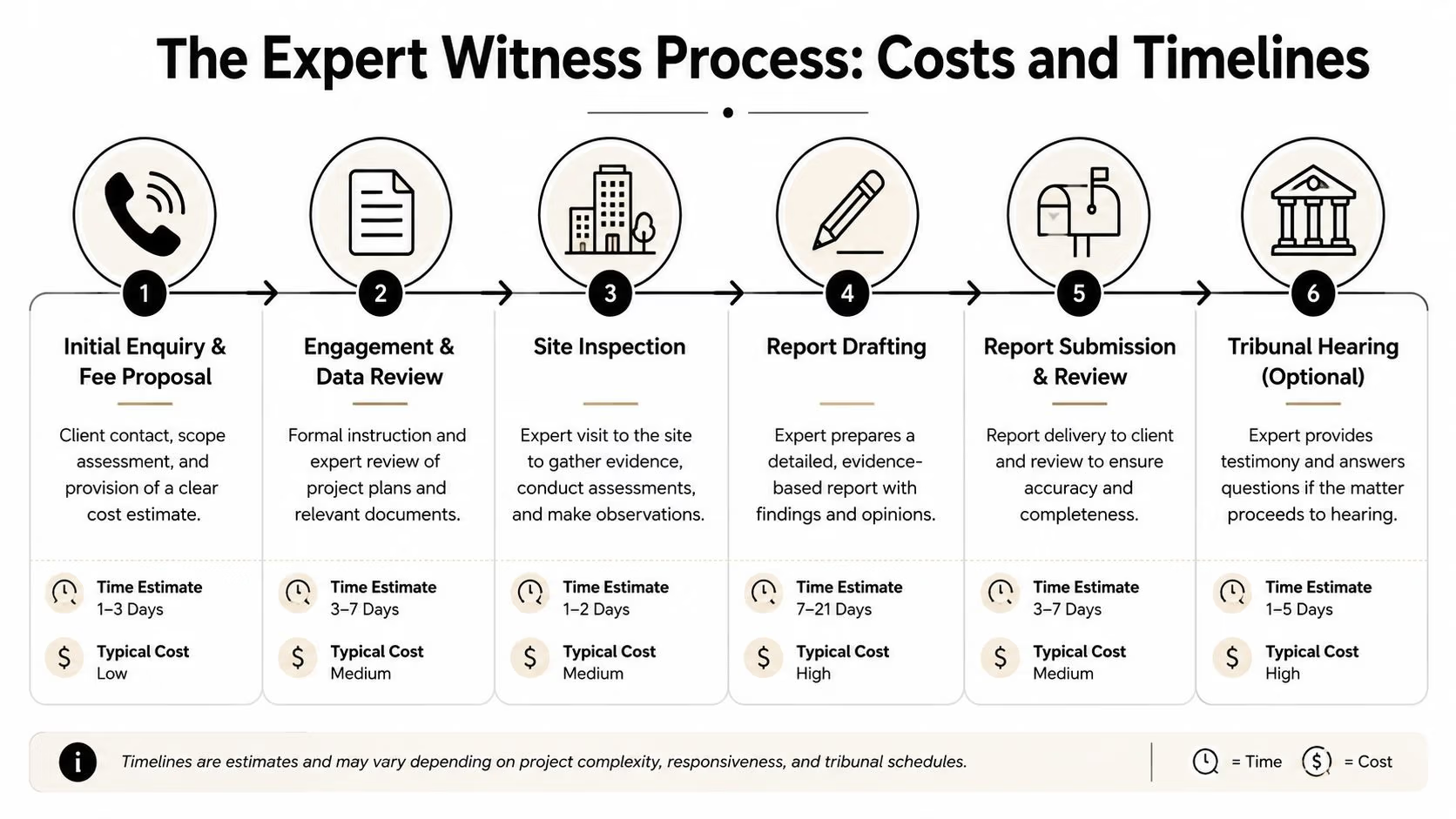
The usual sequence
Most matters follow a path like this:
- Initial enquiry and fee proposal based on the known issues, likely documents, and whether a site visit is needed
- Formal engagement and document review so the expert can identify the core questions before attending site
- Site inspection to inspect the alleged defects, relevant junctions, and surrounding conditions
- Report drafting with photos, reasoning, and supporting references
- Revision for factual accuracy if dates, names, or document references need correction
- Hearing attendance if required for conclave, conference, or oral evidence
Here’s a practical explainer before any hearing is listed:
What drives cost and delay
The biggest cost drivers are usually scope creep, poor records, access issues, and whether the report has to deal with causation rather than simple description. If the expert needs to reconcile conflicting drawings, inspect multiple areas, or answer a long Scott Schedule, the work expands quickly.
A rushed brief often costs more in the end. So does instructing the expert before the available documents have been gathered. Lawyers managing multiple matters are also increasingly using innovative legal tech platforms to organise records and workflow. That doesn’t replace the expert’s judgment, but it can reduce administrative drag.
A realistic expectation
Good expert witness construction work takes time because the report must be accurate, balanced, and testable. If a provider promises an instant answer on a complex defect dispute without seeing the records, be careful. Fast and superficial is rarely cheap once the matter reaches hearing.
Partner with Awesim for Your Expert Witness Needs
In a building dispute, the report has to do more than sound convincing. It has to be usable. That means proper inspection, disciplined analysis, clear reasoning, and a format that works in NSW proceedings.
Awesim’s background is practical rather than theoretical. The business brings more than 35 years in building and construction and more than 15 years providing litigation support to homeowners, builders, and lawyers. That matters when the dispute turns on what occurred on site, what standard applied, and how to present the evidence so it can be tested properly.
Where that experience helps
The value is strongest in matters involving:
- Site investigations where the visible damage doesn’t yet explain the cause
- Expert Witness Reports that need to be prepared for NCAT or related legal proceedings
- Scott Schedules where multiple items need to be organised into a usable dispute document
Awesim also publishes practical material that can help you understand the process before you instruct anyone. If you’re comparing report structure, the expert witness report template for Australia is helpful. If your matter involves itemised defect disputes, the definitive guide to Scott Schedule templates is also relevant.
When to make contact
If you’re a homeowner, it’s worth getting advice before the defect list becomes a bundle of general complaints. If you’re a builder, early independent review can narrow the issues before positions harden. If you’re acting for a client, a properly framed brief at the start usually saves time later.
The right expert won’t tell you what you want to hear. They’ll tell you what they can support.
If you need practical help with an NCAT-ready building dispute, contact Awesim Building Consultants for site investigations, Expert Witness Reports, or Scott Schedules. Email admin@awesim.com.au or call 1800 293 746.
Related Posts

Water Damage in Homes: How to Track Down the Source
Water damage in a home rarely announces itself at the source. A stain on the ceiling, a musty smell in
Read More »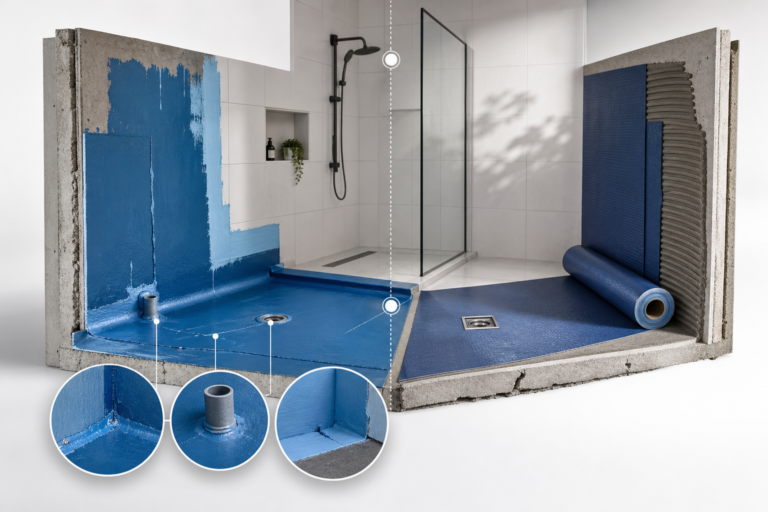
Waterproofing Membrane Types: Which Fails Most in NSW Bathrooms
Waterproofing failure is the single most common serious defect found in NSW apartments, and the type of membrane used, along
Read More »
Building Certifier NSW: Role, Limits, and When You Need More
A building certifier in NSW is a registered professional who issues construction certificates, conducts critical stage inspections, and grants occupation
Read More »