
When to Hire a Construction Consultant in NSW
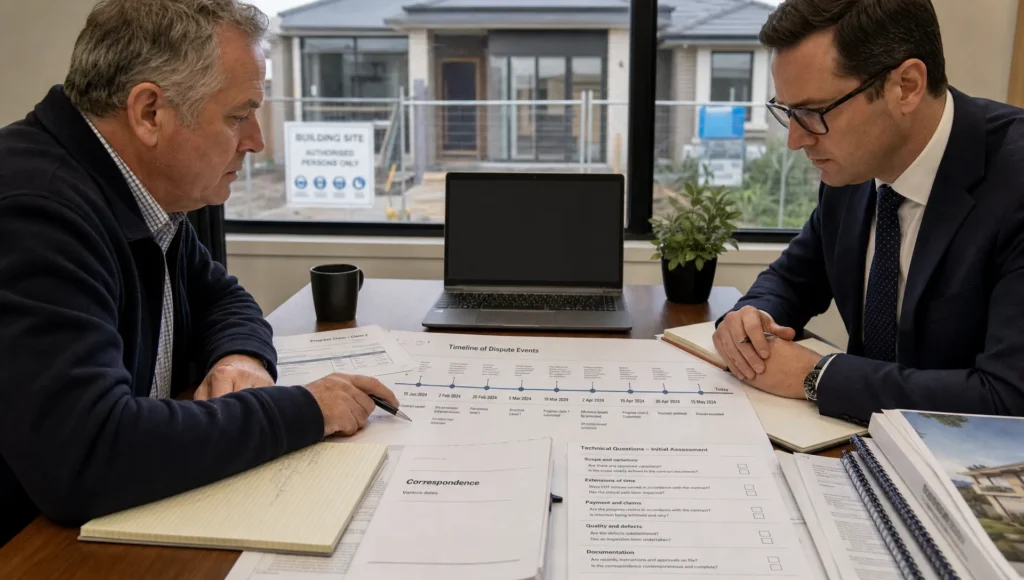
Hiring a construction consultant in NSW is not only something to consider once a dispute has already reached NCAT or court. In many building matters, the best time to get technical advice is much earlier, when the facts can still be inspected, records can be organised and the parties still have room to resolve the issue sensibly.
For homeowners, builders and solicitors, the question is usually not whether technical evidence will help. It is when that evidence should be obtained. Hire too late and you may be left trying to prove defects after rectification, argue about variations without proper records, or prepare a Scott Schedule under pressure. Hire at the right time and an independent construction consultant can help clarify the issues before the dispute becomes more expensive than it needs to be.
Glen Sim, owner and director of Awesim Building Consultants, works with building dispute matters across New South Wales, including expert witness reports, Scott Schedules, quantum meruit reports and defect assessments. The common thread in these matters is timing. The earlier the technical issues are properly identified, the easier it becomes to decide what to negotiate, what to prove and what should be left to legal advice.
What does a construction consultant do in a NSW dispute?
A construction consultant provides technical building input. In a dispute context, that may involve inspecting work, reviewing drawings and contracts, assessing alleged defects, commenting on incomplete work, considering rectification scope, or preparing evidence for NCAT or court proceedings.
This is different from a solicitor’s role. A solicitor advises on legal rights, procedural steps, claims, defences and strategy. A construction consultant helps answer technical questions such as whether work appears defective, what standard applies, what rectification may be required and how disputed items can be organised into a report or Scott Schedule.
In NSW building disputes, consultants are commonly engaged for issues such as:
- Defective residential building work
- Incomplete work after contract termination or abandonment
- Disputed variations and progress claims
- Rectification scope and costing issues
- Quantum meruit claims where payment is sought outside a clear agreed price
- Expert evidence for NCAT or court matters
- Technical support for solicitors preparing a building dispute case
If you want a broader view of how technical input supports proceedings, Awesim has a separate guide on what a building consultant can do for your case.
The best time to hire is before the evidence becomes unclear
A practical rule is simple: hire a construction consultant before the condition of the work changes. In building disputes, physical evidence can disappear quickly. Walls are opened, leaks dry out, tiles are removed, trades return to rectify, new contractors complete work, and site conditions change.
Once that happens, the consultant may still be able to assist, but the evidence base can be weaker. Instead of observing the work directly, the consultant may need to rely more heavily on photographs, invoices, emails, progress claims and witness accounts. Those documents can be useful, but they are rarely a perfect substitute for a timely inspection.
This matters for both sides. A homeowner alleging defects may need clear evidence before allowing rectification. A builder responding to allegations may need an independent review before accepting liability or agreeing to a scope of work. A solicitor may need technical input before drafting evidence, preparing pleadings or advising on settlement.
NSW building disputes may pass through different pathways, including direct negotiation, NSW Fair Trading, NCAT, adjudication processes or court proceedings. The right pathway depends on the matter, but the need for clear technical material is common across most serious disputes. The NCAT home building disputes information is a useful starting point for understanding the tribunal context, while legal advice should be obtained for procedural and limitation issues.
Key signs you should hire a construction consultant
Not every building concern requires a formal expert report. Some issues can be resolved by direct communication, a site meeting or a minor rectification agreement. However, certain warning signs suggest it is time to obtain independent technical advice.
| Situation | When to hire a consultant | Why timing matters |
|---|---|---|
| Alleged defects | When defects are disputed, recurring or potentially structural | The consultant can inspect before rectification or further damage changes the evidence |
| Water ingress | As soon as leaks, dampness or mould appear | Moisture issues often require prompt investigation to identify likely sources and impacts |
| Incomplete work | Before another contractor completes or alters the work | It helps preserve evidence of what was done, not done and what completion may require |
| Payment dispute | Before rejecting or pursuing a significant progress claim or variation | Technical review can separate contract, scope and valuation issues |
| NCAT application | Before filing, responding or preparing evidence | Reports, Scott Schedules and supporting documents take time to prepare properly |
| Termination dispute | Before or immediately after termination is being considered | The condition and value of work at that point may become central to the case |
| Solicitor involvement | When legal strategy depends on technical facts | The solicitor can use technical input to frame the claim, defence or settlement position |
The strongest reason to engage early is not to escalate the dispute. It is to understand it. A well-prepared consultant’s opinion can sometimes narrow the disagreement, remove weak allegations, identify genuine defects and support a realistic settlement discussion.
When homeowners should engage a construction consultant
Homeowners often wait until frustration has built up over many months. By that stage, correspondence may be emotional, the builder may be defensive, and the defects list may have grown without a clear structure.
A homeowner should consider engaging a construction consultant when the builder disputes the problem, repeated rectification attempts have failed, the issue affects safety or water tightness, or the cost of rectification may be substantial. It is also sensible to seek advice before lodging or responding to a formal application where technical evidence will be needed.
For example, a homeowner may believe that cracking, drainage issues or waterproofing failure is obvious. The difficulty is that a decision-maker will usually need more than a general complaint. A consultant can help distinguish observed symptoms from likely causes, identify relevant standards where appropriate and organise the issues in a way that can be understood by the other party, a solicitor, NCAT or a court.
Homeowners should also be cautious about completing major rectification before evidence is gathered. Sometimes urgent safety or weatherproofing work is unavoidable. In those cases, photographs, videos, invoices and written records become especially important. If possible, obtain technical advice before the work is covered up or removed.
When builders should engage a construction consultant
Builders do not only engage consultants when they are being sued. A builder may need independent technical advice when a defect list appears exaggerated, when a homeowner refuses access, when variations are disputed, or when another contractor has criticised the original work.
An independent consultant can help a builder test the allegations objectively. Some items may be valid and should be rectified. Others may be maintenance issues, design matters, owner-supplied product issues, normal tolerances or unrelated damage. The value of independent advice is that it helps the builder respond with evidence rather than assumption.
This can be particularly important where the builder’s own records are incomplete. Site diaries, photographs, variation documents, subcontractor invoices and inspection records may need to be reviewed together. A consultant can help identify what the technical issues are, while the builder’s solicitor can advise on contractual and legal consequences.
When lawyers and solicitors should brief a consultant
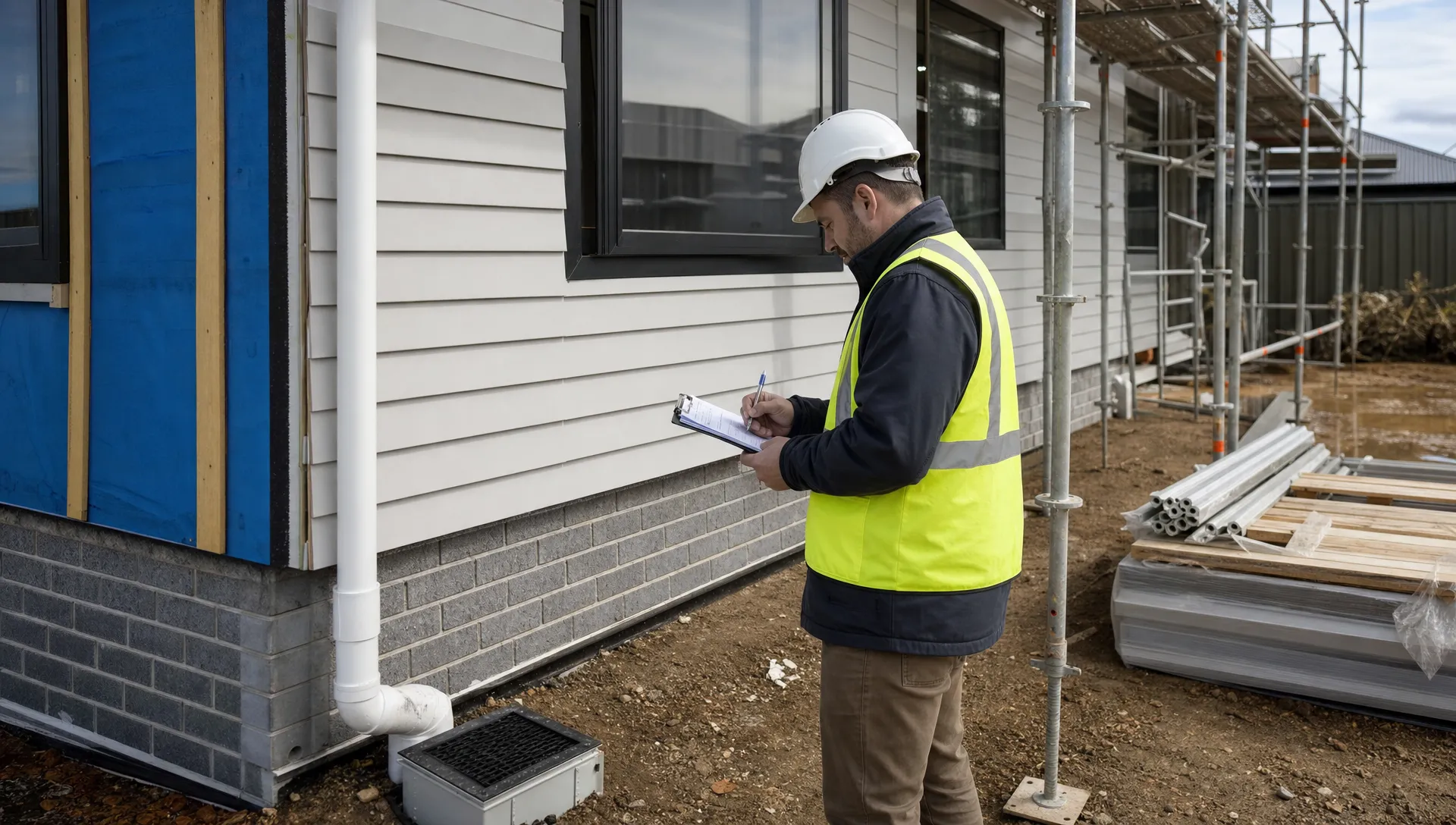
For solicitors, the right time to brief a construction consultant is often before the evidence timetable becomes tight. Technical reports, Scott Schedules and quantum assessments require careful document review and, where appropriate, site inspection. Leaving this until shortly before a hearing can limit the quality and usefulness of the evidence.
A consultant can assist solicitors by identifying the technical issues that genuinely matter, separating building questions from legal questions, and helping structure expert evidence. In matters with many alleged defects, a Scott Schedule can become central because it sets out each item, the competing positions and the expert’s opinion in an organised form.
There are also times when a solicitor should be briefed urgently alongside or before a consultant. These include termination threats, formal notices, limitation concerns, security of payment issues, insurance implications and hearing deadlines. Awesim’s guide on when to brief a construction dispute solicitor explains those legal warning signs in more detail.
Hire before preparing a Scott Schedule or expert report
A Scott Schedule is often used where there are multiple disputed items, such as a long list of alleged defects, incomplete works or variation claims. It can be a powerful tool, but only if the information in it is properly organised and supported.
If a Scott Schedule is prepared too late, the parties may end up rushing item descriptions, duplicating claims, omitting evidence or confusing defects with rectification preferences. A construction consultant can help clarify each item, inspect relevant work, review documents and provide technical opinion in a format that supports the dispute process.
The same applies to expert witness reports. A report prepared for proceedings should be independent, reasoned and based on adequate material. The consultant’s role is not to act as an advocate for the party who engaged them. In an expert evidence context, the opinion must assist the tribunal or court with technical matters within the expert’s area of knowledge.
This independence is one reason Glen Sim’s role as owner and director of Awesim Building Consultants is important. Awesim’s work is focused on independent building dispute support, not simply producing a document that says what one party wants to hear. That approach is particularly important where the report may be tested in NCAT, court or settlement negotiations.
Documents to prepare before engaging a consultant
You do not need a perfect file before asking for help. In fact, a consultant can often tell you what is missing. However, the initial review will usually be more efficient if you gather the key documents first.
Useful documents may include:
- The building contract and any signed variations
- Architectural drawings, engineering plans and specifications
- Progress claims, invoices and payment records
- Emails, text messages and formal notices
- Photographs and videos showing the work over time
- Defect lists, inspection reports and rectification proposals
- Occupation certificate, approvals or certifier correspondence where relevant
- Any NSW Fair Trading, NCAT or court documents already filed
Try to keep records in date order. For photographs, retain the original files where possible because metadata and timing can be useful. Avoid editing images in a way that may later create questions about reliability.
If the dispute is already active, tell the consultant about any upcoming deadlines at the start. A clear deadline helps the consultant advise whether the requested report, inspection or schedule can be completed properly within the available time.
When a construction consultant may not be the first call
There are some situations where another professional should be contacted first. If there is an immediate safety risk, urgent make-safe action may be required. If there are legal notices, termination issues, limitation periods or court orders, a solicitor should be involved. If the issue is purely design preference rather than defective work, an architect or designer may be the appropriate first point of contact.
That said, these roles often overlap in practice. A serious building dispute may involve a solicitor, a construction consultant, engineers, quantity surveyors and other specialists. The key is to identify the main issue early. Is the dispute about law, technical quality, scope, cost, causation, delay, or a combination of these?
A construction consultant is most useful when the dispute turns on building facts. That includes what was built, whether it meets the required standard, what remains incomplete, what rectification may involve and how disputed items should be explained in evidence.
How to choose the right consultant for the stage you are in
The best consultant for an early inspection is not always the same as the best consultant for a formal expert witness report. In NSW disputes, independence, report quality, experience with dispute processes and the ability to communicate clearly are all important.
Avoid choosing solely on speed or price. A rushed report that does not address the real issues can create more problems than it solves. Likewise, a report filled with broad statements but little reasoning may be difficult for a solicitor, tribunal member or opposing expert to use constructively.
If you are comparing options, consider whether the consultant understands NCAT or court requirements, can prepare structured documents such as Scott Schedules, and is comfortable explaining technical issues in plain English. For more selection criteria, see Awesim’s guide on how to compare construction consultants in Sydney.
Frequently Asked Questions
When should I hire a construction consultant in NSW? You should consider hiring a construction consultant when defects, incomplete work, payment claims, variations or rectification scope are disputed. The best time is usually before work is altered, rectified or covered up, and before NCAT or court deadlines become urgent.
Can a construction consultant help before an NCAT application is filed? Yes. Early technical advice can help you understand whether the issues are strong, what evidence is missing and how defects or disputed items should be organised. It may also support negotiation before the matter escalates.
Is a construction consultant the same as a solicitor? No. A solicitor provides legal advice and manages legal strategy. A construction consultant provides technical building opinion, such as defect assessment, rectification scope, expert reporting or assistance with a Scott Schedule.
Should builders hire a construction consultant too? Yes, where allegations are serious, unclear or disputed. A consultant can help a builder respond objectively, identify valid and invalid items, review site records and prepare technical evidence if the matter proceeds.
What if rectification work has already been completed? A consultant may still be able to assist by reviewing photographs, invoices, correspondence, reports and other records. However, it is generally better to obtain advice before rectification where possible, because direct inspection of the original condition can be important.
Do I need an expert witness report straight away? Not always. Sometimes an initial inspection or preliminary technical review is enough to understand the issues. If the dispute moves toward NCAT, court or formal evidence, a properly prepared expert witness report may become necessary.
Need independent construction dispute support in NSW?
If you are dealing with defects, incomplete work, a payment dispute, a Scott Schedule or an upcoming NCAT or court matter, getting technical advice early can make a significant difference.
Awesim Building Consultants provides independent building dispute support across New South Wales, including expert witness reports, Scott Schedules, quantum meruit reports and defect assessments. Led by Glen Sim, owner and director, Awesim helps homeowners, builders and lawyers clarify the technical issues behind building disputes.
To discuss your matter, visit Awesim Building Consultants and seek advice before the evidence becomes harder to prove.
Related Posts

Water Damage in Homes: How to Track Down the Source
Water damage in a home rarely announces itself at the source. A stain on the ceiling, a musty smell in
Read More »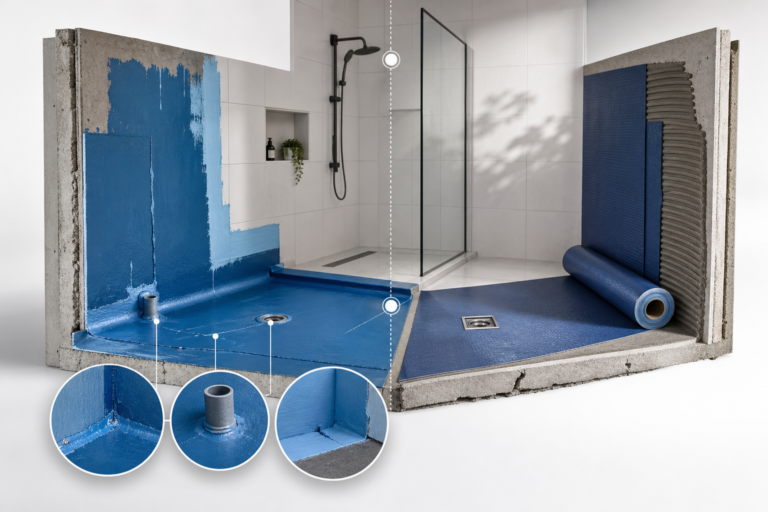
Waterproofing Membrane Types: Which Fails Most in NSW Bathrooms
Waterproofing failure is the single most common serious defect found in NSW apartments, and the type of membrane used, along
Read More »
Building Certifier NSW: Role, Limits, and When You Need More
A building certifier in NSW is a registered professional who issues construction certificates, conducts critical stage inspections, and grants occupation
Read More »