
How to Compare Construction Consultants in Sydney
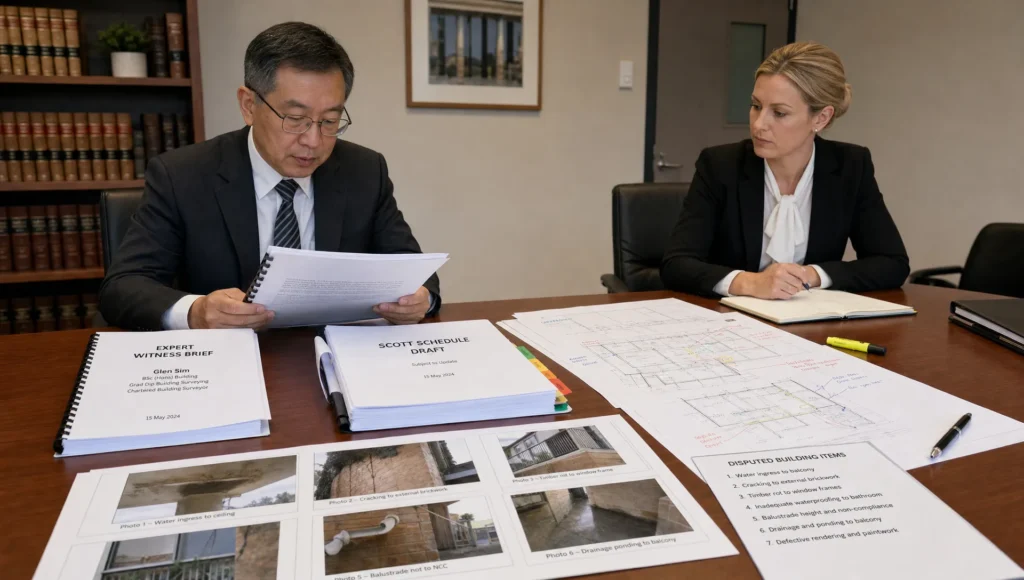
Choosing between construction consultants in Sydney is not just a matter of comparing hourly rates or finding someone who can attend site quickly. The title can describe several different roles: project adviser, defect assessor, cost consultant, expert witness, contract administrator or dispute specialist.
For homeowners, builders and solicitors, the real question is narrower: which consultant can give you reliable, independent and usable advice for the problem in front of you? If the matter involves defects, incomplete works, payment claims, NCAT proceedings or litigation, the wrong consultant can produce a report that is too vague, too biased or too disconnected from the evidence to help.
Glen Sim, owner and director of Awesim Building Consultants, approaches this from a dispute-support perspective. In that setting, a good consultant does more than identify building issues. They help turn a confusing construction problem into clear technical evidence that can be understood by owners, builders, lawyers, tribunals and courts.
Start by comparing the type of consultant you actually need
Before comparing firms, define the outcome you need. A consultant who is excellent at project delivery may not be the right person to prepare an expert witness report. A quantity surveyor may help with costing, but may not be suited to diagnosing water ingress, structural cracking or defective waterproofing.
If you are still clarifying the broader role, this guide on what construction project consultants actually do is a useful starting point. For dispute matters, however, the comparison should focus on evidence, independence and report quality.
| Your situation | Consultant capability to look for | Why it matters |
|---|---|---|
| You have alleged building defects | Building defect assessment experience | The consultant must identify what is defective, why it matters and what may be required to rectify it. |
| You are preparing for NCAT or court | Expert witness report experience | The report needs to be independent, structured and suitable for legal use. |
| There are many disputed items | Scott Schedule experience | A clear item-by-item schedule helps organise allegations, responses, costs and evidence. |
| There is an unpaid work or variation dispute | Quantum meruit report experience | The consultant must understand how to assess reasonable value for work performed. |
| You need help managing a live project | Project management or contract administration experience | This is a different role from preparing independent dispute evidence. |
This first step prevents a common mistake: briefing a general construction adviser when the matter really needs a dispute-focused building consultant.
Put independence near the top of your checklist
In a building dispute, independence is not a bonus feature. It is central to whether the consultant’s opinion will be credible.
An independent construction consultant should be able to assess the work without trying to advocate for one side. That does not mean the consultant ignores your concerns. It means their conclusions should be based on documents, site observations, relevant standards and professional judgement.
This is particularly important for expert evidence. In NSW court matters, expert witnesses are guided by duties that emphasise independence and assistance to the court, rather than acting as an advocate for the party who engaged them. The NSW expert witness code of conduct is a useful reference point for understanding that obligation.
When comparing construction consultants in Sydney, ask whether the consultant has any connection to the builder, owner, subcontractors, certifier, designer or insurer involved in the matter. Also consider whether they are willing to state limitations in their report. A consultant who overstates certainty can create problems later.
For a deeper explanation of this issue, Awesim has also covered why an independent construction consultant matters in NSW building disputes.
Compare technical experience against your actual building issue
Construction disputes are rarely generic. A consultant may be experienced in residential renovations but less familiar with multi-unit strata defects. Another may know commercial fit-outs well but have limited experience with Class 1 residential waterproofing issues.
Sydney building disputes often involve a mix of older housing stock, tight urban sites, additions and alterations, waterproofing failures, drainage problems, cracking, retaining walls, defective finishes and disagreement about whether work complies with contract documents or applicable standards.
Look for experience that matches the dispute. Relevant technical knowledge may include the National Construction Code, Australian Standards, manufacturer installation requirements, plans, specifications, engineering documents and the practical sequence of building work.
A strong consultant should be able to answer three questions clearly:
- What is the alleged defect or disputed work item?
- What evidence supports or weakens that allegation?
- What is the likely rectification pathway or valuation issue?
The best comparison is not who has the longest list of services. It is who can apply the right technical reasoning to your specific facts.
Check whether the consultant understands NCAT and litigation requirements
Many Sydney construction disputes are heard in the NSW Civil and Administrative Tribunal. NCAT deals with a wide range of home building matters, and its home building dispute information shows how formal these matters can become.
A report used in a dispute is not the same as a routine inspection note. It may need to address pleadings, claims, replies, contract documents, photographs, invoices, variations, site history and competing expert opinions.
For solicitors, this is often the key difference. A useful consultant does not just provide observations. They help clarify the technical issues in a format that can support advice, negotiation, mediation, expert conclaves, hearings or court proceedings.
If the matter may require expert evidence, compare whether the consultant has experience preparing expert witness reports and responding to questions from legal representatives. Awesim explains this role further in its article on how an expert witness helps in construction disputes.
Assess report quality, not just inspection availability
Fast attendance can be helpful, especially when work is exposed, water damage is continuing or deadlines are approaching. But speed alone is not enough. The value of a construction consultant is usually found in the quality of the written output.
A strong report should be organised, specific and evidence-based. It should distinguish between observed facts, assumptions, opinion and recommendations. It should not rely on broad statements such as poor workmanship without explaining what is wrong, what requirement applies and why the issue matters.
| Report feature | What to look for | Why it helps |
|---|---|---|
| Clear scope | The report states what was inspected and what documents were reviewed. | This avoids confusion about what the opinion does and does not cover. |
| Itemised findings | Each defect or disputed item is addressed separately. | This makes the report easier to use in negotiations, Scott Schedules and hearings. |
| Photographic evidence | Images are labelled and connected to specific findings. | This helps non-technical readers understand the issue. |
| Standards and references | Relevant contractual, code or standard requirements are identified where applicable. | This gives the opinion a technical foundation. |
| Causation and consequence | The report explains why the problem occurred and what impact it has, where evidence allows. | This helps separate symptoms from underlying causes. |
| Rectification comments | The report explains likely rectification considerations where appropriate. | This assists with cost assessment and dispute resolution. |
A report does not need to be filled with jargon to be authoritative. In many cases, the best expert evidence is clear enough for a homeowner to understand, technical enough for a builder to test and structured enough for a solicitor to use.
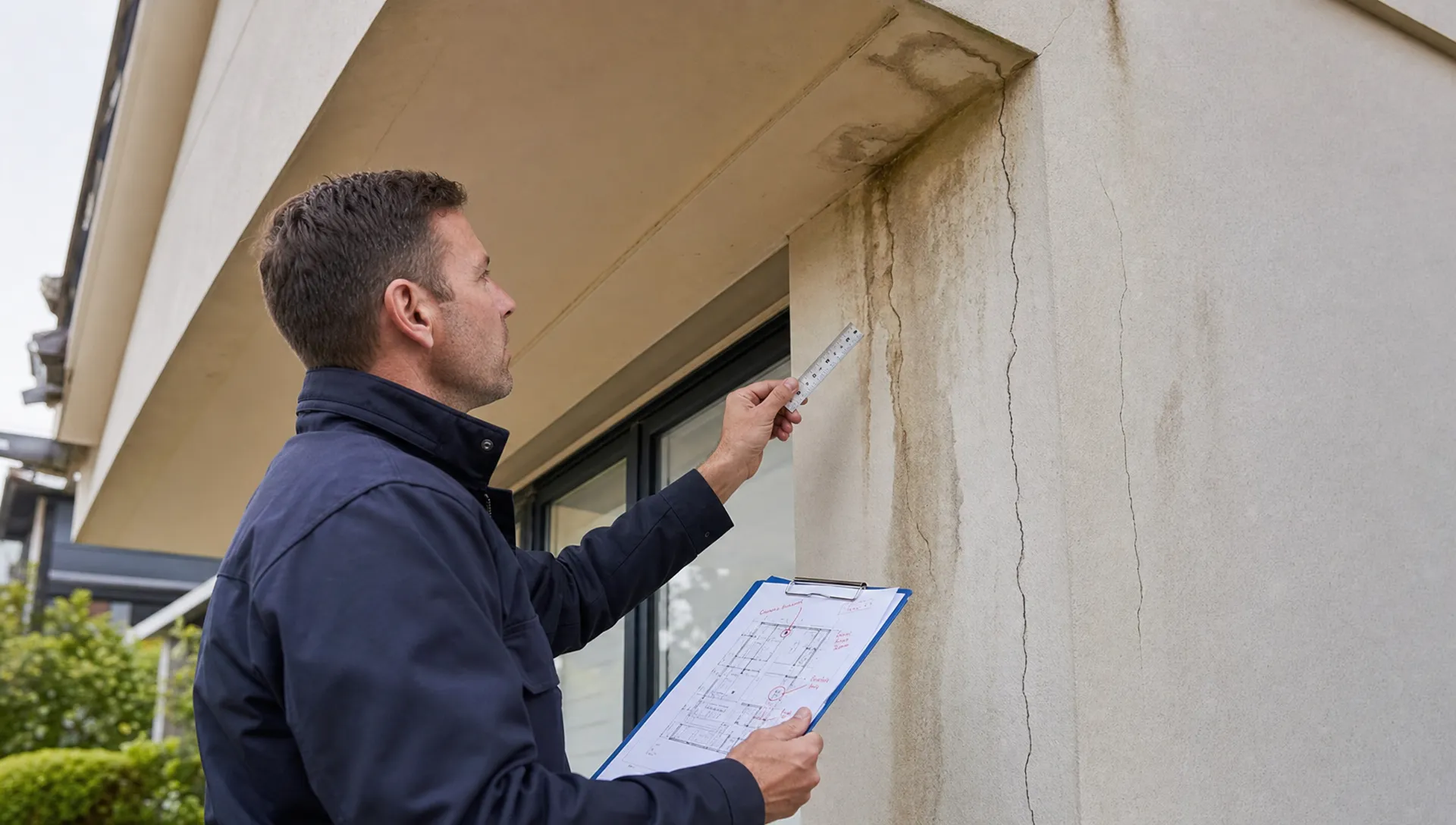
Look closely at Scott Schedule and quantum meruit experience
Some disputes need more than a narrative report. If there are many alleged defects, incomplete works or competing cost claims, a Scott Schedule can become the central working document. It allows each item to be set out with the claimant’s position, respondent’s position, expert comments and sometimes rectification costs.
When comparing consultants, ask whether they can prepare or assist with Scott Schedules in a way that is practical for the matter. A weak schedule can become repetitive, inconsistent or too general to help. A strong one can narrow the issues and make the dispute easier to manage.
Quantum meruit reports require a different lens. These reports generally concern the reasonable value of work performed, often where contract payment mechanisms, variations or termination issues are in dispute. The consultant needs to understand the work claimed, the evidence of performance and the reasonableness of the amount claimed.
For homeowners, this can help test whether a claim is properly supported. For builders, it can help present the value of work in a more structured way. For lawyers, it can assist in converting construction facts into evidence that aligns with the legal issues.
Compare scope and fees carefully
Price matters, but the lowest quote is not always the best value. A cheaper engagement may exclude document review, photographs, detailed reporting, Scott Schedule preparation, supplementary comments or conference time with lawyers.
Ask each consultant to explain what is included. At minimum, consider whether the fee covers site attendance, review of contracts and drawings, review of correspondence, preparation of a written report, revisions for factual corrections, and attendance at conferences or hearings if required.
It is also worth asking what is not included. Disputes can evolve. A report may lead to further questions, a joint expert process, a request for clarification or a need to respond to another expert. A clear scope helps avoid surprises.
Do not compare quotes as if all reports are equal. A short report that cannot be used in NCAT or court may cost less upfront but more later if it needs to be replaced.
Consider communication style and audience fit
The right consultant must communicate with the people involved in the dispute. For homeowners, this often means explaining technical issues without overwhelming them. For builders, it means being fair, precise and commercially realistic. For solicitors, it means providing opinions that are responsive to instructions and suitable for use in a legal process.
Good communication does not mean telling you what you want to hear. In fact, one sign of a reliable consultant is a willingness to identify weaknesses in a claim. If a defect allegation is not supported, or if further investigation is needed before a firm opinion can be given, that should be said clearly.
Glen Sim’s role as owner and director of Awesim Building Consultants is important here. Awesim’s work is focused on independent building dispute support across New South Wales, including expert witness reports, Scott Schedules, quantum meruit reports and NCAT dispute reports. That focus means the communication is shaped around evidence, not just inspection findings.
Watch for red flags when comparing consultants
Some warning signs are obvious. Others only become clear after you read the consultant’s proposal or speak with them about your matter.
Be cautious if a consultant:
- Guarantees an outcome before reviewing the evidence.
- Appears to act as an advocate rather than an independent expert.
- Cannot explain how their report will be structured.
- Has little experience with NCAT or litigation support.
- Gives broad opinions without referring to documents, standards or site evidence.
- Avoids discussing limitations, assumptions or conflicts of interest.
- Provides a quote that is vague about inclusions and exclusions.
A good consultant should be confident, but not careless. Authority in a dispute comes from disciplined reasoning, not from aggressive language.
Questions to ask before you brief a Sydney construction consultant
A short initial conversation can reveal a lot. Use it to test fit, not just availability.
| Question | What a good answer should clarify |
|---|---|
| Have you handled matters like this before? | The consultant should relate their experience to the type of building, defect, claim or forum involved. |
| Can your report be used for NCAT or court? | They should explain whether they prepare expert witness reports and what that involves. |
| What documents do you need? | They should ask for contracts, plans, variations, correspondence, photographs, invoices and prior reports where relevant. |
| How do you deal with disputed facts? | They should distinguish between what can be observed, what is assumed and what needs further evidence. |
| Can you assist with a Scott Schedule? | They should explain whether itemised dispute documents are within their scope. |
| What are the limitations of your inspection? | They should be willing to explain access limits, concealed work and assumptions. |
| What is included in your fee? | The scope should be clear before you engage them. |
These questions are especially useful when several consultants appear similar online. The difference often emerges in how they think through the dispute.
Match the consultant to the stage of the dispute
The best consultant for an early-stage concern may not be the same as the best consultant for a hearing-ready matter. Think about where you are in the process.
If the issue has just emerged, you may need a preliminary defect assessment to understand whether there is a real problem. If negotiations have started, you may need a more structured report that helps narrow the issues. If proceedings are underway, you may need expert witness evidence, Scott Schedule input or a report that responds to another expert.
Timing also matters. Briefing a consultant too late can limit their ability to inspect exposed work, review documents properly or help shape the technical issues. For solicitors, early expert input can assist with pleadings, evidence strategy and settlement advice. For builders and homeowners, it can help avoid spending time and money arguing about issues that are not technically sound.
How Awesim fits into the comparison
Awesim Building Consultants is best compared against consultants who provide independent building dispute support, not general project management only. Its core work includes expert witness reports, Scott Schedules, quantum meruit reports, litigation support, NCAT dispute reports and building defect assessments across NSW.
That focus matters when the end use is a legal or tribunal process. The consultant’s task is not just to inspect a property. It is to help clarify disputed building issues in a way that is independent, organised and capable of being relied upon.
For homeowners, that can mean understanding whether defects are supported by evidence. For builders, it can mean responding properly to allegations or payment disputes. For lawyers, it can mean obtaining technical evidence that is clear enough to support advice and robust enough to be tested.
Frequently Asked Questions
What is the most important factor when comparing construction consultants in Sydney? The most important factor is fit for purpose. If your matter involves defects, NCAT, court proceedings or payment disputes, prioritise independence, dispute experience and report quality over general construction experience alone.
Do I need a construction consultant or a solicitor first? It depends on the stage of the dispute. If legal rights, notices, termination or proceedings are involved, you may need legal advice early. If the main issue is technical, a building consultant can help identify and explain the construction evidence. Many matters benefit from both working together.
Can a construction consultant help with NCAT building disputes? Yes, provided they have relevant dispute experience. A consultant may assist with defect assessments, expert witness reports, Scott Schedules, quantum meruit reports and technical evidence for NCAT matters.
Should I choose the cheapest consultant? Not necessarily. A low-cost report may be poor value if it lacks detail, independence or suitability for the dispute process. Compare the scope, report structure, experience and inclusions before deciding.
What documents should I provide to a building consultant? Useful documents often include the building contract, plans, specifications, variations, invoices, correspondence, photographs, inspection records, certificates and any previous expert reports. The exact documents will depend on the dispute.
Need independent construction dispute support in Sydney?
If you are comparing construction consultants in Sydney for a building dispute, defect claim, payment issue, NCAT matter or litigation support, Awesim Building Consultants can help you understand what evidence is needed and how it should be presented.
Led by Glen Sim, owner and director, Awesim provides independent building dispute support across New South Wales, including expert witness reports, Scott Schedules, quantum meruit reports and defect assessments.
To discuss whether Awesim is the right fit for your matter, contact Awesim Building Consultants.
Related Posts

Water Damage in Homes: How to Track Down the Source
Water damage in a home rarely announces itself at the source. A stain on the ceiling, a musty smell in
Read More »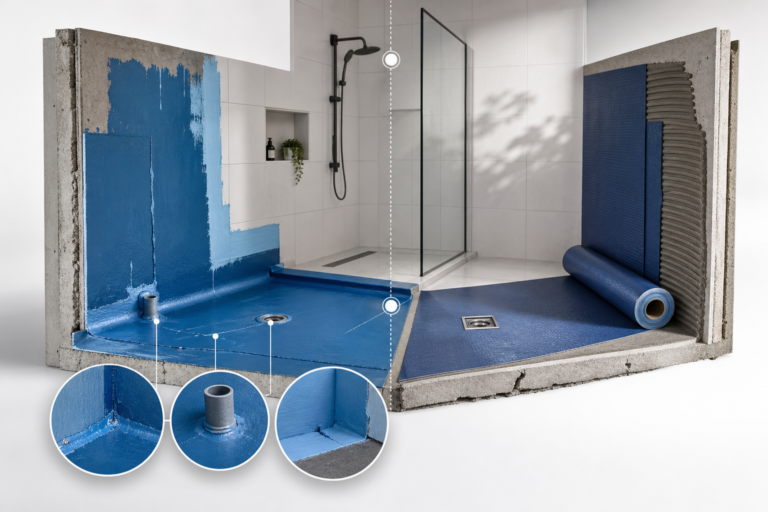
Waterproofing Membrane Types: Which Fails Most in NSW Bathrooms
Waterproofing failure is the single most common serious defect found in NSW apartments, and the type of membrane used, along
Read More »
Building Certifier NSW: Role, Limits, and When You Need More
A building certifier in NSW is a registered professional who issues construction certificates, conducts critical stage inspections, and grants occupation
Read More »