
When to Hire an Independent Building Consultant in Sydney
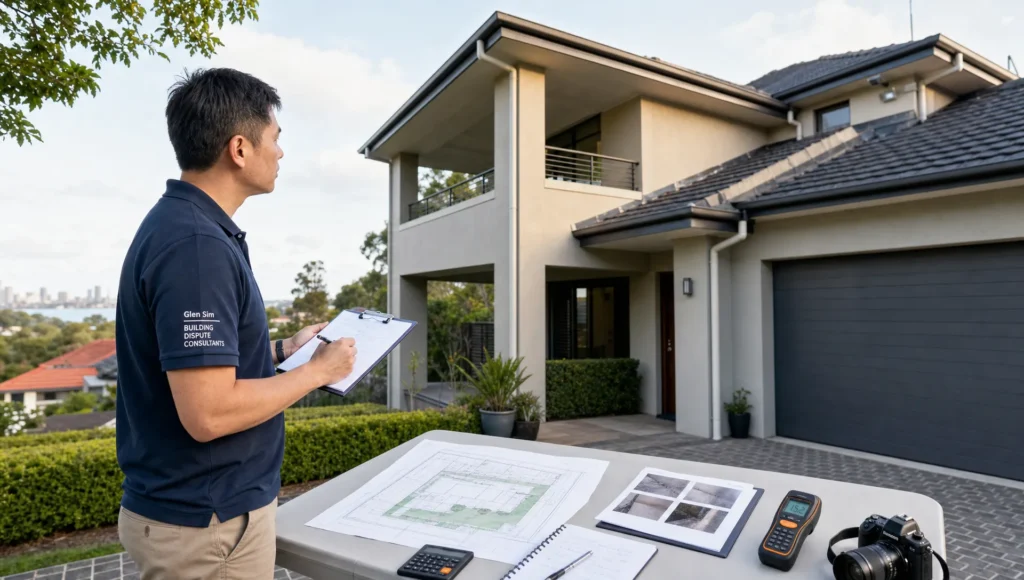
The best time to hire an independent building consultant in Sydney is usually before a disagreement becomes a formal dispute. By the time a matter reaches NCAT, mediation, or court, both sides may already be locked into positions, documents may be incomplete, and defects may have changed due to use, weather, or attempted rectification.
For homeowners, builders, and solicitors, the value of independence is simple: you need clear technical evidence from someone who is not there to protect a commercial relationship, justify previous work, or advocate without foundation. You need an objective assessment of what has happened, what it may cost to fix, and how the evidence should be presented.
At Awesim Building Consultants, Glen Sim, owner and director of Awesim, works with parties across New South Wales on building dispute support, including expert witness reports, Scott Schedules, quantum meruit reports, building defect assessments, and litigation support. If you are unsure whether your matter needs formal expert input yet, the signs below can help you decide.
Why timing matters in Sydney building disputes
Sydney construction disputes often start small. A homeowner notices water staining near a balcony. A builder is asked to return for work they believe is outside the contracted scope. A solicitor receives a file where the parties disagree about almost every alleged defect and every dollar claimed.
These matters can escalate quickly because building disputes usually combine three things: technical complexity, financial pressure, and emotion. A defect is rarely just a defect. It may raise questions about workmanship, compliance with the Building Code of Australia, Australian Standards, contractual obligations, variations, access, delay, incomplete work, and the reasonable cost of rectification.
Early advice from an independent building consultant can help separate genuine defects from maintenance issues, incomplete works from variations, and opinion from evidence. That distinction is important in NSW because building disputes may be handled through negotiation, NSW Fair Trading processes, NCAT, or court proceedings depending on the nature and value of the claim.
The NSW Civil and Administrative Tribunal deals with many home building disputes, including defective or incomplete residential building work. If your matter is likely to move toward NCAT, the quality and structure of your technical evidence can make a significant difference to how clearly your position is understood.
Hire an independent building consultant when defects are disputed
One of the clearest signs you need expert help is when the parties disagree about whether something is actually defective.
A homeowner may say the work is defective because it looks wrong, leaks, cracks, slopes, or does not match expectations. A builder may respond that the work is within tolerance, caused by another trade, due to design limitations, or the result of poor maintenance. A lawyer may need to understand which parts of the complaint can be supported by technical evidence and which parts are unlikely to carry weight.
An independent consultant can inspect the work, review relevant documents, and provide an opinion on issues such as:
- Whether the alleged defect is observable and measurable
- Whether the work appears incomplete, defective, damaged, or non-compliant
- Whether further investigation is required
- Whether the likely cause can be identified
- Whether rectification is reasonably required
- Whether the proposed scope of rectification is proportionate
This is especially important where the dispute involves water ingress, waterproofing, structural movement, façade issues, defective finishes, drainage, roofing, tiling, or incomplete works. These issues can worsen over time, so documenting their condition early is often critical.
For a deeper explanation of the inspection process, Awesim has also outlined how a building construction consultant assesses defects in NSW dispute matters.
Hire one before you lodge or respond to an NCAT claim
If you are preparing for NCAT, do not wait until the hearing is close before seeking technical advice. A consultant may need time to inspect the site, review contracts, drawings, photographs, invoices, correspondence, prior reports, and rectification quotes.
In many building disputes, a well-prepared report does more than list defects. It helps organise the technical issues so that the parties, lawyers, and tribunal can understand what is being claimed and why.
Depending on the matter, an independent building consultant may assist with an expert witness report, a Scott Schedule, or a defect assessment that supports negotiations before the dispute escalates further. A Scott Schedule is particularly useful where there are multiple alleged defects or competing cost claims, because it allows each item to be addressed in a structured way.
Awesim explains this in more detail in its NCAT independent building inspections guide for NSW, including how inspection evidence can support building dispute matters.
Hire one when the cost of rectification is unclear
Many disputes are not only about whether work is defective. They are about how much it should reasonably cost to fix.
A homeowner may receive a rectification quote that seems high. A builder may argue the quote includes upgrades, unrelated works, or excessive allowances. A solicitor may need to test whether the claimed amount is properly supported.
This is where independent assessment becomes valuable. The consultant can consider the nature of the defect, the likely scope of required rectification, and whether the proposed remedy aligns with the actual issue. In more complex matters, quantity, pricing, and construction methodology may need to be examined closely.
For builders, this can be just as important as it is for homeowners. A builder facing a large defect claim may need independent technical input to identify which items are accepted, which are disputed, and which require further investigation. Without that structure, negotiations can become broad, emotional, and expensive.
Hire one when payment, variations, or quantum meruit issues arise
Not every building dispute is defect-driven. Some disputes centre on payment, variations, unpaid work, or claims for reasonable remuneration where the contractual position is unclear. These issues can require technical construction knowledge as well as careful analysis of documents.
A quantum meruit report may be relevant where a party seeks payment for work performed outside a clear contractual price mechanism, or where the value of work needs to be assessed on a reasonable basis. This can arise in disputes involving variations, incomplete contracts, terminated contracts, or disagreement about the value of completed work.
In these matters, an independent building consultant may review site records, photographs, invoices, correspondence, plans, and the physical work completed. The goal is not to create a legal argument, but to provide technical and factual assistance that helps lawyers, decision-makers, and parties understand the construction aspects of the claim.
Hire one before rectification work changes the evidence
A common mistake is waiting until after repairs have started. Sometimes rectification is urgent, especially where there is active water ingress, safety risk, or ongoing deterioration. But if the original condition is not properly documented before work begins, important evidence may be lost.
Before rectification, an independent building consultant can record the condition of the work, photograph relevant details, identify visible defects, and explain what should be preserved. This can be crucial if a party later needs to prove the extent of damage, the cause of the issue, or the reasonableness of the rectification scope.
If urgent work is necessary, seek advice as early as possible. Even a preliminary inspection or document review may help protect the evidentiary position before the site changes.
When homeowners should seek independent advice
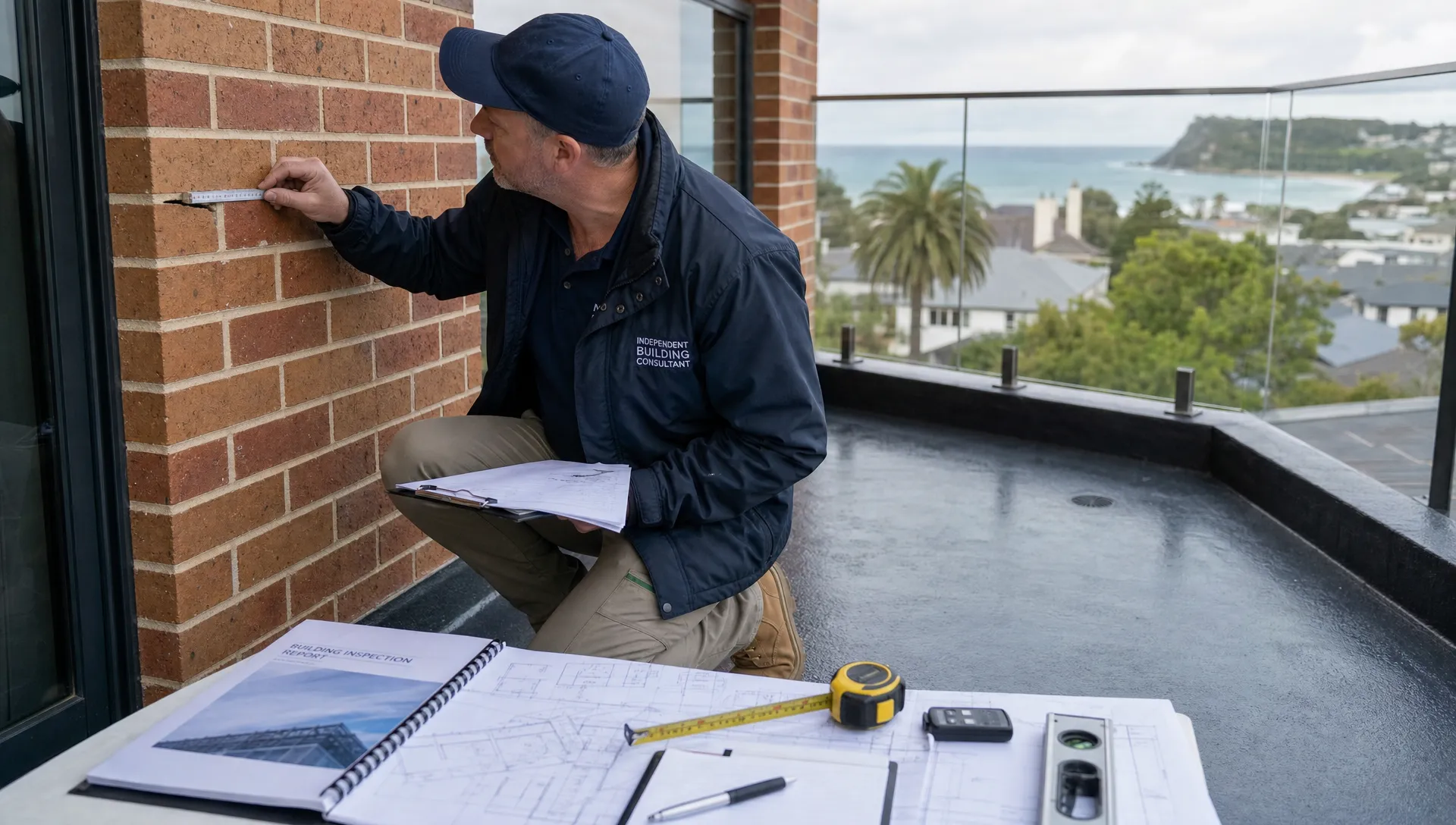
Homeowners often call a consultant after months of frustration, but earlier involvement can save time and reduce uncertainty. You should consider engaging an independent building consultant if you notice recurring defects, receive conflicting explanations, or feel unsure whether a builder’s proposed fix is adequate.
Common triggers include cracking, leaks, poor drainage, uneven floors, defective tiling, incomplete work, poor finishes, mould linked to building issues, or repeated failed repairs. You may also need advice if your builder says the issue is normal movement, maintenance, or outside their responsibility, but you remain concerned.
The consultant’s role is not to inflame the dispute. A properly prepared independent assessment can help clarify whether there is a legitimate issue and what evidence supports it. Sometimes that helps a homeowner pursue a claim. In other cases, it helps narrow unrealistic expectations before costs escalate.
When builders should seek independent advice
Builders sometimes assume independent consultants are only engaged by owners. In reality, builders may benefit from independent technical input when they are facing defect allegations, payment disputes, scope disagreements, or legal proceedings.
An independent report can help a builder understand which items may require rectification, which allegations appear unsupported, and which complaints may relate to design, product selection, maintenance, another contractor, or owner-supplied materials. That clarity can support a practical settlement or a more focused defence.
Builders should consider engaging a consultant when a defect list is broad, when rectification costs appear inflated, when access to inspect has been difficult, or when a solicitor needs a technical opinion for correspondence, mediation, NCAT, or court.
When lawyers and solicitors should brief a consultant
For lawyers, the key issue is often not whether a consultant is useful, but when to brief one. Early briefing can help shape pleadings, evidence requests, settlement strategy, and the scope of expert evidence.
A solicitor may need an independent building consultant when the case turns on technical causation, compliance, scope of work, reasonable rectification methodology, or competing expert views. In matters with many alleged defects, a consultant can also help organise the issues into a logical schedule so that each item is addressed consistently.
Early technical input can be particularly useful before drafting or responding to a claim, preparing a Scott Schedule, advising on settlement prospects, or deciding whether further destructive investigation is justified.
The following table summarises common timing points for different parties.
| Situation | Why an independent consultant helps | Best time to engage |
|---|---|---|
| Homeowner discovers possible defects | Confirms whether issues are likely defective, incomplete, or maintenance-related | Before formal demands or rectification work |
| Builder receives a defect claim | Separates valid items from disputed or unsupported allegations | Before responding in detail |
| Solicitor prepares NCAT evidence | Provides technical structure for reports, schedules, and claim items | Before filing or early in proceedings |
| Rectification quotes vary widely | Tests whether the proposed scope and cost align with the defect | Before settlement negotiations |
| Work was done without clear pricing | Assists with technical assessment of completed work and reasonable value | Before pursuing or defending payment claims |
| Parties are preparing for hearing | Helps present technical issues clearly and independently | As early as possible, not at the last minute |
What an independent consultant should produce
The right deliverable depends on the dispute. Not every matter needs a full expert witness report immediately. Sometimes a preliminary inspection or defects assessment is enough to guide negotiations. In other cases, especially where proceedings are underway, a formal report may be required.
In Sydney building disputes, common consultant outputs include expert witness reports, Scott Schedules, quantum meruit reports, building defect assessments, and litigation support documents. The report should be clear, evidence-based, and suitable for the intended forum.
A strong report will usually identify the inspected areas, documents reviewed, observations made, relevant technical issues, limitations, and conclusions. Where costs or rectification are addressed, the reasoning should be transparent enough for the parties and their lawyers to understand.
Awesim has also discussed broader building consultant services that help resolve disputes, including how different report types support different stages of a matter.
Red flags that you should not wait any longer
Some situations justify urgent consultant involvement. Delay can make the dispute harder to prove, more expensive to resolve, or more difficult to settle.
Consider seeking independent advice promptly if:
- There is active leaking, structural concern, or progressive deterioration
- The other party has denied responsibility without a technical explanation
- You have received a large defect list or rectification claim
- Repairs are about to begin and evidence has not been recorded
- NCAT directions or hearing dates are approaching
- There are competing reports with very different conclusions
- Payment is being withheld due to alleged defects or incomplete work
These red flags do not always mean the matter will end in litigation. In fact, early independent input may help avoid litigation by making the strengths and weaknesses of each position clearer.
How to choose the right independent building consultant in Sydney
Independence should be more than a marketing claim. You need someone who can inspect carefully, explain technical issues in plain English, and prepare documents that suit the dispute process.
When comparing consultants, look for experience with NSW building disputes, familiarity with NCAT-style evidence, ability to prepare clear reports, and a practical understanding of construction methodology. The consultant should be able to explain what they can assess, what documents they need, and what limitations may apply.
For solicitors, it is also important that the consultant understands the difference between technical opinion and legal argument. For homeowners and builders, it is important that the consultant remains objective, even if that means the findings do not support every concern or defence.
Glen Sim, owner and director of Awesim Building Consultants, leads Awesim’s independent building dispute support across NSW. Awesim’s work focuses on expert witness reports, Scott Schedules, quantum meruit reports, NCAT dispute reports, building defect assessments, and litigation support. That focus matters because dispute evidence must be structured differently from a general maintenance inspection or casual site visit.
The practical answer: hire before positions harden
If you are asking whether it is too early to speak with an independent building consultant, it probably is not. The earlier you understand the technical evidence, the better positioned you are to make sensible decisions.
That does not mean every issue needs to become a formal claim. It means you can identify what is worth pursuing, what needs further evidence, what may be resolved through rectification, and what may require legal advice.
For homeowners, that can prevent months of uncertainty. For builders, it can reduce exposure to broad or unsupported claims. For lawyers, it can turn a messy factual dispute into a clearer technical brief.
Frequently Asked Questions
When should I hire an independent building consultant in Sydney? You should consider hiring one when defects are disputed, rectification costs are unclear, payment is being withheld, NCAT proceedings are possible, or repairs may alter important evidence.
Do I need a consultant before going to NCAT? In many building disputes, yes. A consultant can help assess defects, organise claim items, prepare expert evidence, and support a Scott Schedule before the matter becomes harder to manage.
Can a builder hire an independent building consultant? Yes. Builders often engage consultants to respond to defect allegations, assess rectification claims, review incomplete work disputes, or provide technical support to their solicitor.
Is an independent building consultant the same as a building inspector? Not always. A general inspection may identify issues, while a dispute-focused consultant can provide structured technical evidence for negotiations, NCAT, court, Scott Schedules, or expert reports.
What documents should I prepare before contacting a consultant? Useful documents include the contract, plans, specifications, variations, invoices, photographs, correspondence, defect lists, rectification quotes, prior reports, and any NCAT or court documents.
Speak with Awesim before the dispute escalates
If you are dealing with a Sydney building dispute, early independent advice can help you understand the technical issues before costs, positions, and stress increase.
Awesim Building Consultants provides independent building dispute support across New South Wales, including expert witness reports, Scott Schedules, quantum meruit reports, NCAT dispute reports, building defect assessments, and litigation support. To discuss your matter with Glen Sim and the Awesim team, visit Awesim Building Consultants.
Related Posts
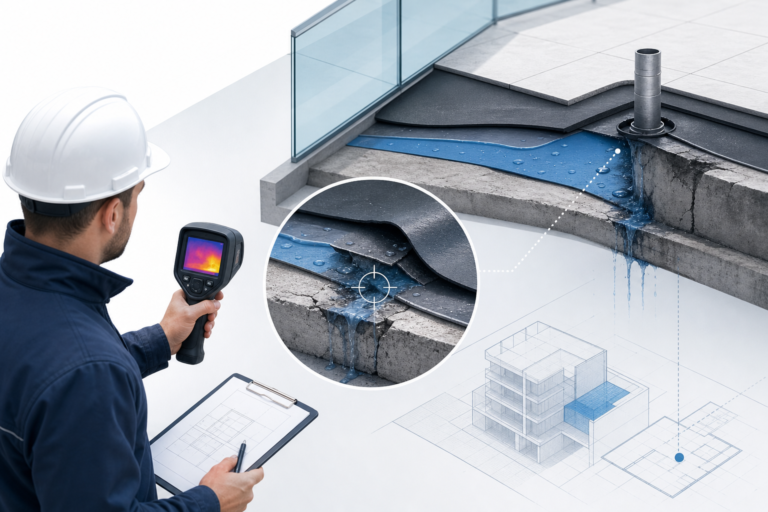
Waterproof Membrane Failure: How Inspectors Find the Cause
Waterproof membrane failure is diagnosed by tracing the water entry point, reviewing design documents, exposing the membrane for visual inspection,
Read More »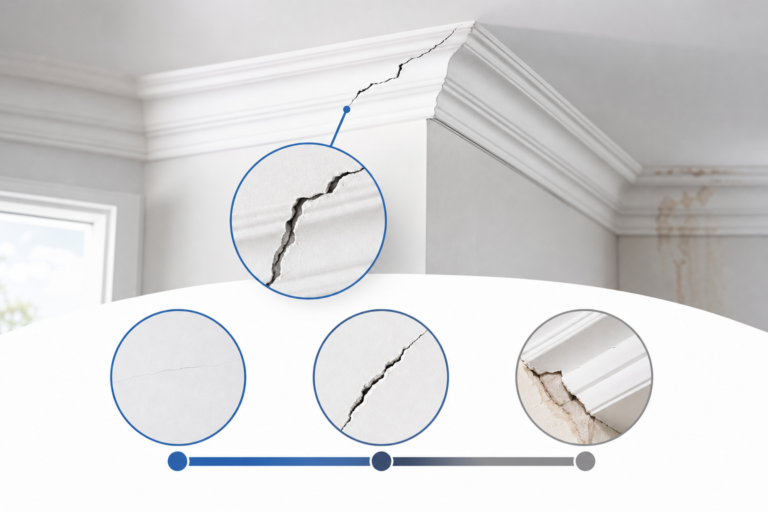
Cornice Cracking: How to Tell If the Damage Is Serious
Cornice cracking is one of the most common concerns Australian homeowners raise, and the hard part is not spotting the
Read More »
Digital Construction Consultant Australia: What They Do
A digital construction consultant in Australia manages the technology-driven side of building projects: BIM coordination, clash detection, asset data handover,
Read More »